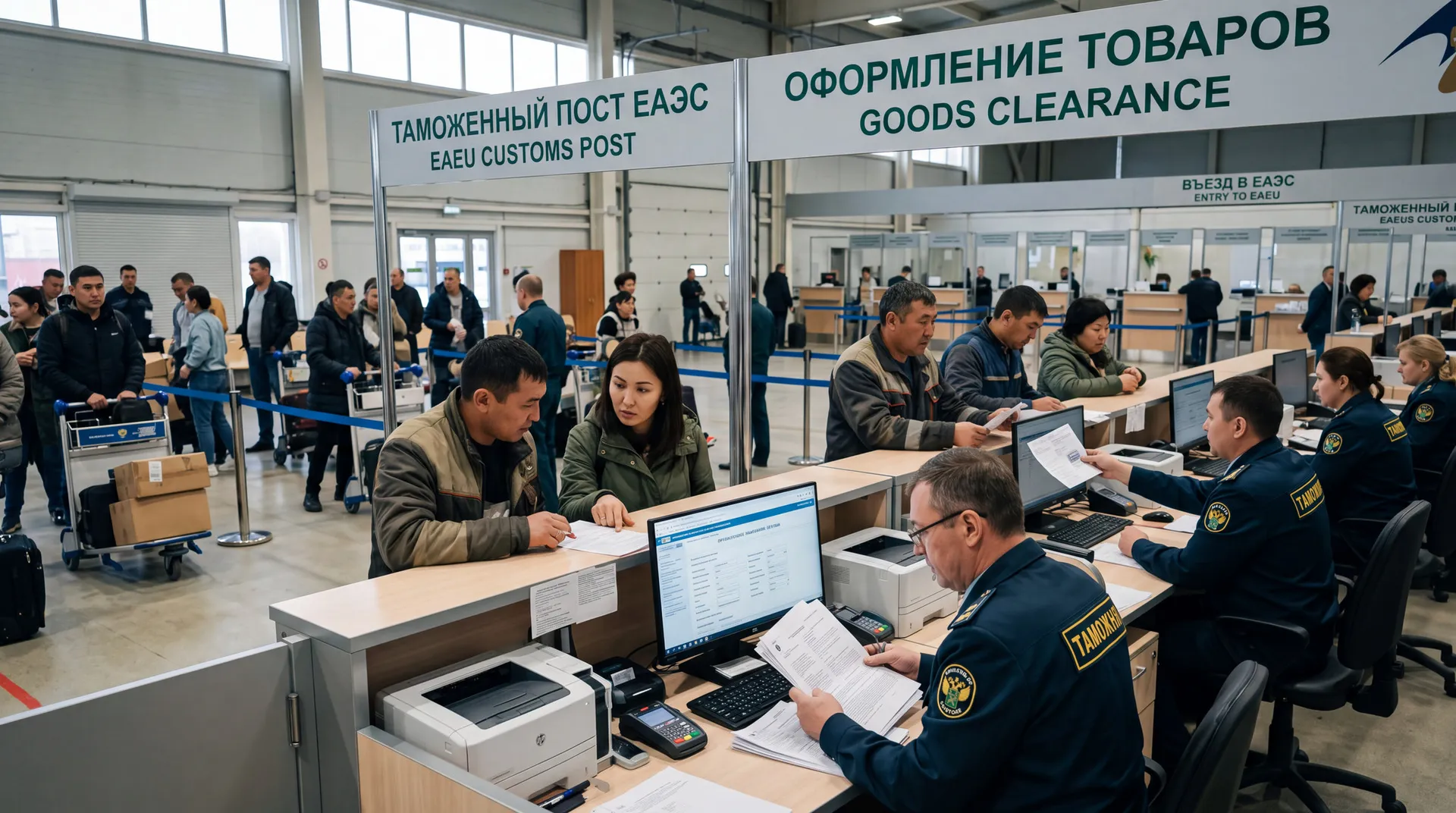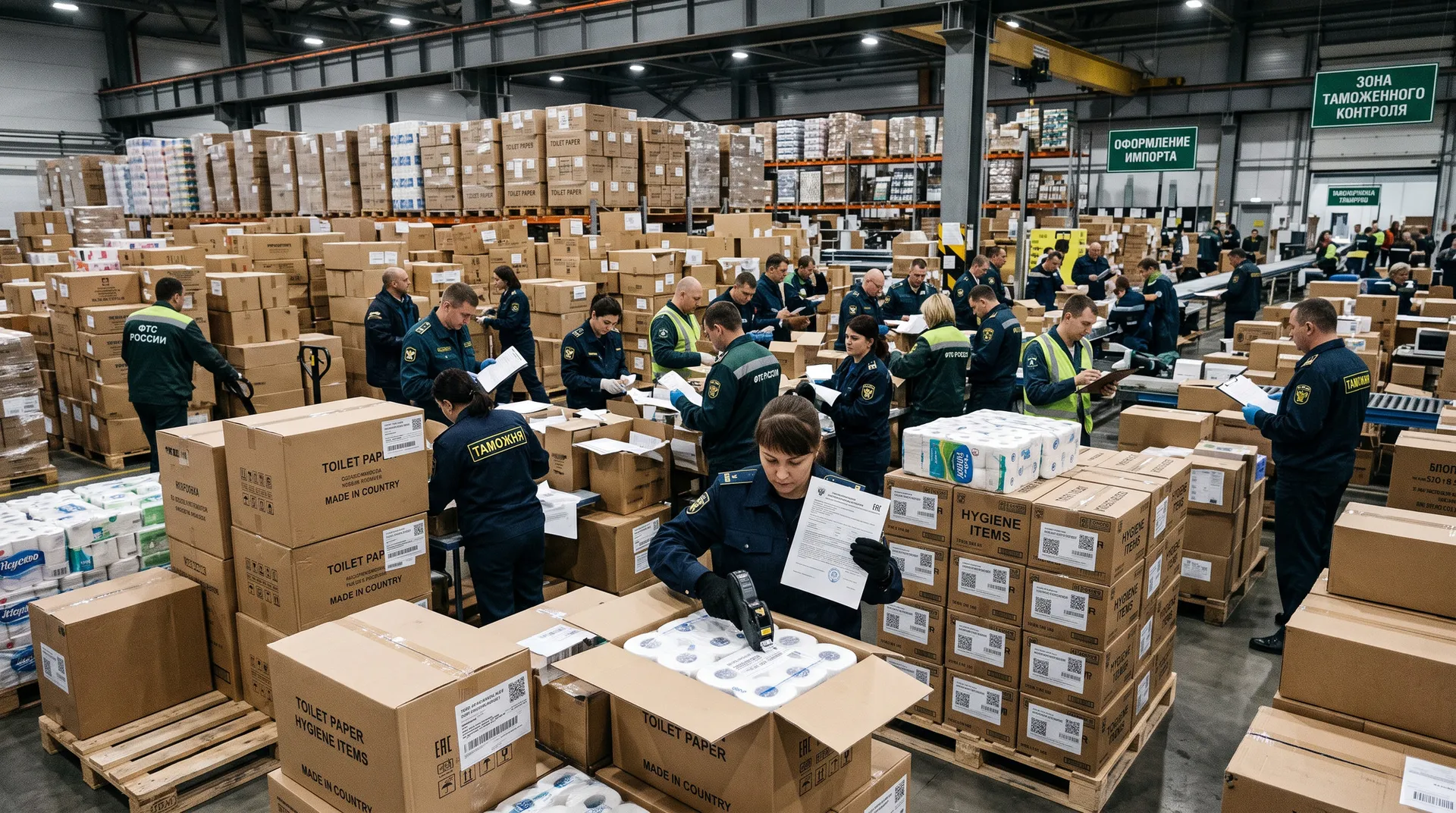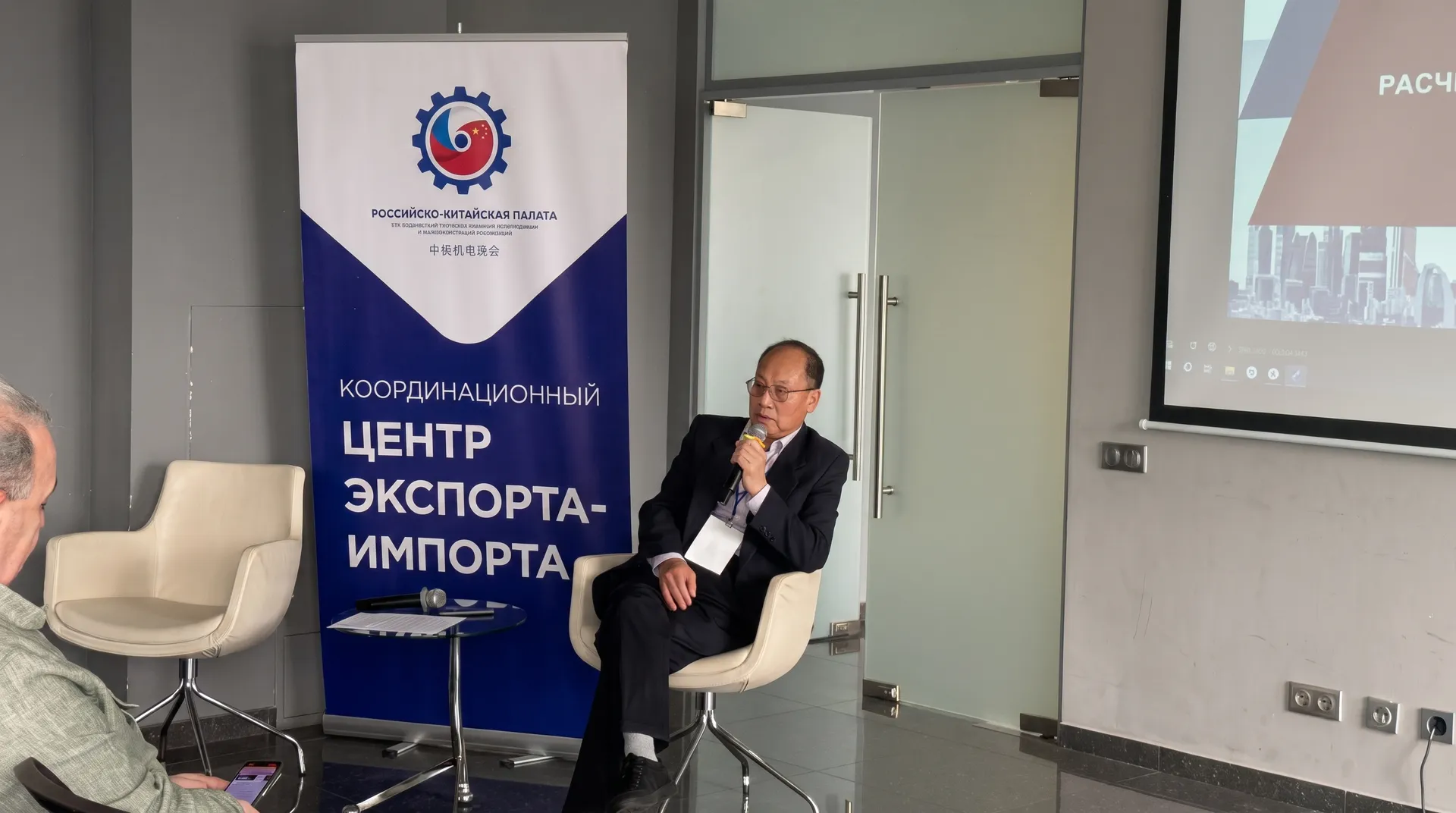
The event brought together practitioners of Russian-Chinese trade: logisticians, lawyers, financiers and cultural scientists. The first day provided entrepreneurs with specific tools, from supplier verification to yuan financing.
How to check a Chinese supplier: six levels
Nikolay Gritsai, founder and CEO of the ALLPort multiservice platform, opened the business session with a practical review of counterparty verification in China. Over 17 years of working with China and implemented projects worth over 100 billion rubles, he has developed a six-level verification system.
- The first level is reputation monitoring on B2B platforms (Alibaba, 1688, DHgate): studying reviews with an emphasis on their geography, dates and the availability of media confirmation. Duplicate profiles under different names are an immediate stop signal.
- The second is checking blacklists through search engines.: The combination of the company's name with the words "scam" or "fraud" gives a primary picture of reliability.
- The third level is the request for legal documents, primarily an export license in accordance with the PRC Law on Foreign Trade. Its absence from the company applying for export supplies is the basis for refusal of cooperation.
- The fourth is verification through Chinese government services. The National Register of Legal Entities of the People's Republic of China allows you to establish the real type of activity: a trading company or a manufacturer. Credit China, the state—owned credit history platform, an analog of the Russian Spark, provides a picture of the counterparty's financial reliability.
- The fifth level is a physical audit: visiting the production site, checking the availability of a warehouse, raw materials and equipment. It is this tool that filters out "paper" suppliers who have a website but no factory.
- The sixth is geolocation verification of the address and ordering samples before signing the contract.
To find suppliers, Gritsai recommends B2B aggregators (Alibaba, Made-in-China, ru.made-in-china.com ) and the Canton Fair in Guangzhou, the largest platform for direct contact with manufacturers, operating twice a year.
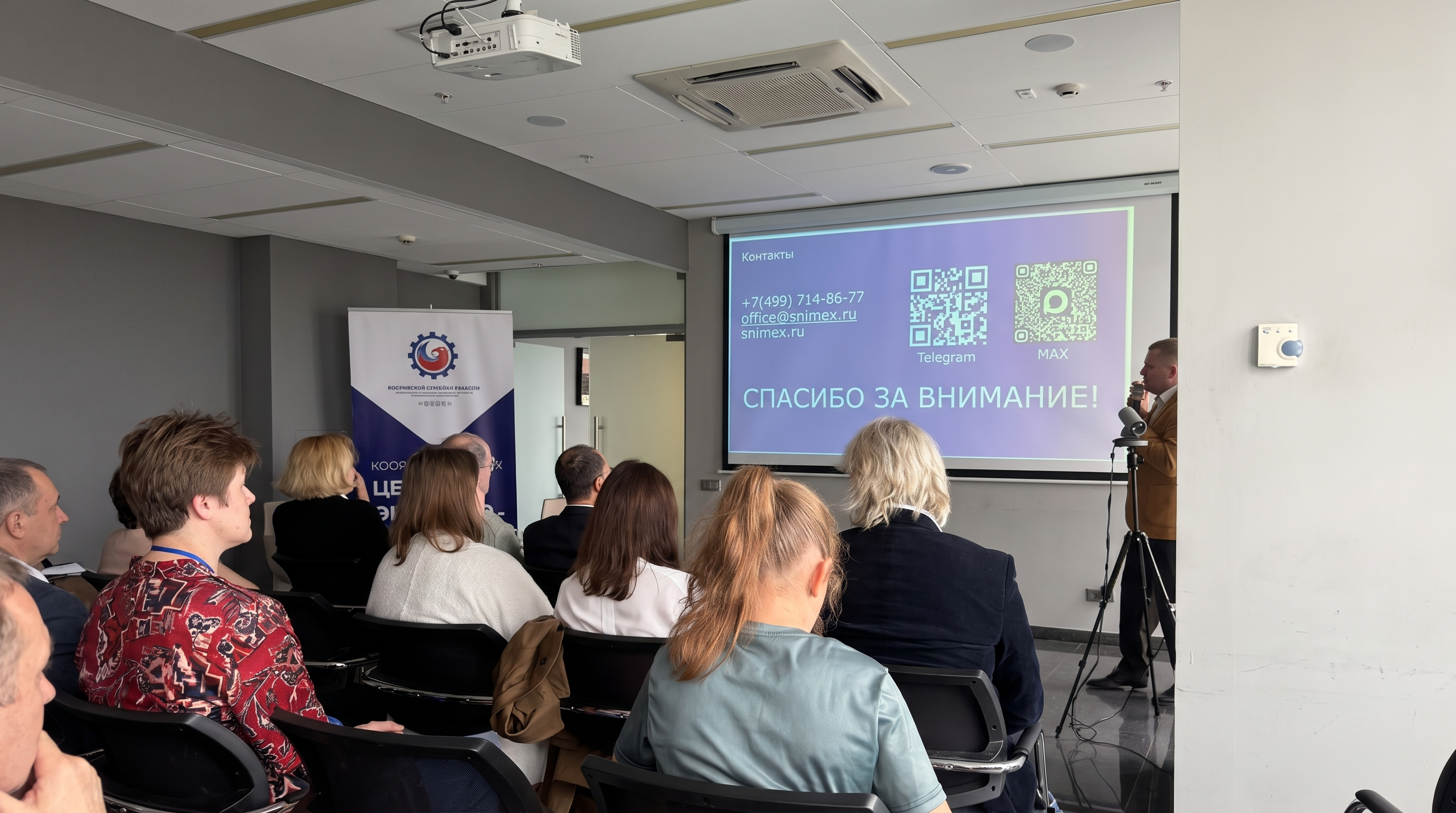
MTK North–South: EDS as the main barrier to digitalization
Natalia Zadonskaya, Executive Secretary of the Business Council for Cooperation with Iran of the Russian Chamber of Commerce and Industry and representative of the Directorate of International Transport Corridors, identified the main systemic barrier in the Iranian direction — the lack of interstate recognition of the electronic digital signature (EDS) between Russia and Iran.
Today, Iran is actively developing cooperation with China through a cross–border infrastructure directly connected to the North-South Trade Route. The eastern direction is considered as a strategic addition to the Iranian route. The Directorate is negotiating with the Iranian side and is ready to launch a test mode of mutual recognition of EDS — the first step towards full-fledged digital integration within the corridor.
Yuan financing: an alternative to a ruble loan
Zhao Qinghua, CEO of East-West Industrial Investments LLC, presented five areas of work in the Russian-Chinese market.
The audience was most interested in trade financing in yuan at a rate of 8-12% per annum, which is significantly lower than ruble lending, taking into account the current key rate and bank margin. The settlement partners are Alfa—Bank and VTB. An additional tool is an installment payment from one to six months: the company pays for the Chinese factory on its own, providing the Russian buyer with a delay without the participation of the bank.
The company also engages in direct settlements between Russian and Chinese counterparties bypassing Western financial infrastructure, trading in commodities (oil, grain, coal, chemical products) and assisting Chinese investors in acquiring Russian assets in the field of natural resources.
The Chinese partner will never say no
Yulia Goryaina, a Sinologist and founder of the international online school Kitai School, a doctoral student at Shandong University, concluded the morning session with a block on the business culture of China.
The main practical conclusion is that the Chinese partners do not use direct rejection. An evasive answer, a pause, or a change of subject is "no." Russian businesses need to learn how to read these signals without mistaking a vague response as an invitation to continue negotiations.
Other key rules include strict adherence to hierarchy at meetings, mandatory duplication of agreements in writing by e—mail, a step-by-step presentation of the project and an attentive approach to choosing gifts. A personal meeting in Chinese business culture is always a priority over correspondence.
The conference continues on July 17th. Deliver-2.com monitors the event.