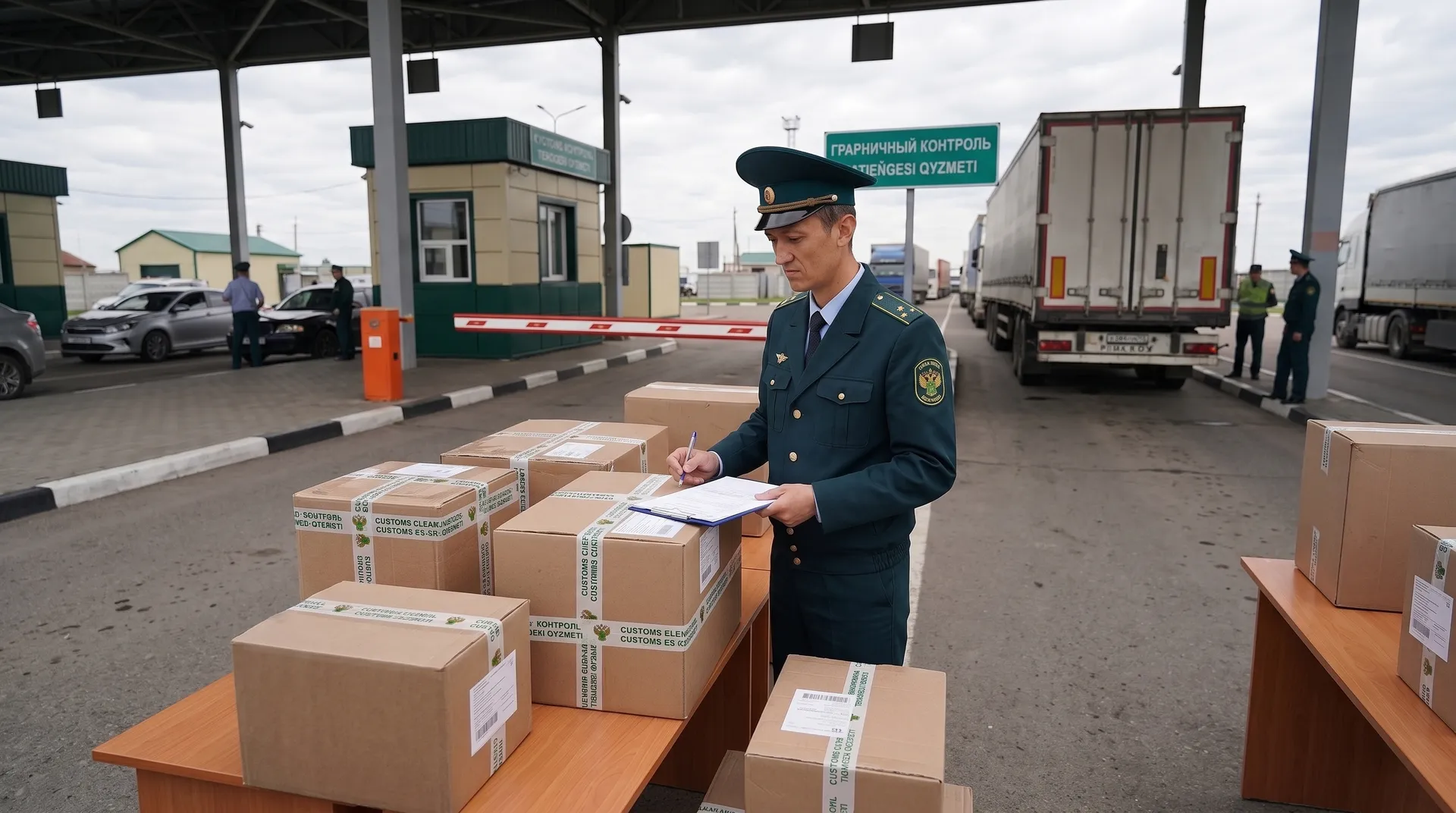
The Federal Customs Service is strengthening control over counterfeit products that enter Russia through international shipments and parallel imports. Customs authorities are expanding inspections of goods with signs of intellectual property infringement and are more actively using digital control tools at the stage of cargo clearance.
The growth of cross-border trade and changes in logistics routes have dramatically increased the burden on the provenance verification system. More products from new jurisdictions are entering the market at the same time, and supply chains are becoming longer and more difficult to verify. Against this background, control over trademarks and rights of copyright holders is becoming one of the key elements of customs administration for the FCS.
The bulk of the violations are still related to clothing, footwear, electronics, auto parts, and consumer goods. Counterfeit goods are increasingly disguised as parallel imports or go through complex re-export schemes, where the origin of products changes several times before crossing the Russian border.
The Federal Customs Service is strengthening its work with the Customs Register of Intellectual Property Objects. The system allows you to automatically identify products with signs of violation of the rights of brands and stop the release of the batch before checking the documents. For importers, this means an increase in the requirements for confirming the origin of goods, the contractual framework and the legality of delivery.
At the same time, customs is actively interacting with copyright holders. Companies are able to respond more quickly to suspicious shipments and confirm the presence or absence of violations of specific trademarks. Such a mechanism has already become part of daily practice when checking large shipments.
The situation is getting tougher for businesses. Previously, some companies perceived parallel imports as a simplified supply chain without deep control of the origin of the goods. Now customs is gradually building a more detailed verification system, where attention is paid not only to documents, but also to the entire product chain.
Digitalization of control creates additional pressure. The FCS analytical systems compare data on shipments, routes, cost of goods, and participants in the transaction. Shipments with abnormally low prices, non-standard logistics, or inconsistencies between the product and the claimed documents are increasingly under suspicion.
The Russian market is gradually entering a new regulatory phase, where the fight against counterfeiting is becoming part of the overall import control, labeling, and e-commerce system. Importers have to check suppliers, documents and the origin of products more deeply before sending the goods to Russia.