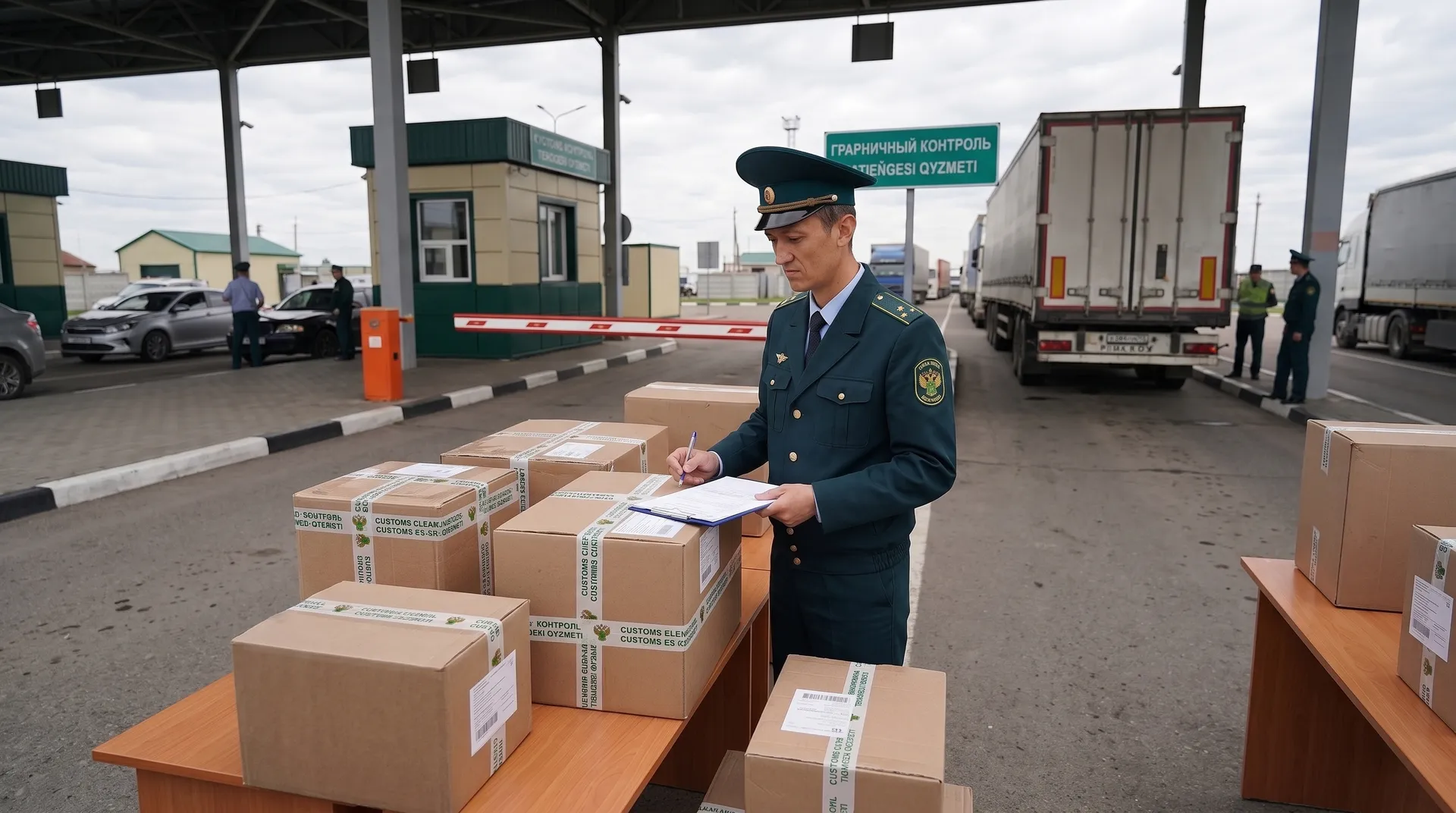
The volume of parallel imports to Russia in the first half of 2026 reached approximately $10.6 billion. This was announced by Roman Chekushov, State Secretary and Deputy Head of the Ministry of Industry and Trade.
The dynamics within the first half of the year shows the stability of the channel. In January—May, the volume was estimated at $8.7 billion, which means that in June alone about $1.9 billion was received through this mechanism, higher than the monthly average of $1.7 billion.
The list of goods that can be imported without the consent of the copyright holder will not be changed. According to Chekushov, the list will remain in the version that came into force in May 2026; the ministry does not see the need for additional adjustments yet.
For importers, the decision is important for predictability. The exclusion of goods from the list stops or seriously complicates the possibility of importing them through this mechanism, and each revision of the list affects logistics and the cost of supplies. Maintaining the current version means that the built-up schemes continue to work without reassembling.
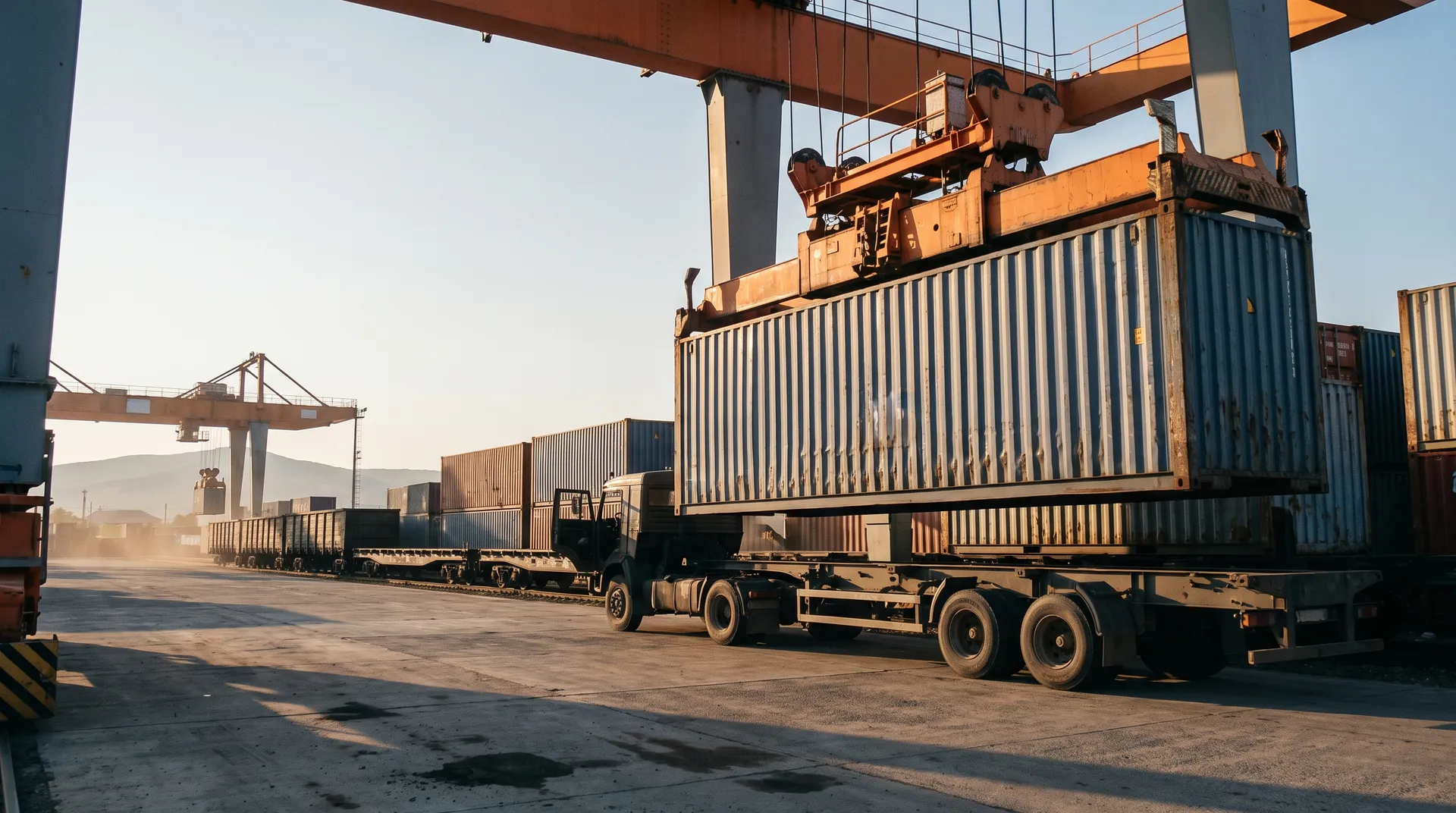
The nature of the channel has changed in four years. Initially, parallel imports were introduced as an emergency way to replace the missing official supplies. Now importers have built routes through transit countries, formed chains and adapted calculations — the mechanism has become part of a permanent logistics infrastructure, rather than an anti-crisis tool.
The Ministry of Industry and Trade previously stated that parallel imports will continue to operate in 2027. The structure of the list may change: if a foreign manufacturer returns to the Russian market or its products are consistently sold through official channels, the need for a position decreases. Where there are no official supplies, an alternative channel remains a way to avoid shortages.
What a business should do. Importers should fix the current version of the list as a working base and track the return of brands by their categories: these are the first items to leave the list at the next revision. It makes sense to insure contracts with a long horizon with a reservation in case of exclusion of goods from the list — the law does not provide for a cancellation mechanism with a transitional period.
Similar materials on the website
- The EEC resets duties: titanium scrap, manganese, acid are a neighboring tool to reduce the cost of imports
- Free trade between the EAEU and the UAE will be launched on October 6 — legal routes that complement the parallel channel