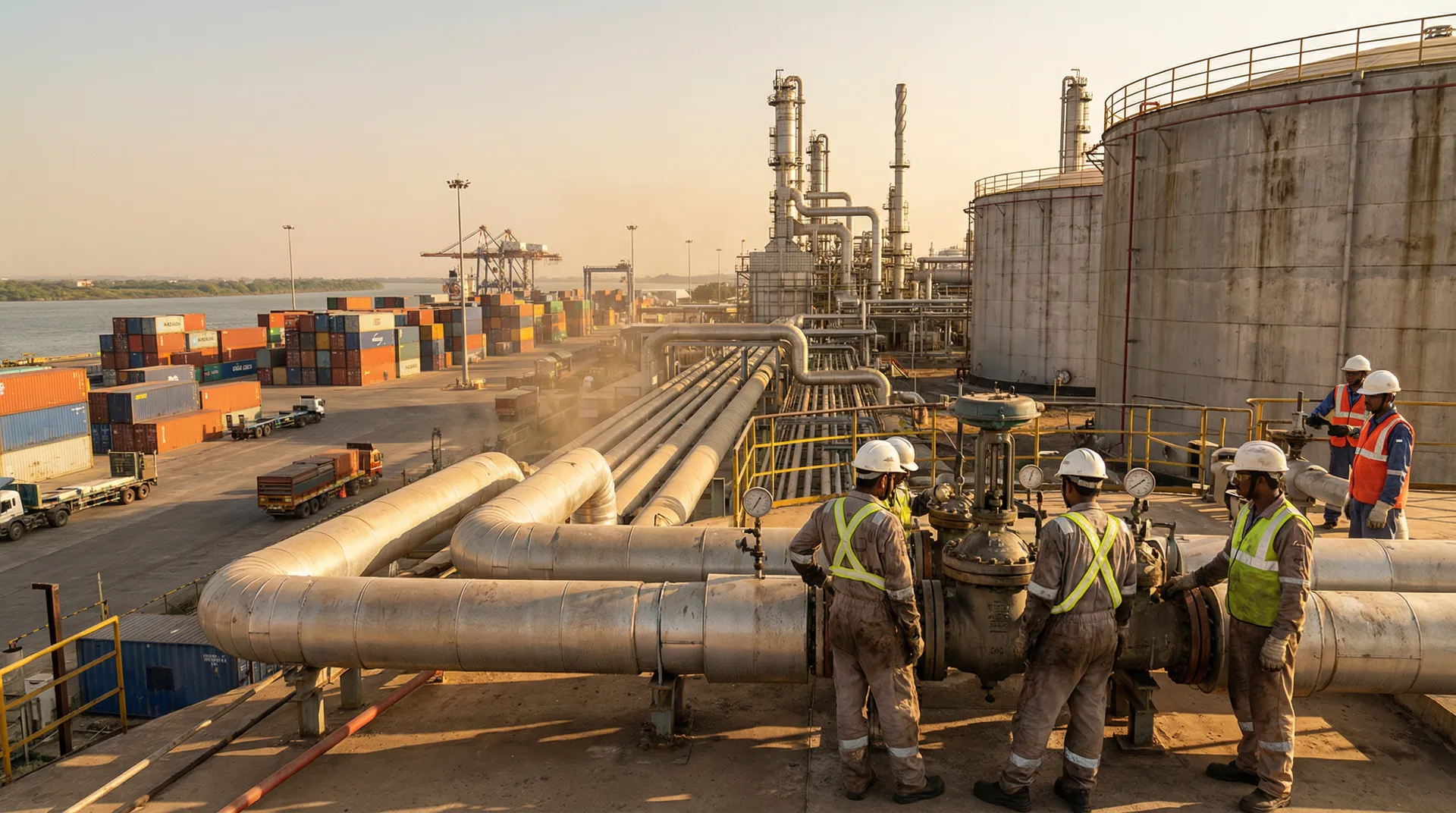
India has adopted a package of emergency solutions to stabilize the supply of raw materials and support industrial production. The government has zeroed customs duties on a number of critical petrochemical products until June 30, 2026.
We are talking about raw materials that are widely used in the production of plastics, packaging, textiles, pharmaceuticals and automotive components. For enterprises, this means lower costs and more predictable capacity utilization.
The decision was a response to supply disruptions from the Middle East region and rising petrochemical prices. Market participants are registering pressure on production chains and an increase in the delivery time of raw materials.
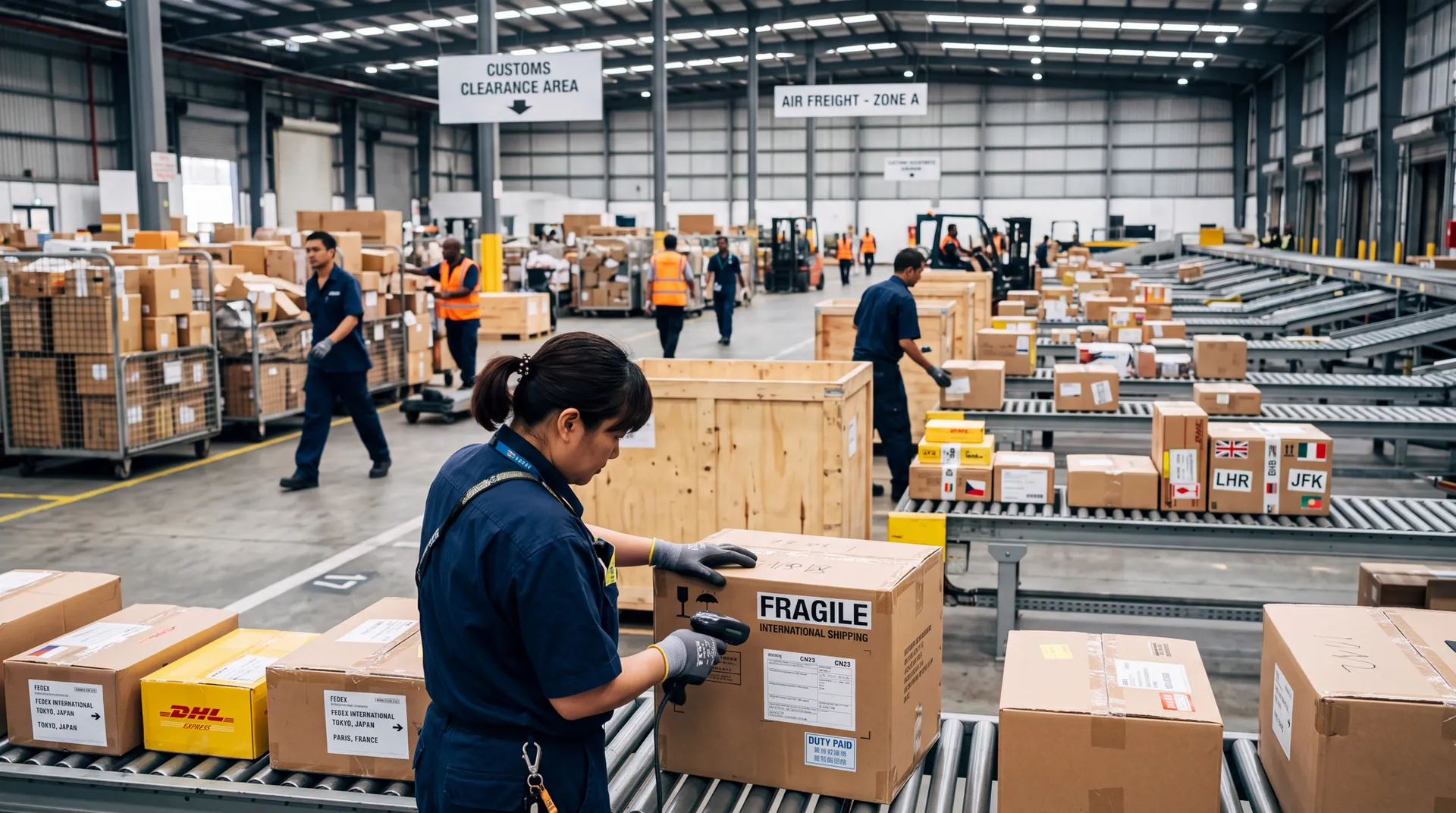
The authorities also announced additional measures to support foreign trade. Among them are the coordination of logistics, the acceleration of customs procedures and the launch of special mechanisms for interaction with exporters.
Business representatives point out that the reduction in duties makes it possible to quickly rebuild supply chains and maintain export contracts. This is especially important for industries with high dependence on imported raw materials.
The solution creates a more sustainable business model for the Indian industry and strengthens the country's position in global supply chains. Companies are able to react faster to external shocks and maintain export rates.