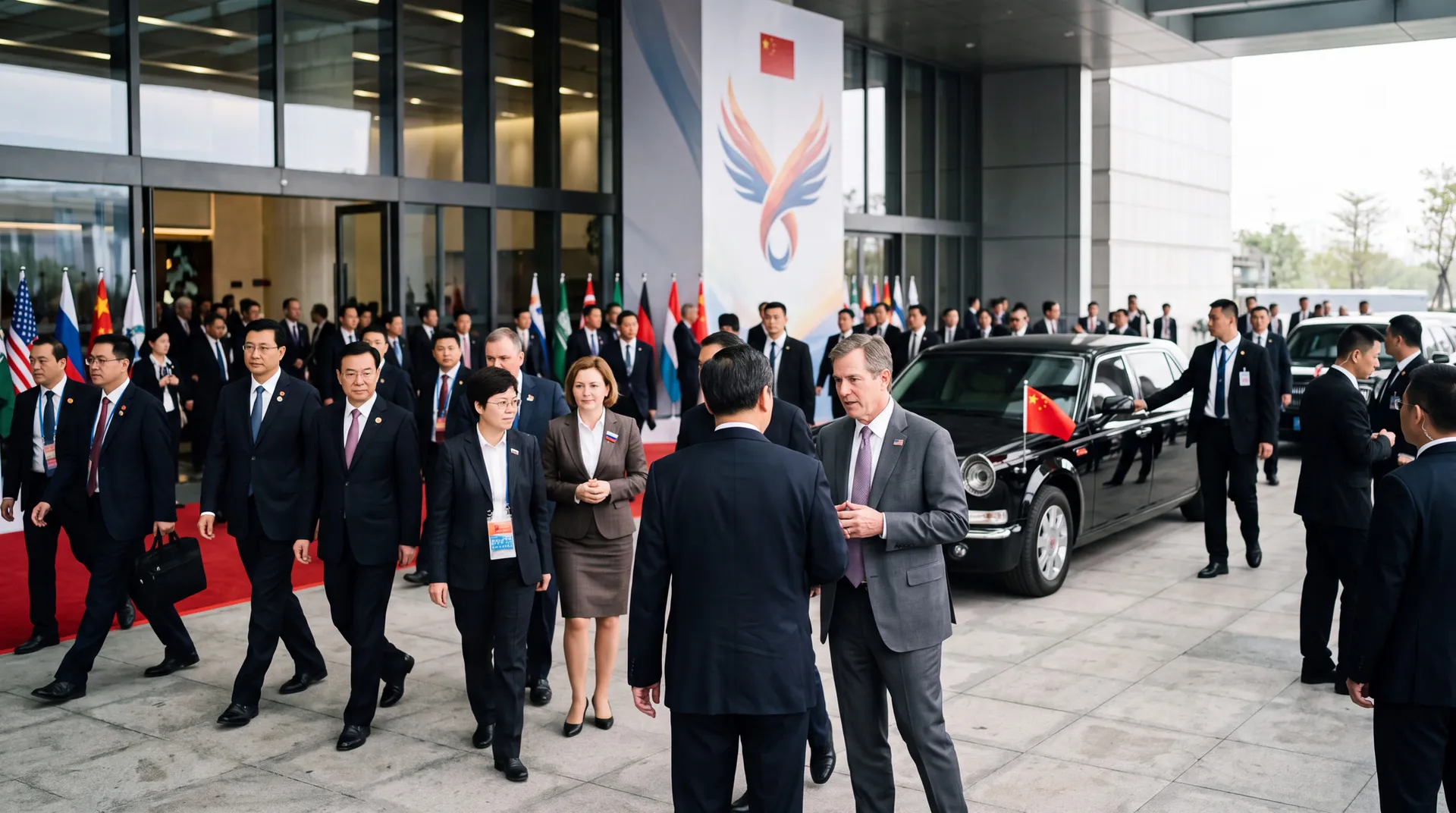
The meeting will be held on the initiative of the American side: the White House announced it first, and the Kremlin confirmed it on Saturday through press Secretary Dmitry Peskov. Beijing has not yet given official confirmation.
"An agreement has been reached to hold a trilateral meeting between President Putin, President Xi and President Trump on the 19th. The meeting will be held in Shenzhen on the sidelines of the APEC summit," Peskov told the TASS news agency.
The agenda is formed around nuclear disarmament and Iran. The United States justifies the format by saying that Washington and Moscow have the largest nuclear arsenals, while China is growing the fastest. An American official familiar with the preparations for the meeting lowered expectations: the event is intended as the beginning of a dialogue, and there are no plans to sign agreements.
"The President made it clear that, among other issues, he intends to discuss the reduction of the global nuclear arsenal. The president considers this spread to be extremely dangerous," White House spokeswoman Olivia Wales said.
Ukraine is not included in the trilateral agenda, as confirmed by the White House. There is also no separate one-on-one meeting between Trump and Putin: the Kremlin has explicitly indicated this. The last time the two leaders met was at the Alaska summit in August 2025.
Trump has a working lunch scheduled with Xi Jinping. The sides met in Beijing in May and in Washington in September. As a result of these contacts, the trade truce between the two countries has been extended until January 2027, a crucial period for importers building supply chains from China.
In parallel, Russian-Ukrainian negotiations are resuming under American mediation. They are joined by representatives of France, Germany, Great Britain, Poland, Italy and the European Union. German Chancellor Friedrich Merz publicly warned Washington before Trump's departure: "Please, no surprises."
Trump's trip will include a stop in the Philippines. Elon Musk is accompanying the president to China, but will not participate in the meeting with Xi and Putin.
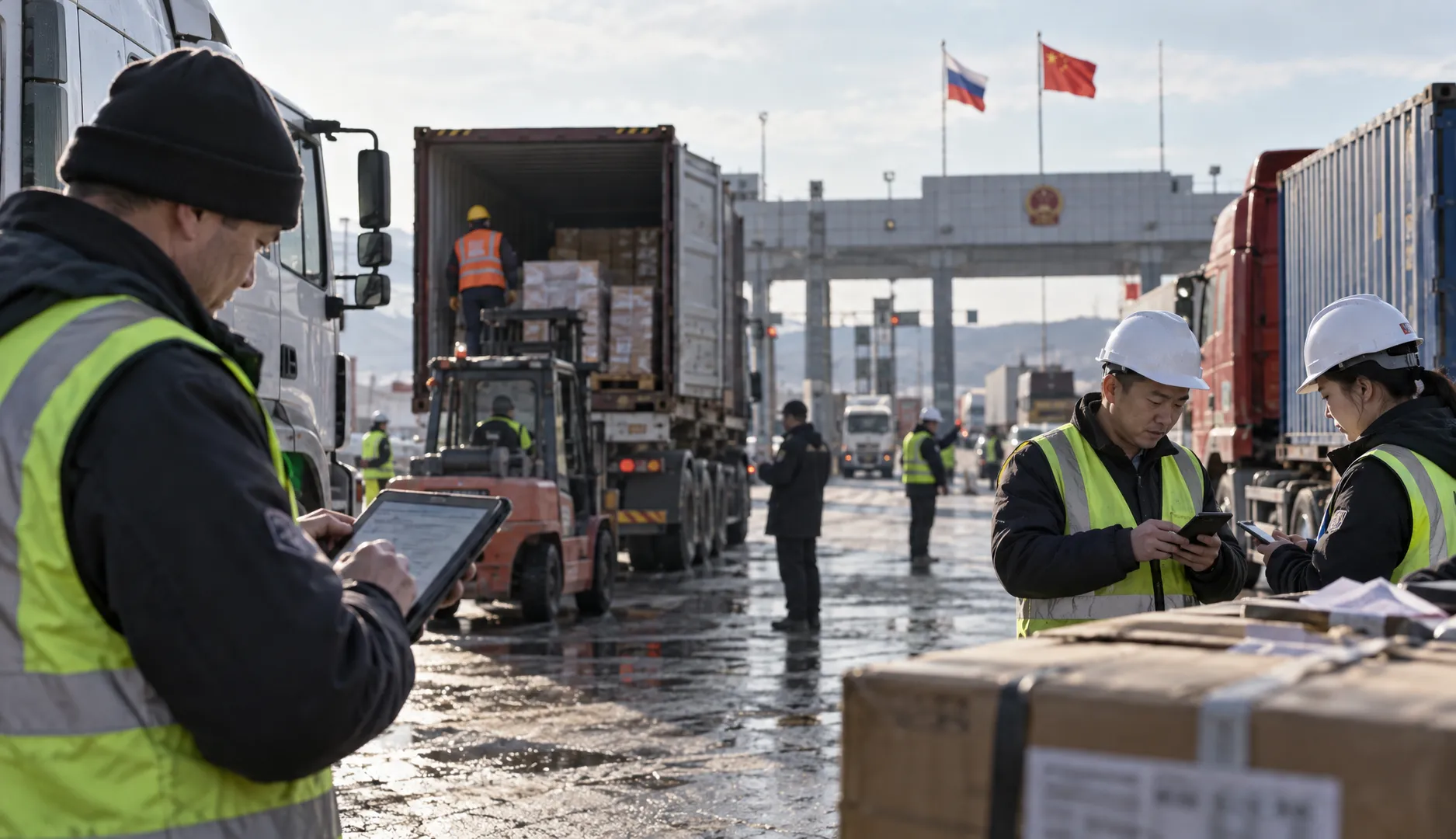
For businesses working with the three largest BRICS economies, the outcome of the summit may provide a new framework for sanctions compliance, cross-border settlements, and logistics routes. The extension of the US–China trade truce until 2027 is already reducing tariff uncertainty for the coming year, but negotiations on Iran may affect transit corridors through the Middle East. The next signal is the official results of the meeting on November 19.
Related news:
- China is shaping the APEC 2026 agenda: more than 300 business events - what events is China preparing within the framework of APEC
- Trump and Xi in Beijing: duties are frozen, there is no deal — what ended the May meeting between Trump and Xi in Beijing
- China's foreign trade increased by 31.2% in October 2026 — China's foreign trade dynamics in October
- brix: what is behind the loud abbreviation and how does it relate to your business — what does the BRICS association mean for Russian business