

Soyuz Vostok and Mongolian Transit: how a gas megaproject is changing the country's position in the triangle

Soyuz Vostok gas pipeline: from memorandum to construction
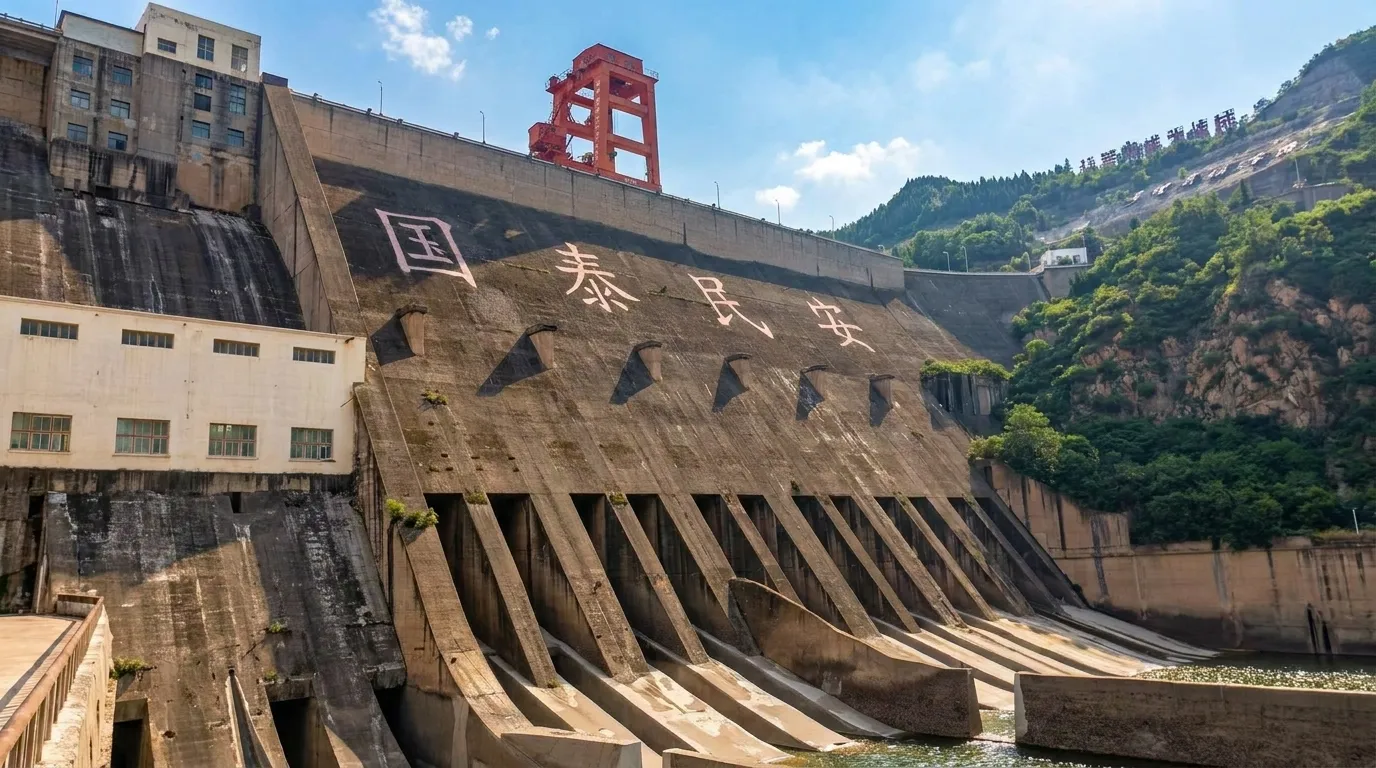
The Soyuz Vostok gas pipeline— the transit branch of the Power of Siberia —2 through Mongolian territory, has become one of the most discussed infrastructure projects of 2026. Russia and China have signed a memorandum on a gas pipeline and transit line through Mongolia with a capacity of up to 50 billion cubic meters per year. At the same time, the heads of Mongolia and China agreed on a list of 33 joint projects, including a new railway between the Altanbulag and Zamyn-Uud checkpoints.
For Mongolia, Soyuz Vostok is not just a transit revenue. It is a negotiating resource, an infrastructure multiplier and an incentive for the development of adjacent territories. The country through which the strategic pipeline passes has a fundamentally different weight in regional negotiations.
For business. Large-scale energy infrastructure attracts related markets: construction, metal structures, cable products, technical supervision, geodesy, logistics of building materials, maintenance and repair. Russian companies with relevant competencies have an advantage over competitors from third countries.
Altanbulag—Zamyn-Uud Railway: new corridor axis
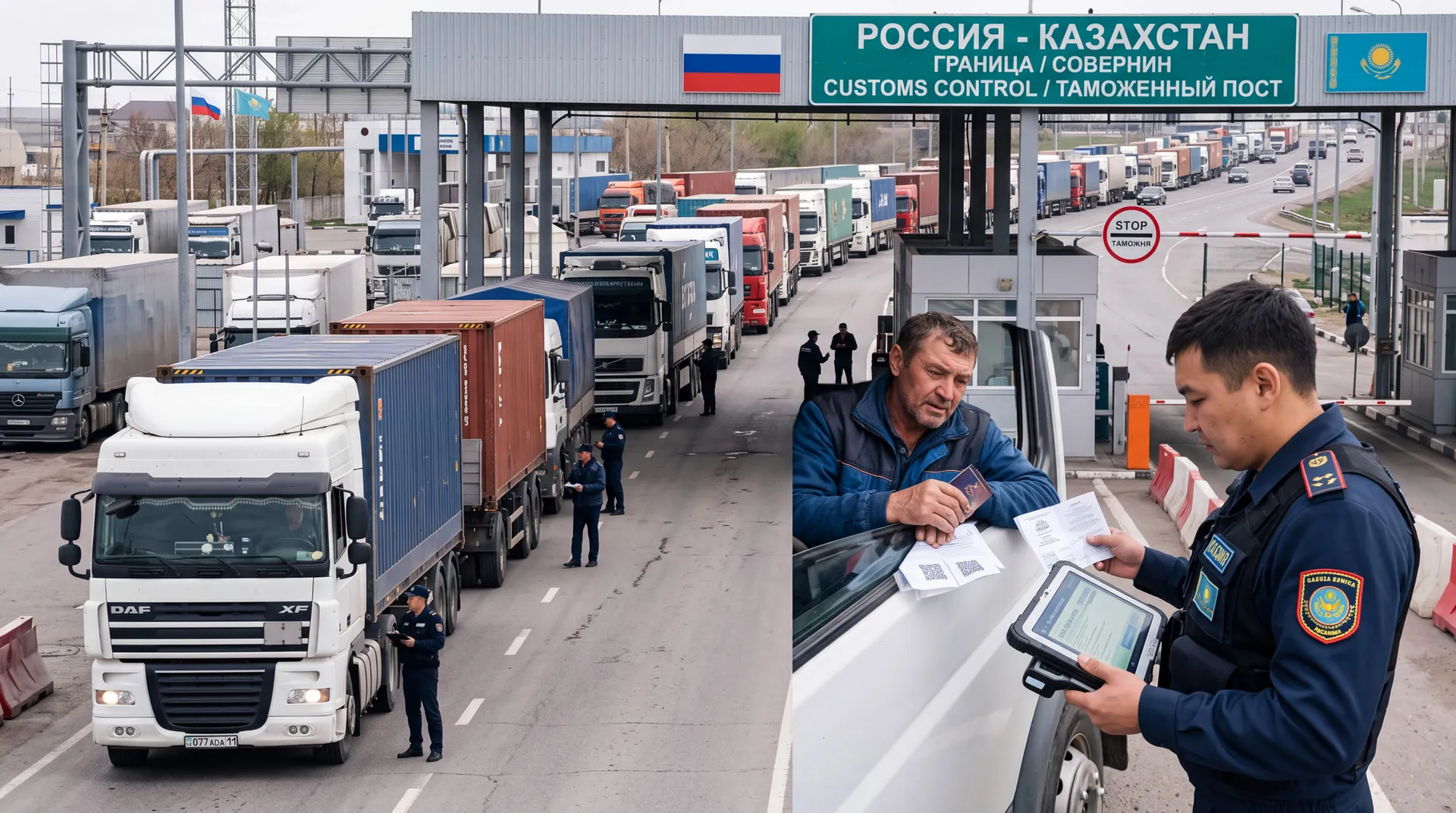
The new railway line connecting Russian and Chinese checkpoints directly through Mongolia will become one of the key infrastructure solutions of the corridor. Today, cargo following this route passes through Ulaanbaatar— the central hub of the Ulaanbaatar Railway. The direct line will reduce the distance and time, creating a competitive route for freight traffic between Russia and China.
In parallel, in February 2026, the transport departments of Russia and Mongolia completed the approval of a feasibility study for the modernization of the central line of the economic corridor. By 2030, the Ulaanbaatar Railway is expected to increase cargo turnover to 50 million tons.
Energy as an entry point for Russian business
The Mongolian energy market is structurally open to Russian suppliers. The country imports a significant share of electricity from Russia and petroleum products, both from Russia and through Chinese processors of Russian raw materials. At the same time, Mongolia's own generation is aging: Soviet-built coal-fired thermal power plants require modernization or replacement.
New directions are renewable energy and decentralized solutions for industrial sites and livestock farms. Mongolia's solar and wind potential is high, and the state creates preferences for green projects within the framework of international obligations.
- Modernization of coal-fired thermal power plants. Russian engineering companies have experience working with Soviet—generation equipment, which is a competitive advantage in the Mongolian market.
- Autonomous generation for mining sites. Mongolia's large deposits are remote from centralized networks and need their own energy sources.
- Petroleum products and fuel and lubricants logistics. Russia retains its role as a key fuel supplier, and there is room for building long—term contractual relations.
- Construction of the corridor infrastructure. Roads, terminals, and energy supply for construction sites are an accompanying market for large infrastructure projects.
Mongolia at the WEF: a signal for business
The participation of the Prime Minister of Mongolia in the Eastern Economic Forum in Vladivostok on September 3, 2026 is not a protocol visit. This is a signal that the country considers the Russian direction as a strategic priority, and not just as a historically established route. The presence of the Mongolian delegation at the WEF creates an opportunity for meetings and negotiations even before the forum in Ulaanbaatar.
For THE ULAANBAATAR FORUM On SEPTEMBER 14-20, a round table "Russia-Mongolia: Strategic Partnership in mining and Heavy Industry" will be held in Ulaanbaatar on September 16 as part of the Mining Industry Week. September 17-20 — The XIX Joint Forum of the Chambers of Commerce and Industry of Russia, Mongolia and China. Energy and infrastructure are among the key topics on the negotiating agenda.
Similar materials on the website
- Mongolia between Russia and China: where businesses can capitalize on the new economic corridor — seven directions and figures of the country's foreign trade
- Mongolia's free economic zones: what benefits businesses receive and where the free zone regime ends — what the zone regime gives and does not give when working through Mongolia
- From the Great Tea Road to the Economic Corridor: why Russia, Mongolia and China are reassembling the trade route — how the same geography worked three centuries before the gas pipeline