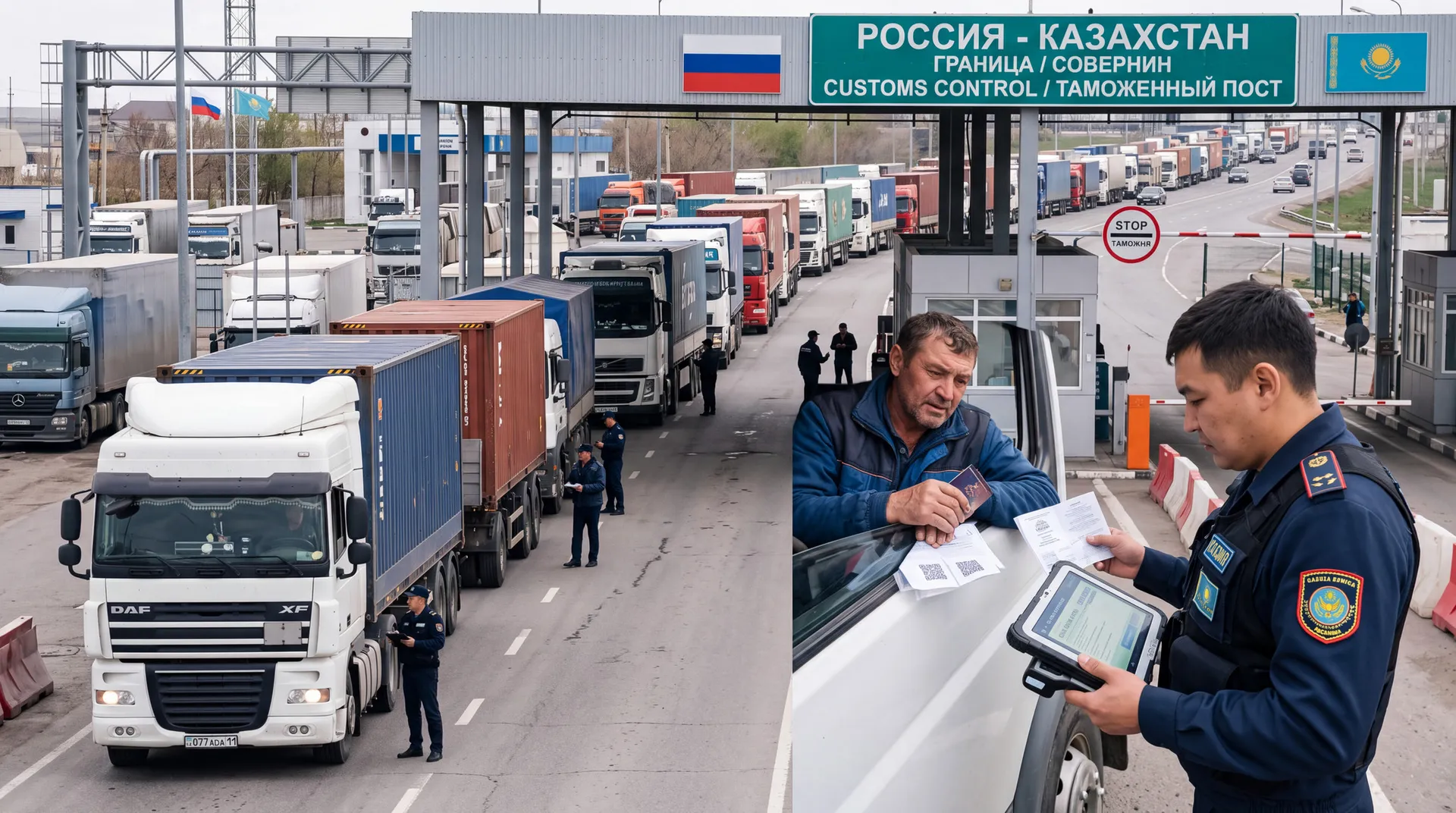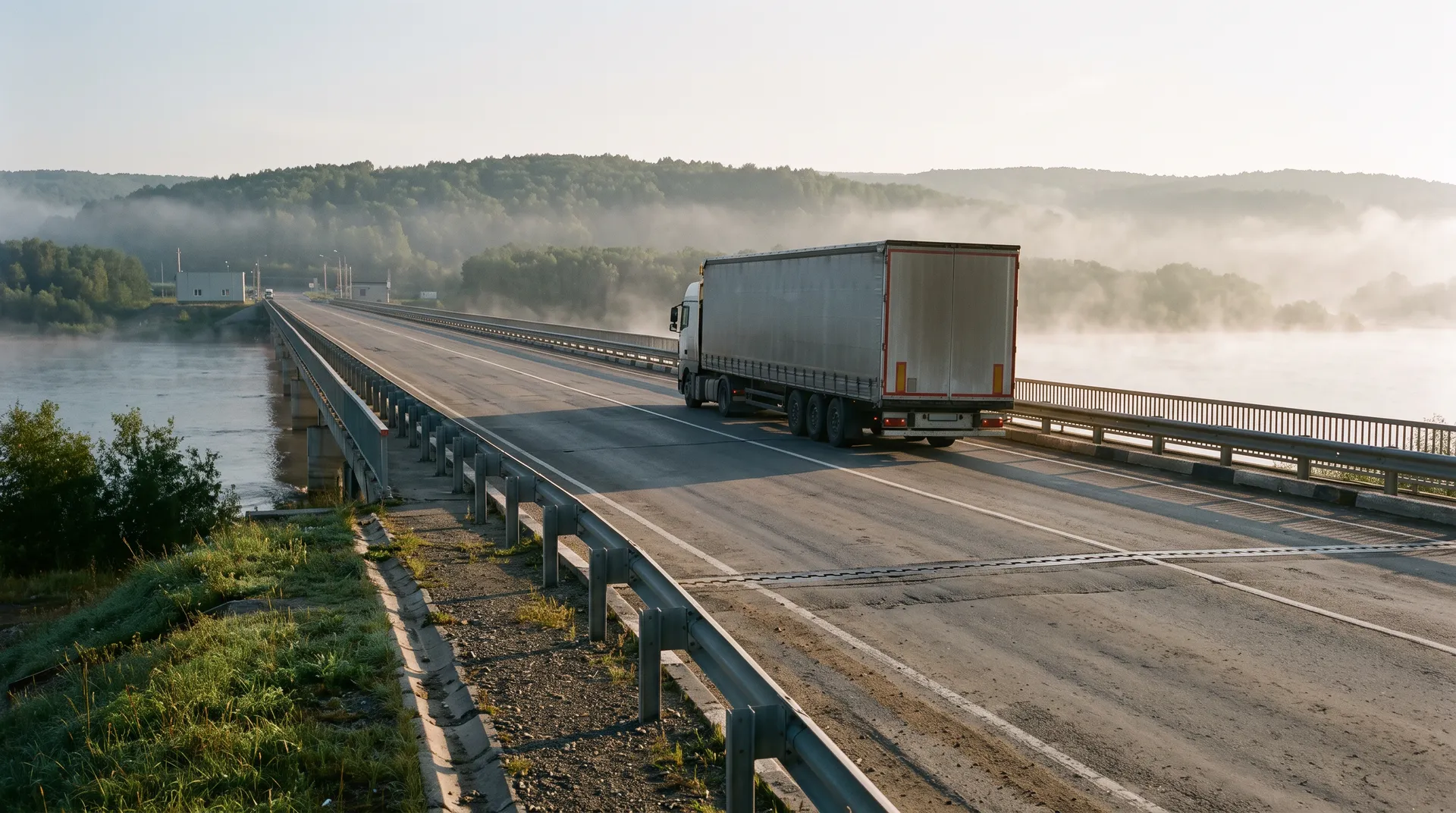
The first automobile route across the border has been opened between Russia and the DPRK. Previously, communication was provided by rail and sea transport.
The value of a car channel is determined not by volume, but by format. Rail transportation requires a shipment from a wagon and is subject to a pick-up schedule. Marine — accumulation of ship's lot and port handling. Automobile transportation removes both restrictions: you can carry a combined cargo, ship it when ready, and change the schedule without negotiating with the operator.
For Far Eastern companies, this expands the range of work schemes in the direction. Especially for those who carry samples, components, equipment in single quantities and other goods for which a wagon lot is not assembled.
The practical part remains open. To plan the delivery, three things are needed that are not included in the announcement: the list of goods allowed to be transported by this route, the customs clearance procedure and the checkpoint's operating hours, days, restrictions on the type of vehicles.
Compliance requires special attention. The destination is under international restrictions, and the opening of the transport channel by itself does not change the rules by which the bank makes the payment and the customs releases the goods. You need to check both the product position, the counterparty, and the payment track before signing the contract, not after.
What should companies that are interested in the direction do? To request from the customs authority and from the carriers operating on the route, the current conditions of passage and the list of allowed goods. Discuss with the bank the possibility of making a payment on a specific transaction in advance. And we should start with a trial batch of the minimum volume: on a new route, the first flights always take longer than advertised.