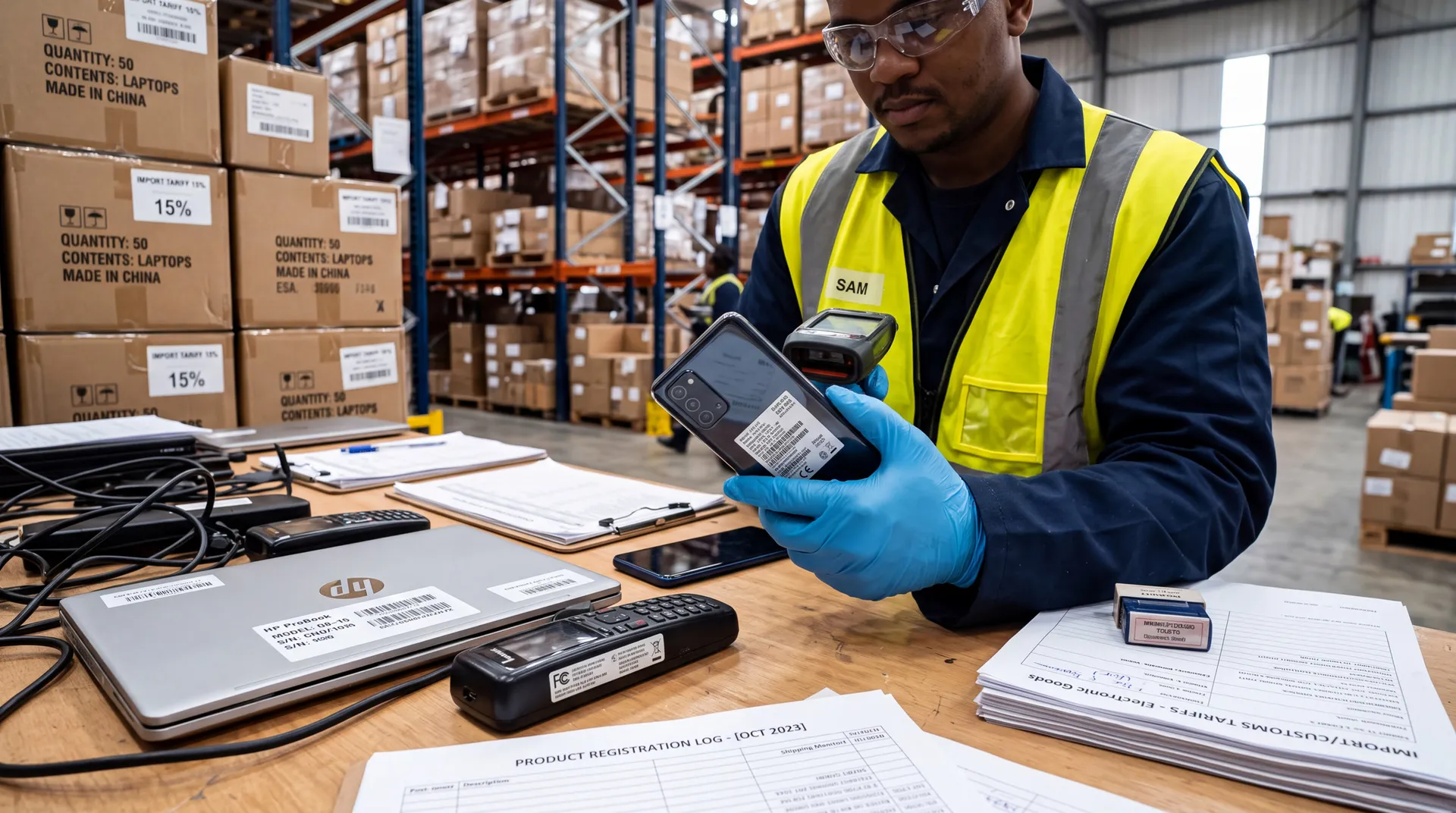
The specialized declaration of e—commerce goods has been operational since July 1, along with a new threshold of 200 euros - e-commerce operators and carriers now file a declaration for the buyer, eliminating the need for self-registration. But any mass automated declaration system inevitably has errors: incorrectly stated cost, inaccurate weight, discrepancies in recipient data.
Before the official correction form appeared, the correction of such errors remained procedurally uncertain — e-commerce operators worked without clear regulations on how to change the data already submitted. The form approved by the EEC provides a formal framework for this process: a specific set of fields, the order of submission, and grounds for adjustments.
With the current volume of the flow of parcels from foreign marketplaces, which, according to the European Commission, has doubled annually since 2022 in relation to the European direction, and is growing at a comparable pace in the EAEU, the proportion of declarations with errors is inevitably measured in thousands per month. Each such error without a clear correction mechanism means either a delay in the release of the parcel, or the risk of additional charges based on overstated data without the possibility of correcting them.
For e—commerce operators and customs representatives working with specialized declarations, learning a new form is not an optional task. The discrepancy between the declared and actual value of the parcel, discovered after submission, can now be corrected formally instead of manually settling with the customs post each time. This directly affects the speed of parcels crossing the border: the faster the operator learns the adjustment procedure, the fewer delays end customers will receive on sites like AliExpress and similar services.