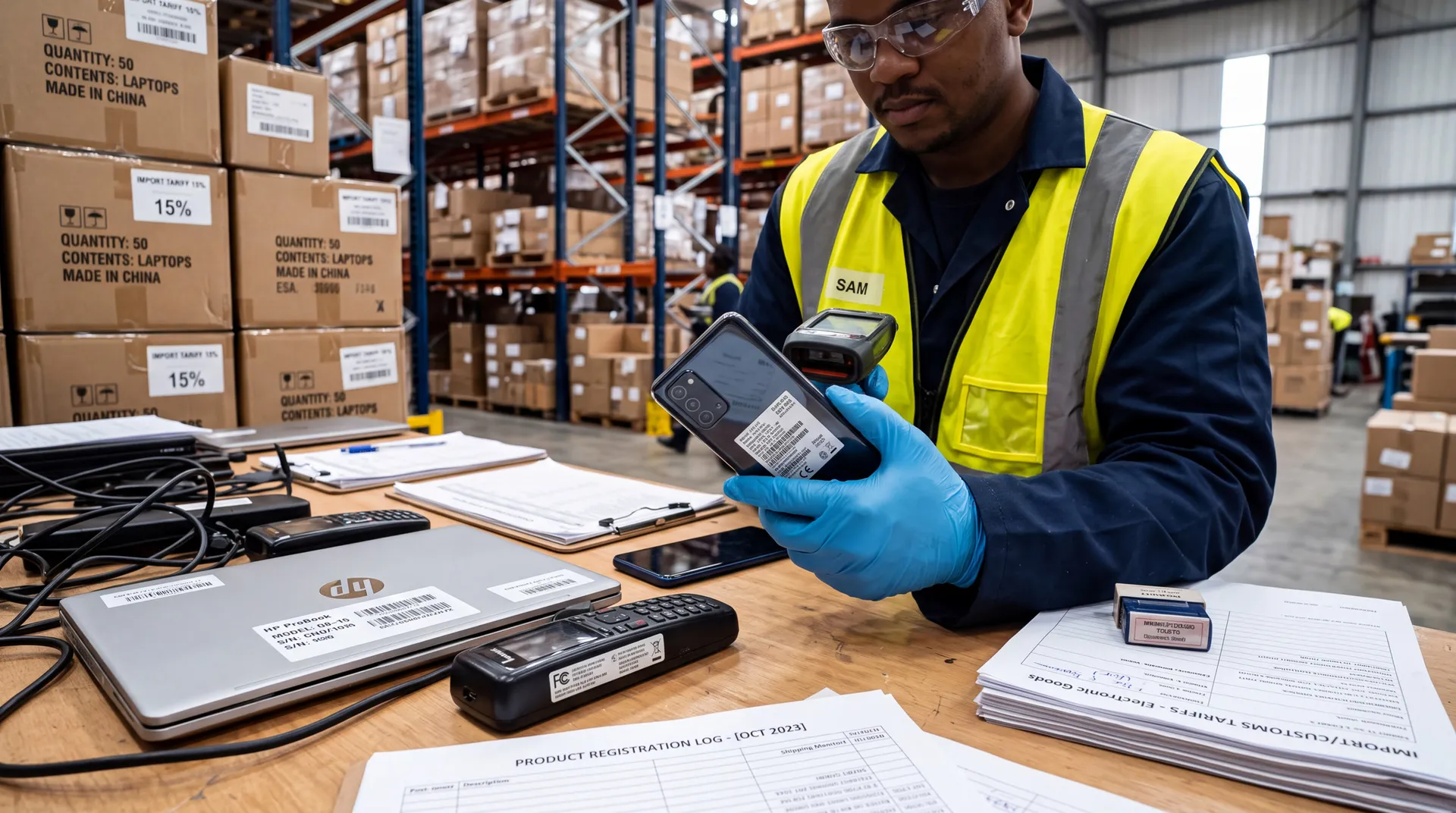
The product traceability and security system works according to the logic of prepayment of tax obligations: before the product physically crosses the border, the importer must record in the system the amount of VAT and excise taxes owed to the state for this shipment and ensure its payment.
Until July 1, this requirement was not applied for goods from Kazakhstan, Armenia and Kyrgyzstan — a security payment was not a prerequisite for import. Starting from this date, the rule changes: without payment, the shipment does not pass through the SPOT system, which effectively blocks its registration at the border.
The regulator has retained a longer transition period for Belarus — the benefit is valid until November 1, 2026. The time difference is related to the deeper integration of Russian-Belarusian customs procedures and the gradual integration of the rest of the EAEU countries into a single regime.
The practical effect of the security payment is not an additional tax, the amount is subsequently offset upon the actual payment of VAT on the declaration. The problem is different: the money must be deposited in advance, and not at the moment when the product is already generating revenue from the sale. This is a classic cash gap — the company freezes working capital for a period of several days to a week, depending on the speed of the batch processing.
For companies with regular shipments from Kazakhstan, which is one of the most active transit and trade corridors of the EAEU, the amount of frozen funds accumulates when several shipments are processed simultaneously. The finance department should calculate the additional need for liquidity based on the average monthly import volume and the typical batch cycle through the SPOT, rather than waiting for the first cash gap to understand the scale of the problem.