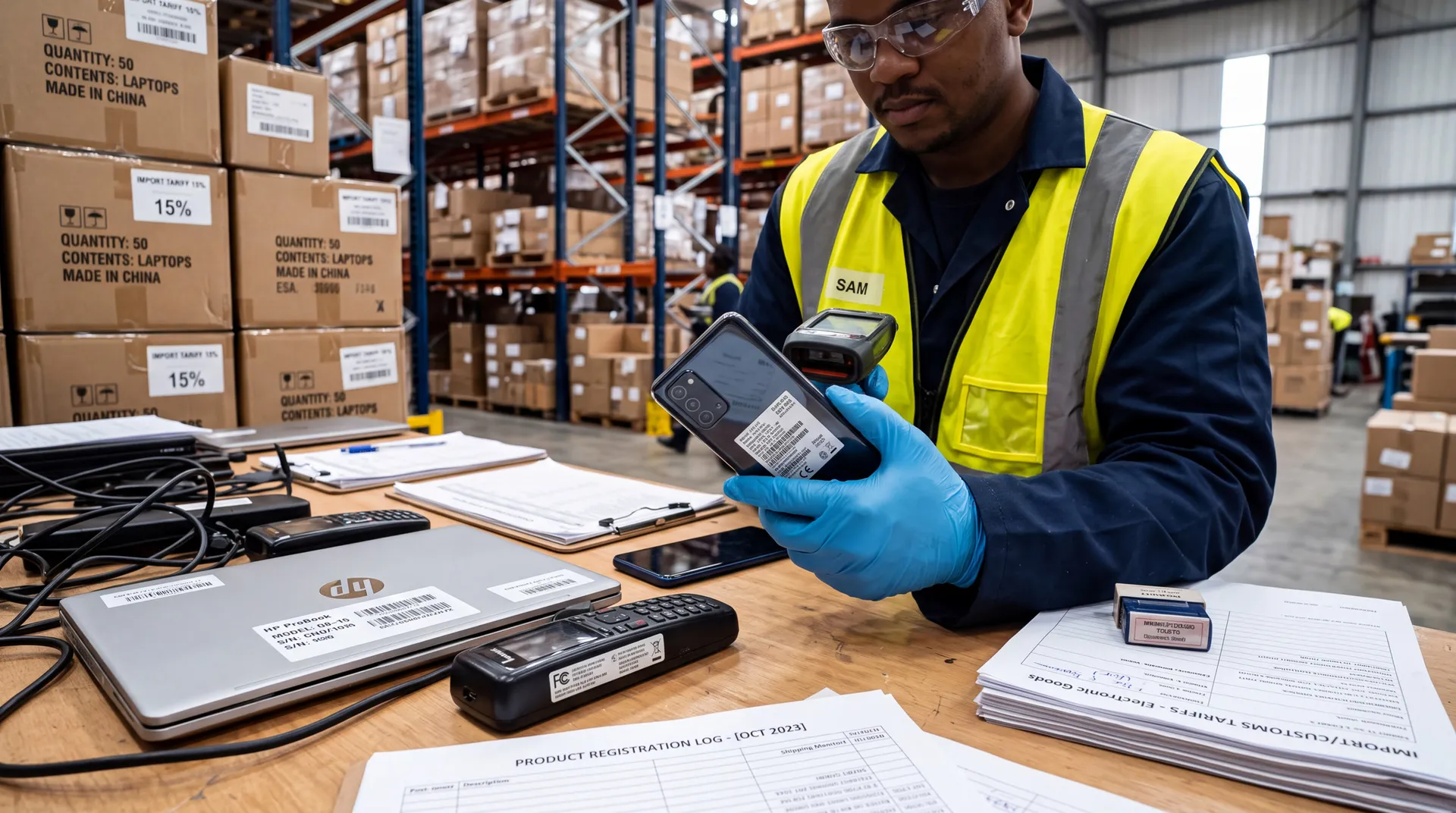
The preferential VAT rate of 10% applies to socially important food products, such as basic groceries, baby food, and certain categories of medical products. The list of such goods is periodically reviewed by the government: some items are added, others are excluded or clarified according to the HS code.
The amendment, which entered into force on July 1, affects specific product subheadings — the expansion or narrowing of the current list depends on the product group. Practice shows that such adjustments more often clarify the wording of codes than fundamentally change the list of categories: a product that previously did not formally fall under the preferential rate due to the narrow interpretation of the code may be eligible for 10% after clarification, and vice versa.
For a food importer, the discrepancy between the declared HS code and the current list is not an abstract legal risk, but a direct financial burden. The difference between the rates of 10% and 20% is exactly 10 percentage points of the customs value, including the duty. For a large shipment, this is a significant amount that customs will add if a discrepancy is detected, and with penalties for the period from the date of importation.
Checking the relevance of the list before submitting the next declaration is a routine but mandatory procedure for each change in the regulatory framework. Companies that regularly import food should consolidate this reconciliation as part of the standard DT preparation process, rather than a one-time check upon the publication of news about the changes. You can check the current list through the official text of the government decree or check with the customs broker whether the preferential rate applies to a specific code after July 1.