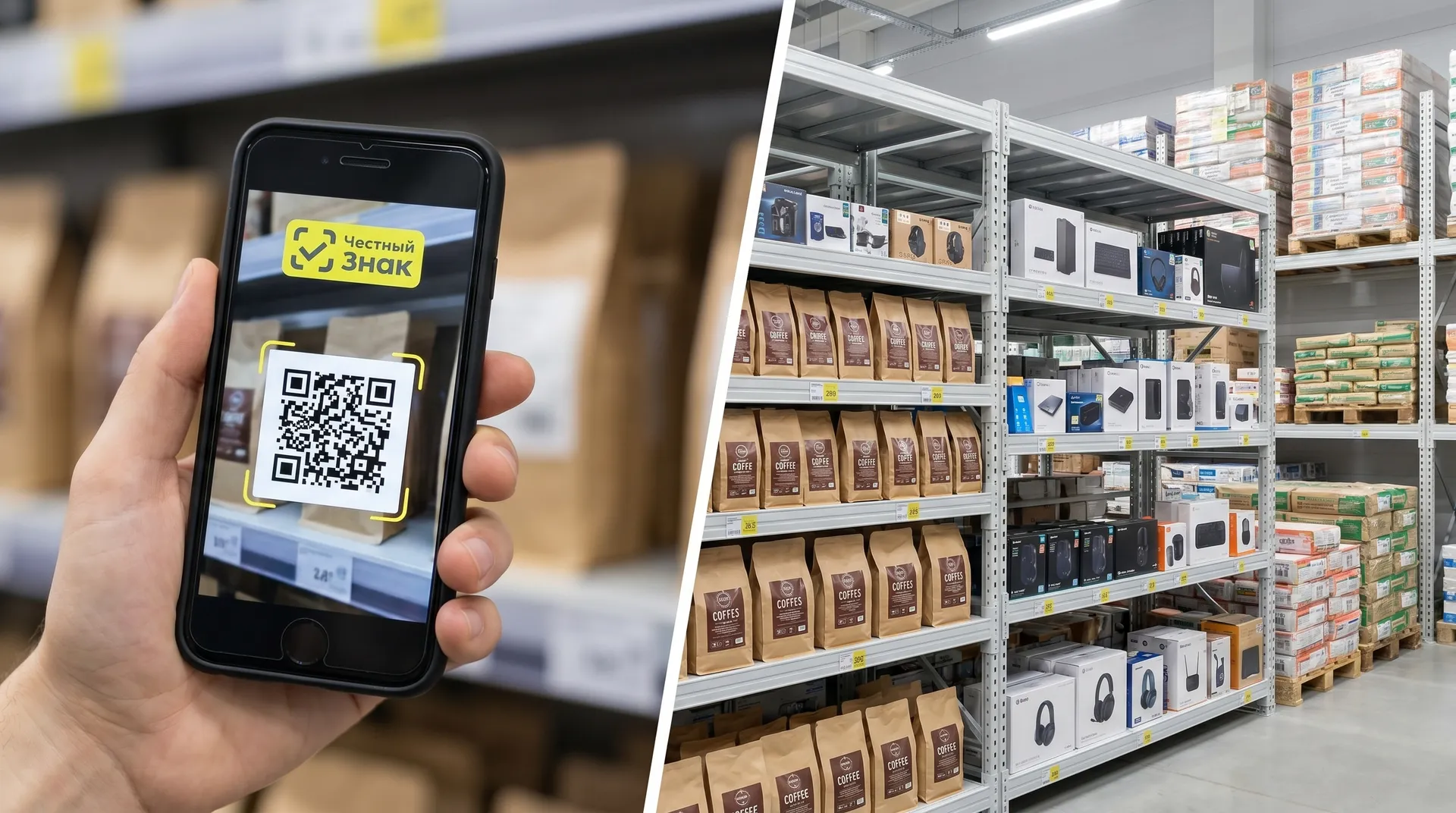
When Honest Sign was launched in 2019, three categories fell under the label — tobacco, fur products and medicines. Today, the system covers 51 product groups. This is no longer an experiment — it is a full-fledged digital infrastructure for controlling the country's trade turnover.
The logic of expansion is the same every time: the state chooses a category with a high proportion of gray turnover, introduces mandatory labeling and begins to see every unit of goods — from production or import to final sale. Counterfeiting and illegal imports in such a system literally lose the opportunity to be sold through retail.
The year 2026 has added categories that are particularly sensitive to importers to the system. From April 1 — tea and coffee. From May 1 — construction materials and paint and varnish products. At the end of May, new requirements for the declaration of engines, excavators, household appliances and tablets will come into force according to EEC decision No. 50. From June 1, labeling will be introduced for school products.
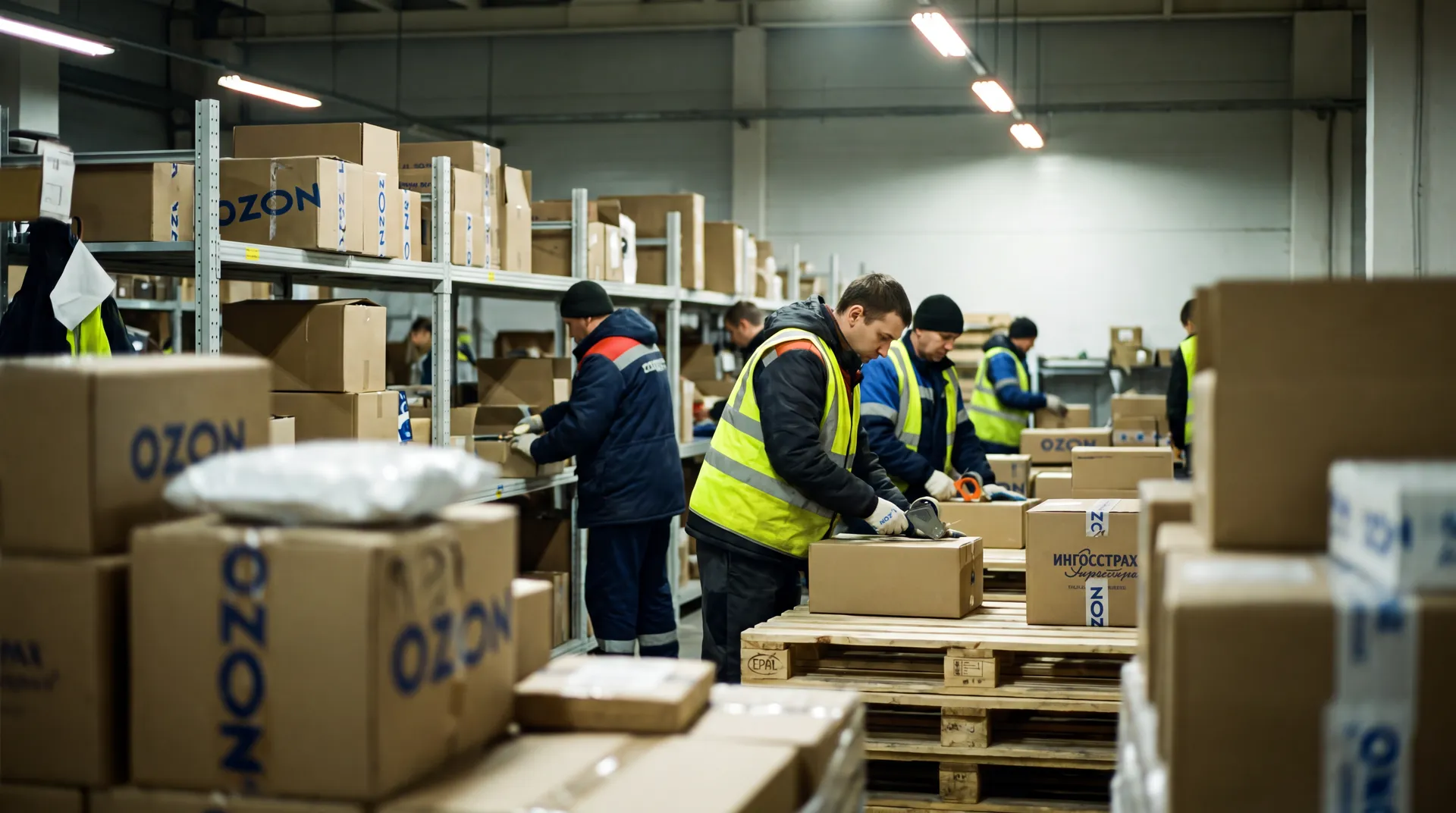
For importers, this means one thing: each new product group is a mandatory restructuring of the chain. The "Honest Mark" code must be applied either in production abroad or in a warehouse upon importation before being put into circulation. Neither the marketplace nor the retail store will accept the product without the code. Starting in October 2026, the law on the platform economy will oblige Wildberries and Ozon to automatically check the labeling and hide the cards without going through the system.
For businesses working with China, India, Vietnam and other supplier countries, it is critically important now to check whether there is a condition for applying labeling codes in current contracts with foreign manufacturers. If not, add it. Every unmarked product that arrives at a Russian warehouse after the deadline will become a problem at the very first sale attempt.