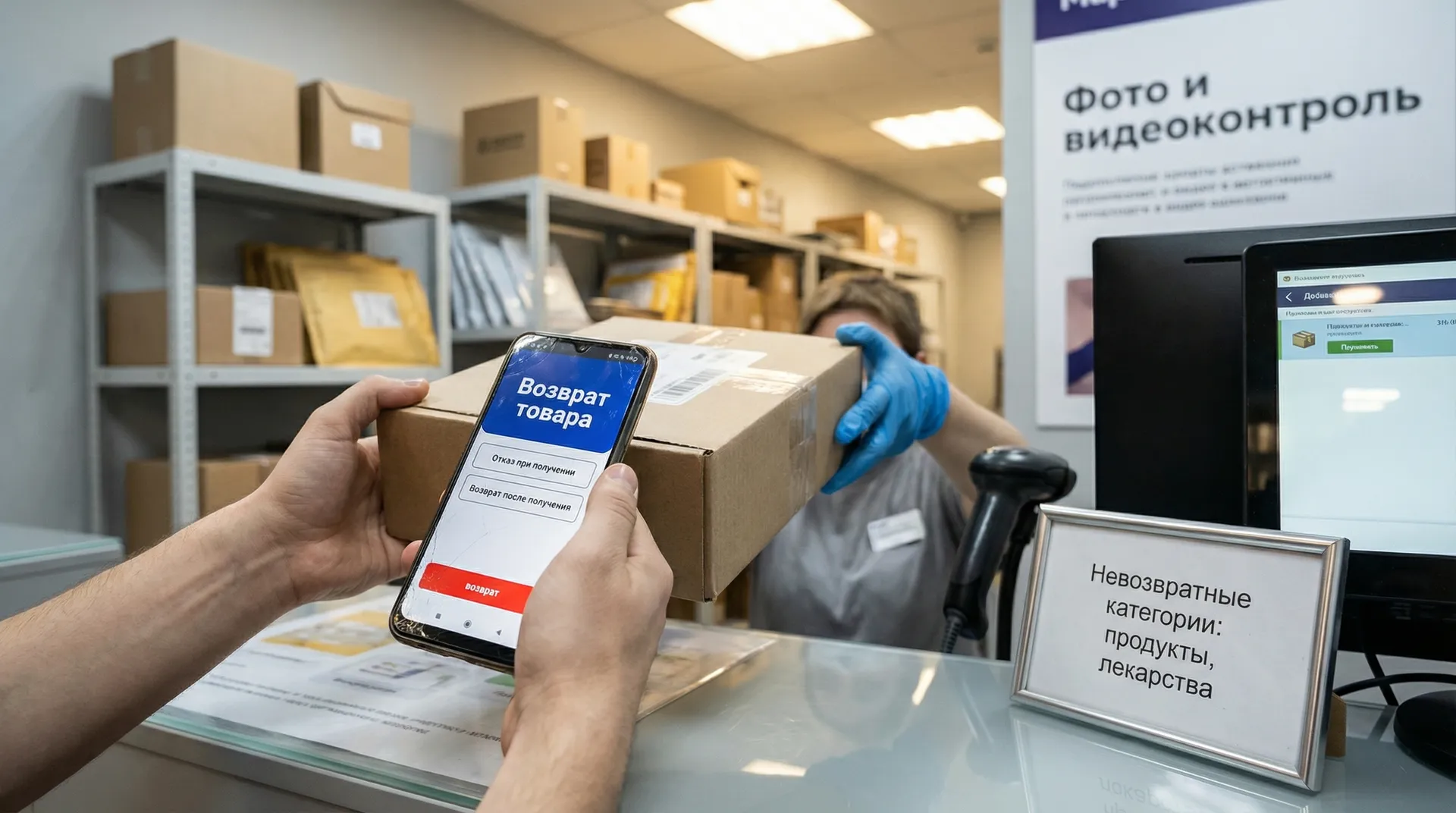
The Constitutional Court of the Russian Federation has actually "rewired" the practice of returns in remote trading: the online seller is obliged to provide the buyer with a real opportunity to return the goods of proper quality remotely, and not only through a personal visit to the seller's point of sale. The reason was that the current regulations did not specify exactly how to return the goods, and this allowed sellers to establish rules in which the costs and inconveniences made the return economically meaningless.
The key conclusion for the market is formulated very clearly: a bona fide seller, especially if the buyer lives in a place where there is no seller's infrastructure or partners, should offer a convenient refund mechanism. The court pointed out that before making changes to the law, the return of "high-quality" goods sold remotely can be carried out.:
- remotely (at the buyer's choice);
- in the way that the seller specified during the sale;
- a method at the request of the buyer that allows you to check the condition of the goods upon receipt by the seller, including the services of a carrier or communication.
For marketplaces and e-commerce, this is not cosmetics, but a change in the economy.:
- Refunds become “distributed” across the country. Previously, the seller could "link" the refund to its own point, but now the responsibility is shifting towards the mail / courier services / partner network. This will increase the volume of reverse logistics and require a tariff model: who pays for the return delivery, how claims are processed, and how the condition is recorded.
- Evidence is more important than emotion. The more remote returns there are, the higher the risk of disputes (product condition, package contents, traces of use). This means that the market will accelerate the implementation of acceptance regulations, photo/video recording and packaging standards, otherwise the costs of arbitration will "eat up" the margin.
- Sellers on marketplaces will enter the new SLA zone. Even if a refund is made through the platform, the ultimate responsibility for the product and its condition often lies with the seller. You will have to prepare instructions, inserts, seals/identifiers in advance to simplify verification upon return.
An important caveat from the logic of the court: before the law is changed, the cost of shipping and the risk of damage in transit are generally borne by the buyer, but the seller must provide the possibility of remote return and not create barriers that turn the right into fiction.
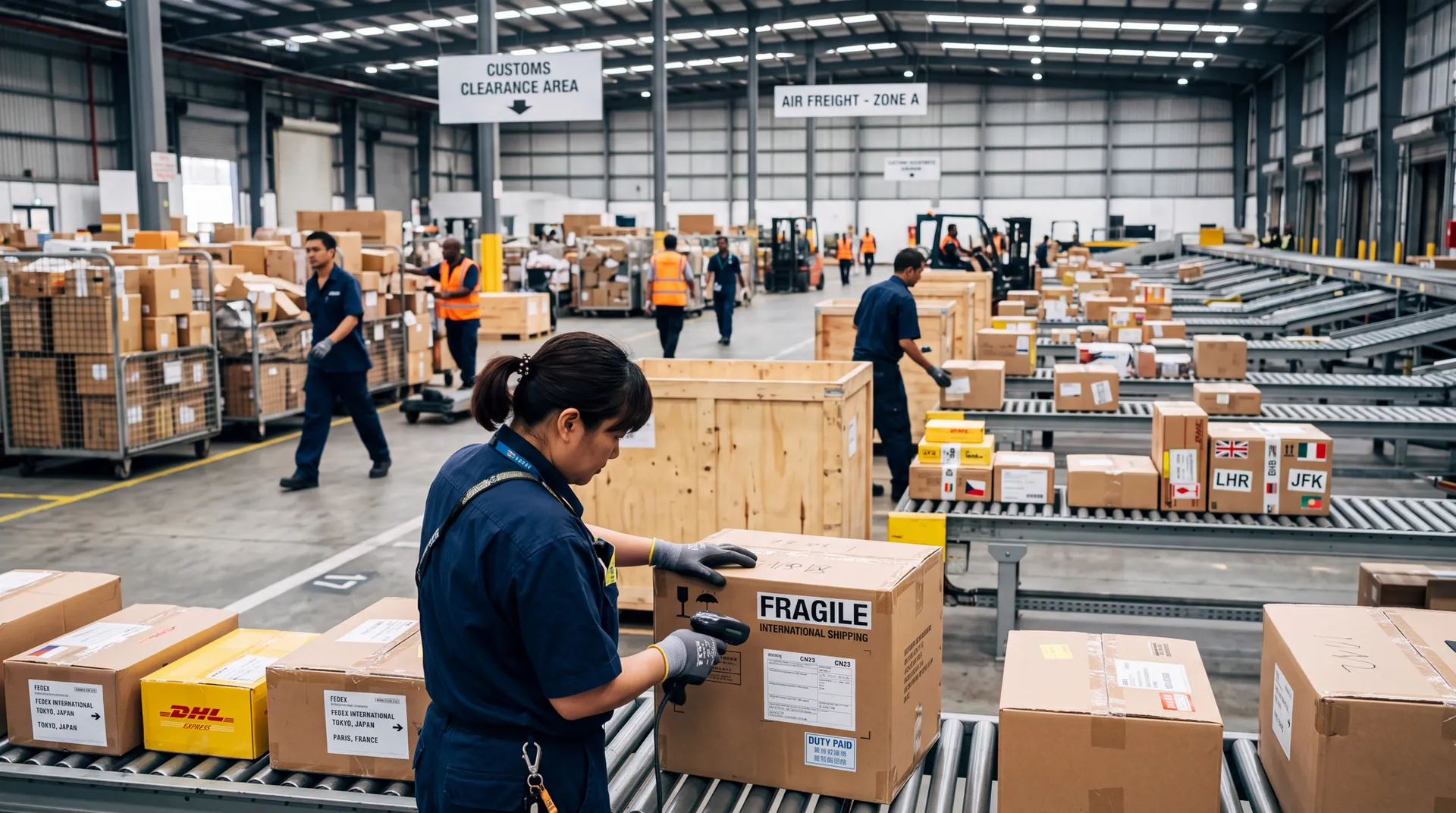
For foreign economic activity chains, the effect is indirect, but strong: imported goods carry a high cost of return (storage, sorting, markdown, write-off). The sooner the market moves to "managed returns" (seals, fixation, standards), the lower the share of losses among importers and 3PLs that serve marketplaces will be.