The reduction in volumes is due to a number of external economic and internal factors, including unstable market conditions, refinery repairs and an unfavorable grain harvest situation. In particular, shipments of ferrous scrap decreased by 35.6%, grain by 30.7%, and industrial raw materials by 18%. Ferrous metals and cement also showed a significant decrease — 17.3% and 13.6%, respectively.
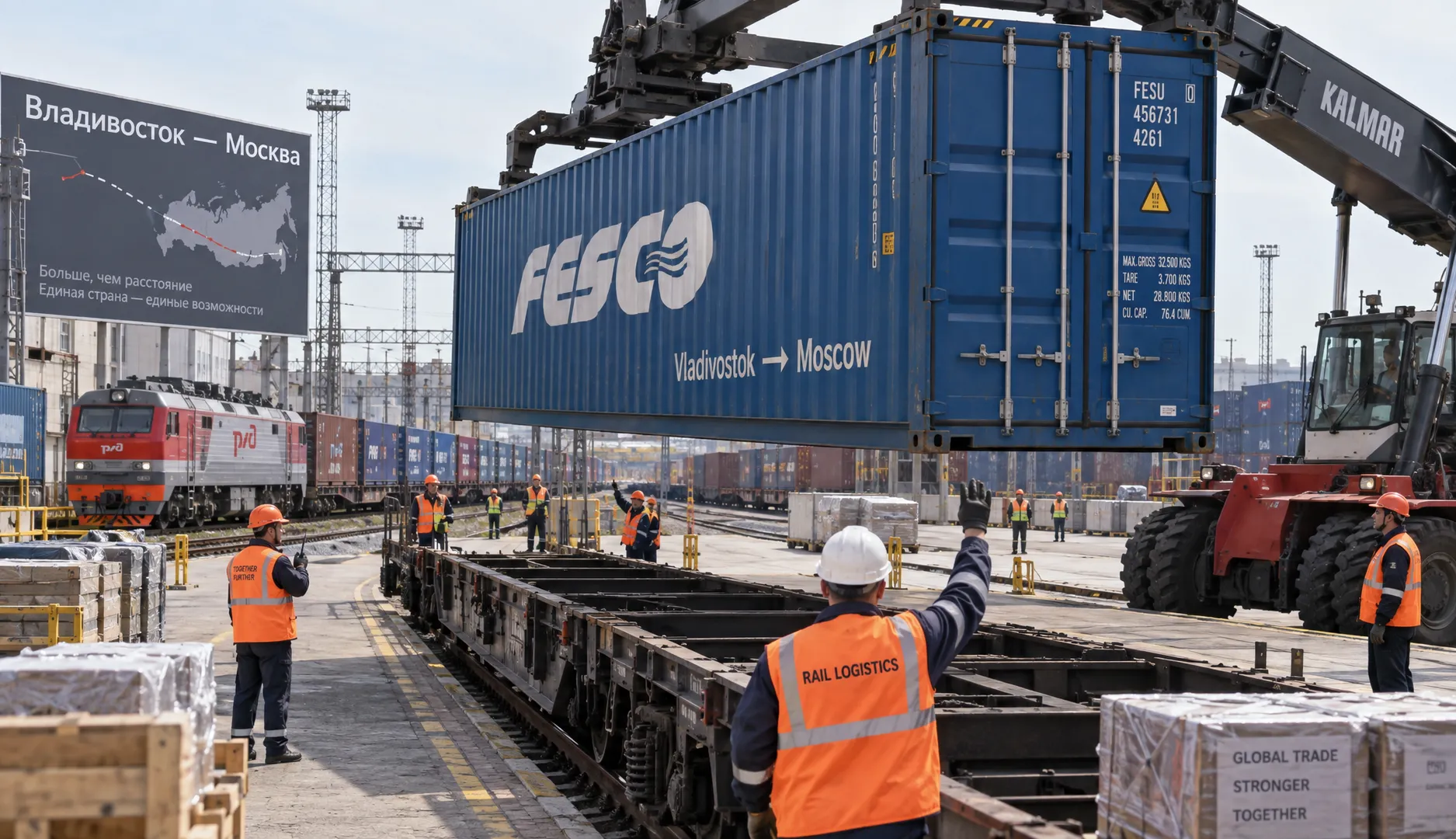
Nevertheless, there are positive signals in the structure of cargo transportation. Supplies of mineral fertilizers (+4%), non-ferrous ore (+4.9%) and export shipments to the east increased. In eight months, the volume of exports via the eastern routes increased by 5.1%, amounting to 107.7 million tons. Supplies of non-coal cargoes are particularly actively growing (+6.6%), including fertilizers (an increase of almost two times), ferrous metals (+3.4%) and iron ore (+13.5%).
Cargo turnover for the period under review amounted to 1,651.2 billion tariff ton-kilometers, which is 2% lower than last year. Taking into account the empty mileage of the wagons, the total cargo turnover decreased by 1.6% to 2,047.4 billion ton—km. August also shows a decrease: tariff freight turnover is minus 5%, and taking into account empty mileage — minus 4%.
Industry experts point out that the current dynamics are temporary and reflect the adaptation of logistics chains to new conditions. The ongoing reorientation of foreign economic relations to eastern and southern destinations, coupled with infrastructural constraints, affects the structure and pace of transportation.
Loading by rail is a key indicator of the state of the industrial and export sectors. Therefore, the current decline requires special attention from business and the government. It is expected that in the coming months, with an improvement in the market situation and the restoration of production, some of the lost volumes can be compensated.
The growth of export supplies to the east confirms the long-term trend towards changing logistics routes. In the current conditions, the development of transport infrastructure in the Asian direction, as well as the search for new solutions to increase the efficiency of cargo transportation in domestic directions, is of particular importance.