International corridors are losing their balance: how to save logistics in an unbalanced environment

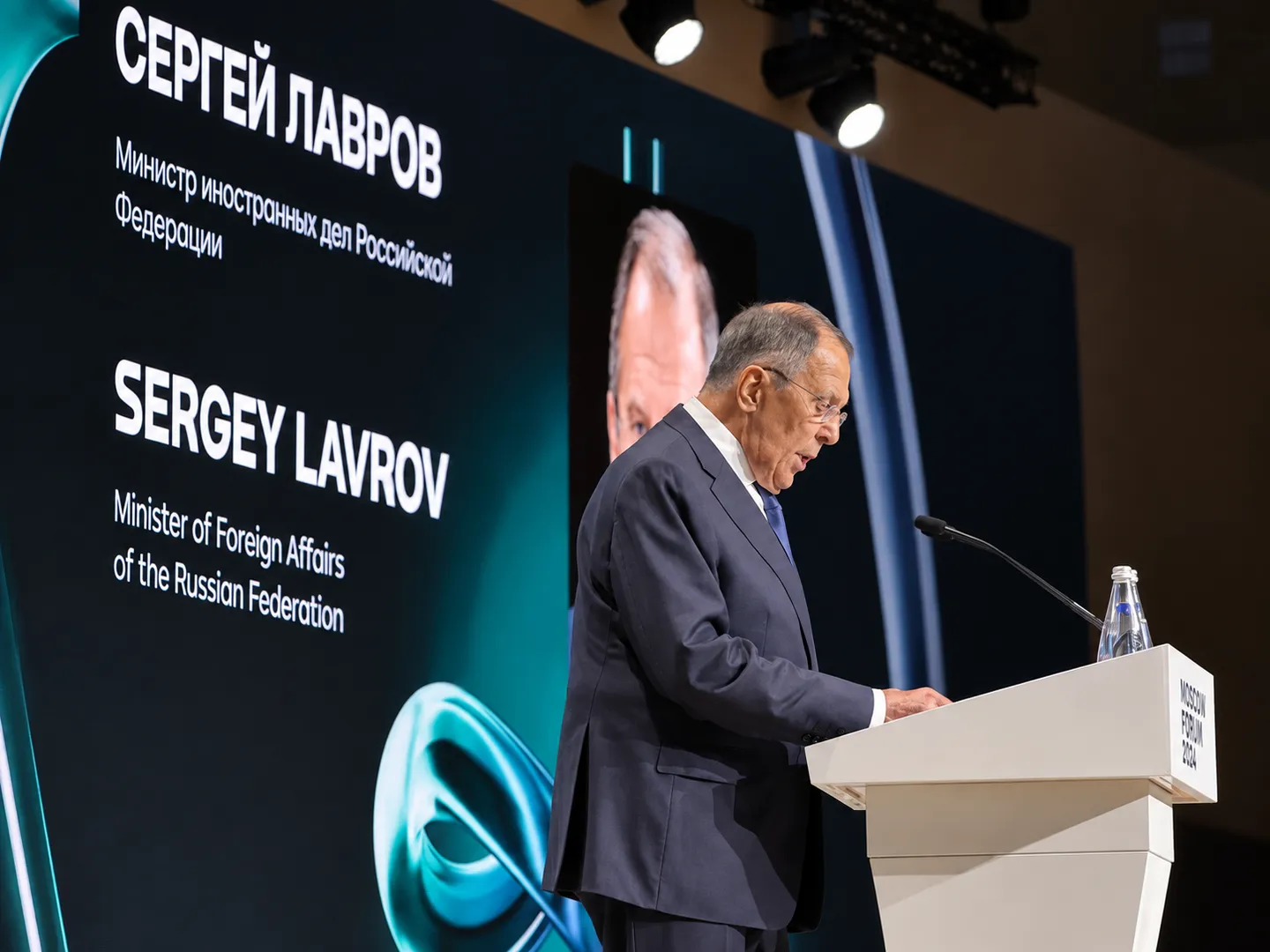
Eurasia's logistics system is facing an alarming trend — key international transport corridors are losing their balance. According to the data announced by KSTP Secretary General Mikhail Goncharov at the TransRussia Summit, the level of flow balancing in 2025 has collapsed to a critical 12%. This means that most routes are overloaded in one direction and idle in the opposite direction, creating both economic and organizational losses.
Goncharov stressed that in conditions of "stable uncertainty," companies must develop flexible thinking and be able to adapt to sudden changes. Among the proposed solutions is rethinking the operation of transport arteries. The expert recalled that the main task of any corridor is not just to exist on the map, but to actually work for the business. The example of the Northern Corridor is significant: despite the formal growth in volume, its practical effectiveness remains low due to its initially small scale.
To increase the productivity of logistics routes, KSTP proposes to introduce a transparent end-to-end tariff model, synchronize traffic schedules and simplify border crossing procedures. Cargo safety and security remains the number one priority among consumers. Equally important is financial support — a single platform for lending, insurance, and payments.
In response to the challenges of the industry, KSTP is actively promoting two major areas. The first is analytics and strategic forecasting. A large-scale initiative, the Eurasian Logistics Foresight, is already being implemented, in which leading universities and analytical centers assess the impact of geopolitics and economics on the logistics of the future. The first results of this project will be presented in Dubai in December 2025.
The second direction is the development of scenario thinking, that is, the ability to model in advance and promptly respond to "black swans" — unlikely but devastating events. To help this approach, the Help Desk service and the Task Force task force are being launched, which will solve critical situations, such as downtime at the border due to lack of documents.
The situation is also aggravated by shifts in the timing of the construction of new logistics facilities: as it became known, Russian Railways will postpone the commissioning of the third stage of the Eastern landfill for one to two years. All this suggests that logistics requires not cosmetic improvements, but systemic transformations.