




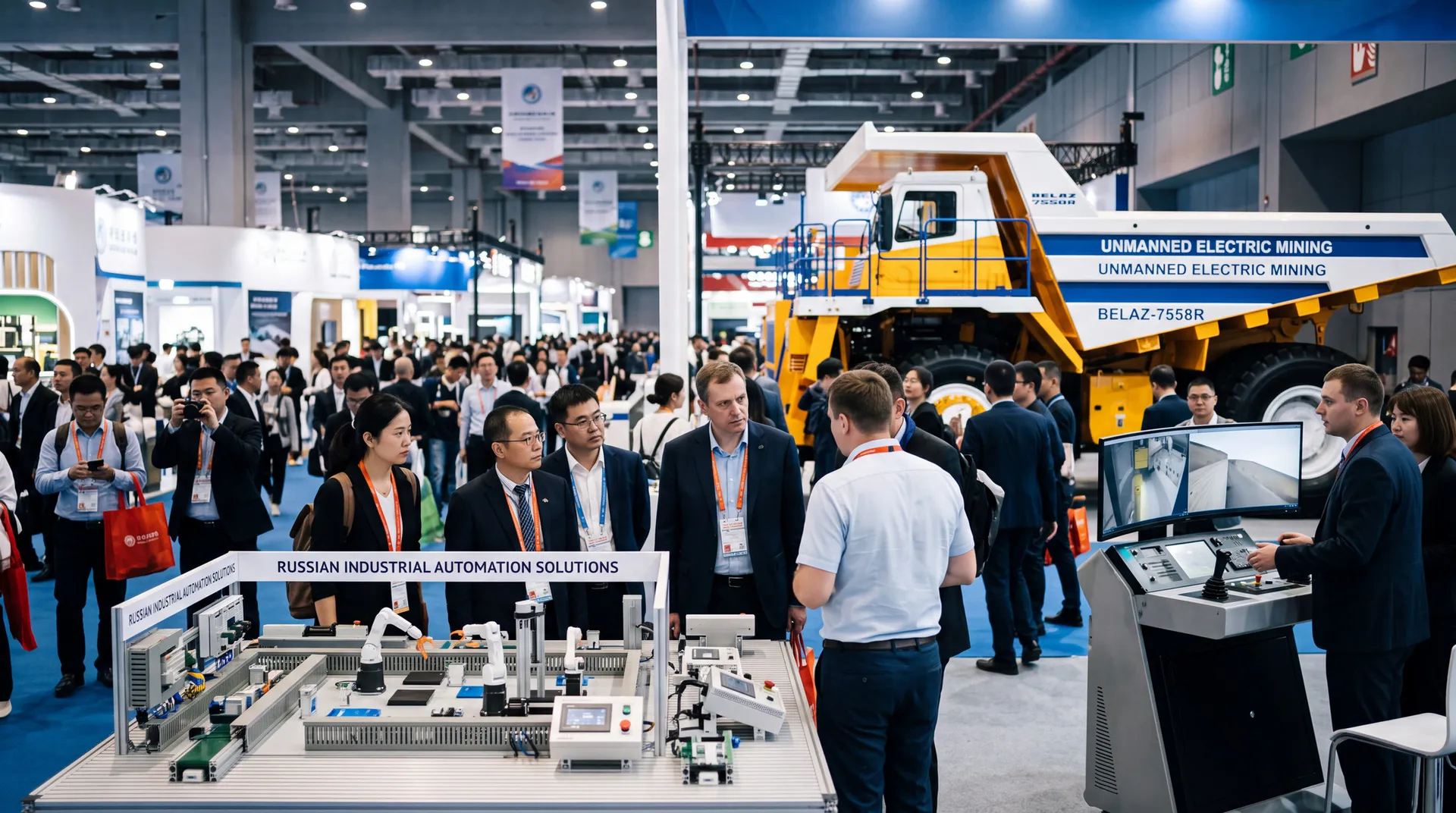
4,142 foreign companies occupied 440,000 square meters of exhibition space — both figures were record highs in the nine years of CIIE's existence. Russia, Belarus, Kazakhstan, Moldova and other Eurasian countries are preparing the largest national expositions in the history of the exhibition.
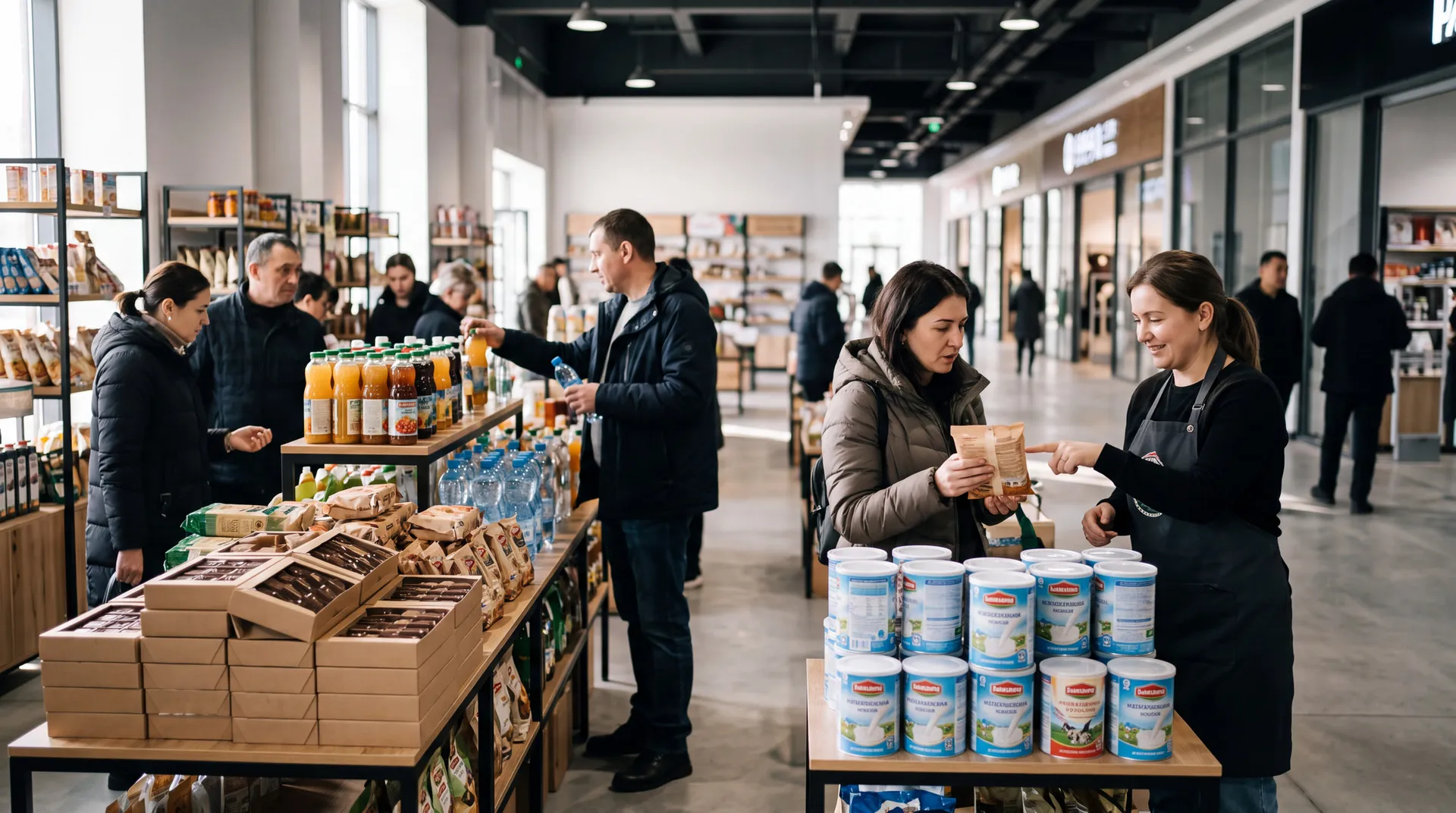
This year, the Russian pavilion has gone beyond the food range. Along with buckwheat noodles, cornflakes, vegetable drinks and sunflower oil, which are consistently in demand among Chinese customers, solutions in the field of industrial automation, medical equipment and green technologies are presented. The Belarusian delegation relied on mechanical engineering: BelAZ shows unmanned and electric mining machines, MAZ, Gomselmash and Belgee demonstrate flagship production facilities.
Moldova will receive a separate national pavilion for the first time. In May 2026, Deputy Prime Minister and Foreign Minister of Moldova Mihai Popsoi stated:
"CIIE serves as the most important bridge for strengthening friendship between the peoples of Moldova and China and helps Moldovan enterprises to explore the Chinese market."
According to him, the goal of the participation is to bring high—quality Moldovan agricultural products to the tables of millions of Chinese families.
The trade context reinforces the commercial interest in the exhibition. In January–July 2026, the Russian-Chinese trade turnover amounted to $159.2 billion, an increase of 26.3% compared to the same period last year. The historical record may be updated by the end of the year.
The digital direction becomes a separate track. Eurasian brands, including the "Made in Russia" line, are developing pavilions at Tmall and JD.com and they are connecting Chinese streaming platforms for promotion. In August 2026, China and Kyrgyzstan agreed to develop cross-border e—commerce; a memorandum of cooperation in the field of e-commerce with Kazakhstan was signed at the 2nd China-Central Asia Summit.
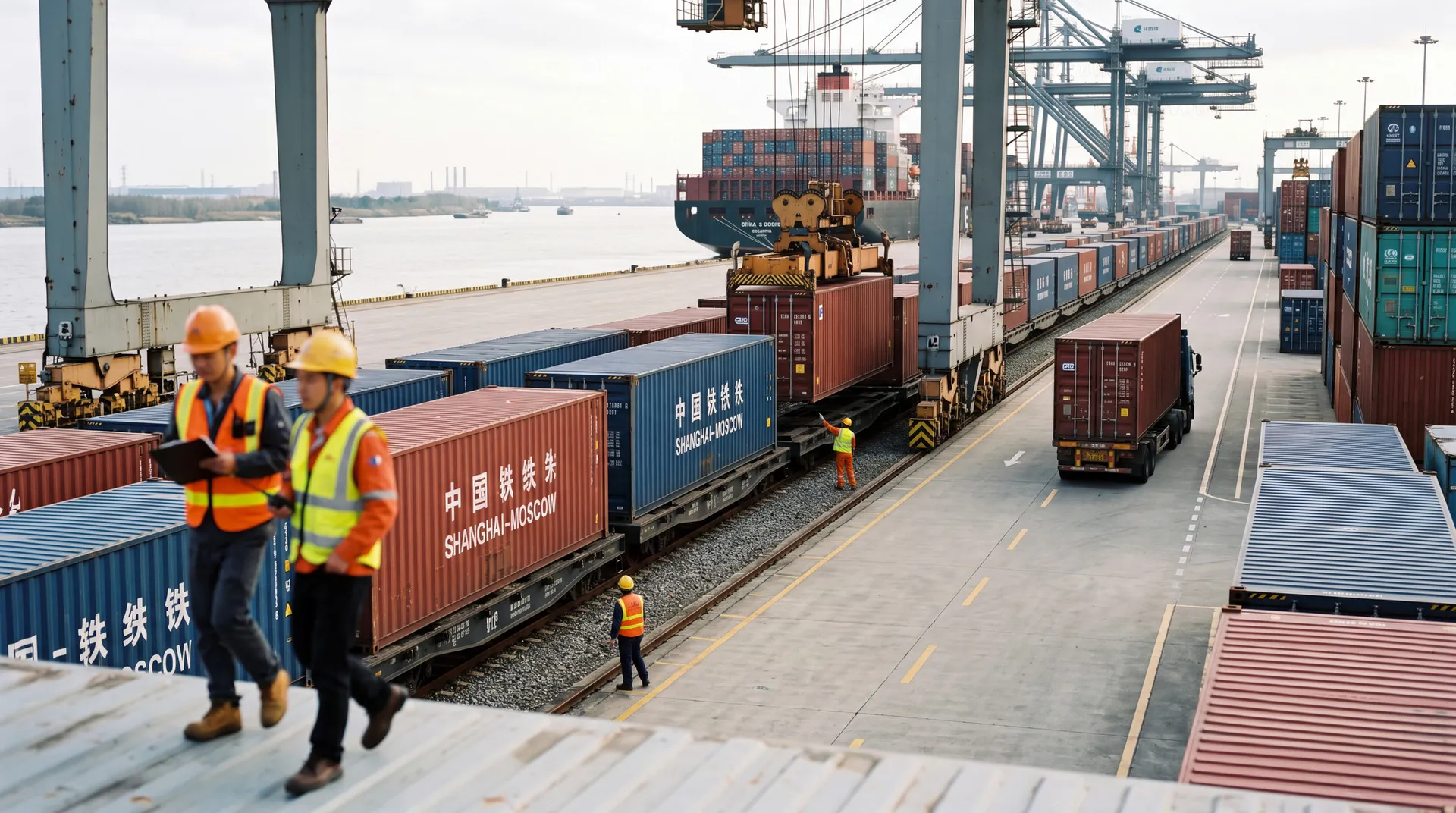
Logistics is solved in parallel with trade. During the 9th CIIE, it is planned to sign memoranda on the establishment of joint multimodal distribution centers and on the launch of a "green corridor" regime for accelerated customs clearance of agricultural products. For exporters who already supply goods to China, this is a direct signal: the infrastructure for regular shipments is being formed right now, and negotiations on the CIIE site are a working way to get into the first wave of participants in new schemes.
Kyrgyz honey producer Dary Tien Shan participates in the exhibition for three years in a row and consistently expands its distribution. Georgian winemakers use CIIE to enter large Chinese retail chains. Belarusian dairy and meat industry companies call the site the main place for concluding contracts with Chinese importers. The next CIIE will be held in the first year of China's 15th five-year plan for 2026-2030, which explicitly sets out the task of continuing to develop the exhibition.
Related news:
- 9th CIIE Exhibition in Shanghai: China opens imports to 180 countries — exhibition announcement and terms of participation for foreign companies
- The EEC studied the infrastructure of the China–SCO zone in Qingdao to enter the Chinese market — how to gain a foothold in the Chinese market without its own legal entity
- Canton Fair celebrates 70 years: 30,000 exhibitors and a record for green goods is another major platform for finding partners in China
- Russia and China have consolidated a customs cooperation plan until 2027 — what is changing in the customs cooperation between the two countries