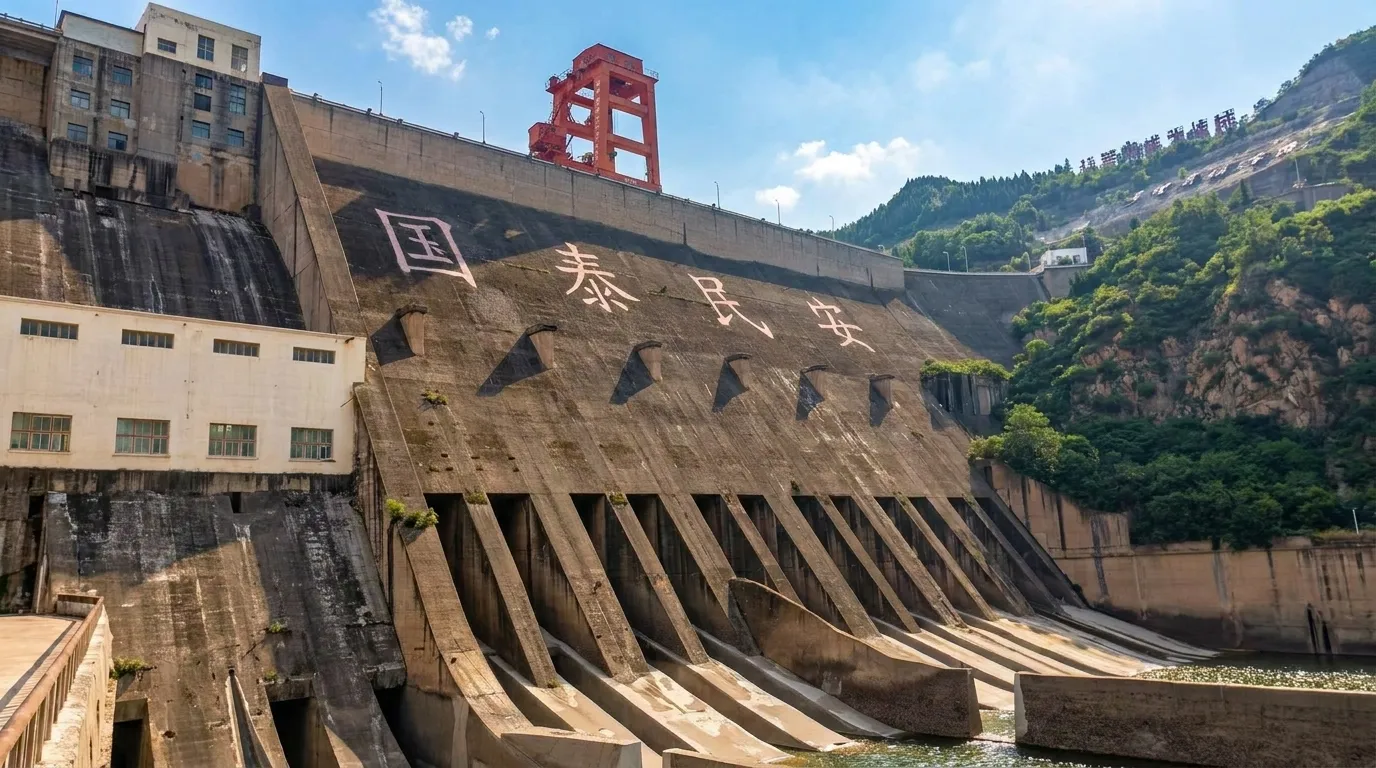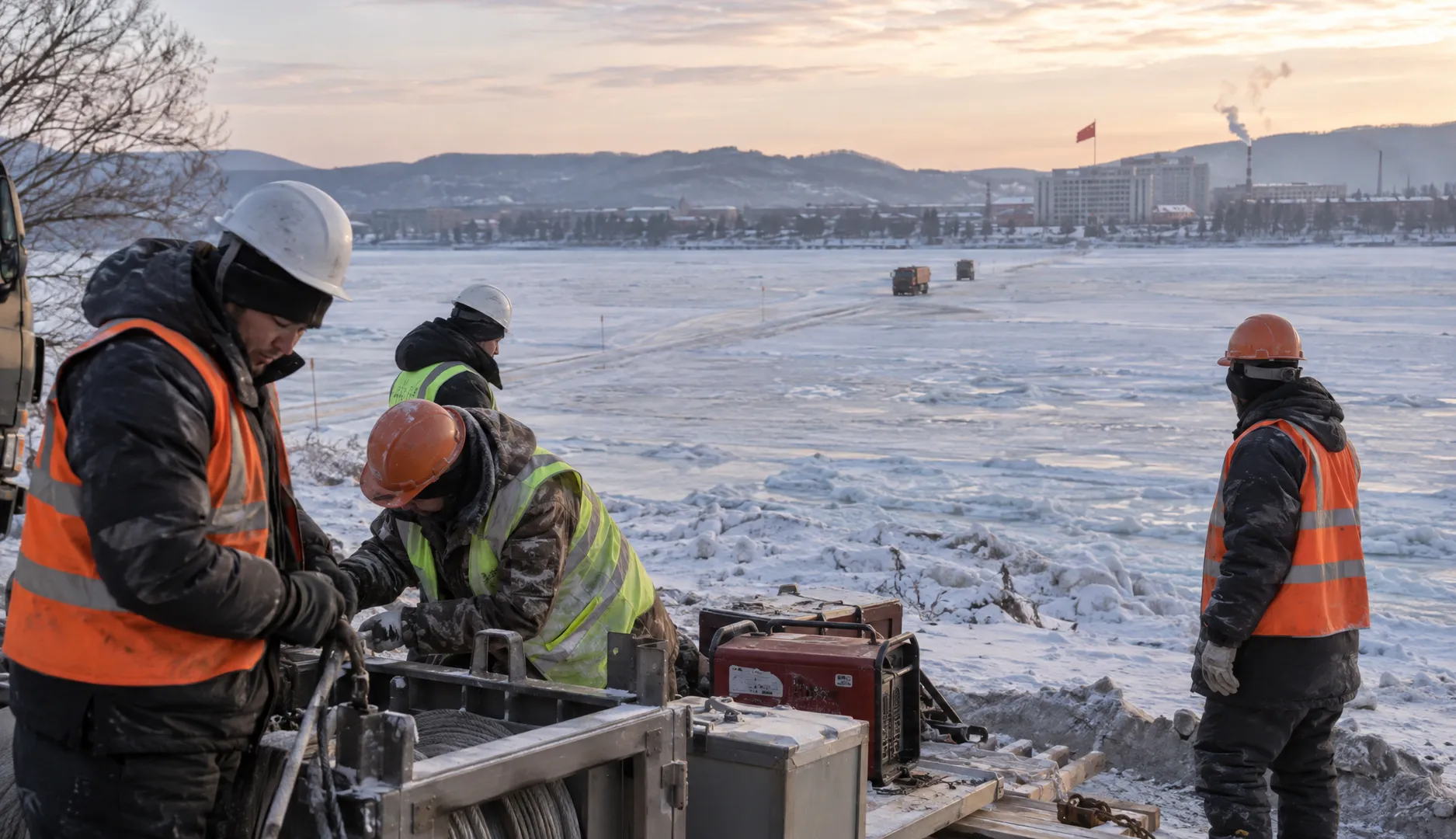
The pontoon crossing over the Amur River in the area of Jalinda will operate according to a mixed scheme: in winter — an ice crossing, in summer — ferries, during periods of ice and freezing the crossing will be closed. Cargo to the border is planned to be transported by rail to the Skovorodino station, where they will be reloaded onto road transport. After the repair of the Skovorodino–Reinovo line is completed, the shoulder of the car will be reduced — delivery will last to the border area.
Jalinda operated until about the middle of the 2000s, then it was mothballed due to low cargo turnover. It was planned to resume transportation in early 2026, but it was not possible to meet the deadline. The Chinese side was ready to receive cargo back in the fall of 2025; the delay is likely due to the unavailability of the infrastructure on the Russian side.
The deconservation of the crossing is due to its role in the Mohe–Naiba transport corridor project. The agreement on the creation of the corridor has already been signed. The route will connect the Chinese Mohe with the port of Naiba on the Arctic coast of Russia, reducing the distance for Yakutia to transport raw materials and goods to China by about 2,000 km. At the same time, China will receive land access to the Northern Sea Route.
One of the key facilities of the corridor will be the combined Jalinda-Mohe automobile and railway bridge. It provides for the construction of two checkpoints — automobile and railway. The bridge is expected to open in the first half of the 2030s. Until then, the ferry will operate in a multimodal format.
The corridor includes the construction of a railway line with a length of about 1,300 km — from Nizhny Bestyakh to the future port of Naiba. The exact timing of the entire project has not yet been determined.
For participants of foreign economic activity working with Yakut raw materials or organizing transit through the northeastern regions of Russia, Jalinda in a test mode will become an additional, albeit seasonally limited, route option to China. Full loading of the crossing will be possible after the bridge is put in place and the repair of the railway line is completed.
Related news:
- Reconstruction of the Markovo DAPP on the border with China: opening dates unknown — what about the reconstruction of the Markovo DAPP in Primorye
- Zabaikalsk MAPP: reconstruction by 2030 and queues of up to 20 km are already underway — the timing of the reconstruction of Zabaikalsk MAPP
- Service center for Russian-Chinese foreign economic activity for 416 services opened in Heihe — service center for Russian-Chinese foreign economic activity in Heihe
- How logistics works between Russia and China — how routes and customs work between Russia and China