The Ministry of Transport predicts an increase in the capacity of Russian ports by more than 200 million tons by 2030
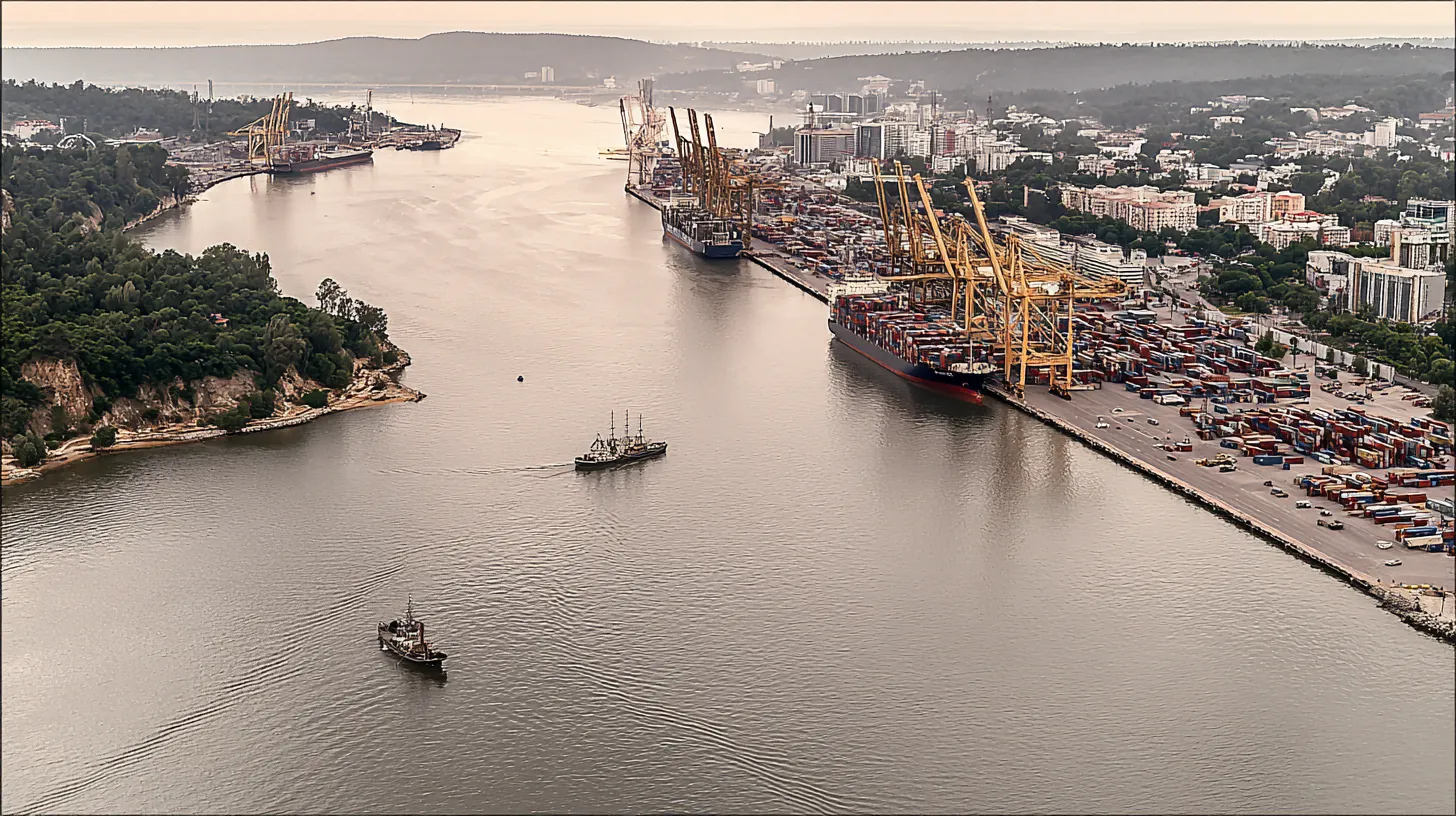
The Russian Ministry of Transport expects a large-scale expansion of the capacity of Russian seaports in the next five years. According to a presentation presented by Deputy Minister of Transport Alexander Poshivai at the Transport of Russia forum, by 2030, the capacity of ports in the Eastern direction will increase by 115 million tons, reaching 420.3 million tons.
The development of the port infrastructure is a key element of the national project "Efficient Transport System". According to the Ministry's estimates, the total increase in capacity of all marine destinations from 2025 to 2030 will exceed 200 million tons. Some of the projects are implemented at the expense of extra-budgetary investments, which makes it possible to accelerate modernization without significant burden on the budget.
Alexander Poshivai clarified that the development will affect several port zones at once. In the North-Western direction, capacity is expected to increase by 66.2 million tons to 589.3 million tons. The Azov-Black Sea basin will increase cargo handling capacity by 38.6 million tons, reaching 485.1 million tons. An additional increase is envisaged for the North—South corridor, where capacity is expected to increase by 5.3 million tons to 24.3 million tons.
The Ministry notes that the port infrastructure expansion program is strategically important for strengthening export logistics, developing Russia's transit potential and redistributing trade flows amid increased demand for eastern routes. The significant interest in the ports of the Far Eastern direction is explained by the growth in traffic volumes to the Asia-Pacific countries, as well as the continued reversal of foreign trade towards Asian markets.
Poshivai stressed that most of the activities are already under implementation.: New terminals are being built, existing facilities are being upgraded, railway approaches are being expanded and the depth of the water areas is increasing. All this will allow ports to receive a larger number of vessels, including large-tonnage ones, and increase the efficiency of cargo handling.
Thus, Russia plans to significantly strengthen its logistics capabilities and ensure the sustainable development of its maritime infrastructure against the backdrop of changing global transport routes and the growing role of the eastern direction.