February showed a new benchmark for foreign trade payments: the ruble gained a foothold as the main instrument for calculating imports from Asian countries, reaching a share of 54%. In practice, this means that more and more contracts are being closed in the national currency, and the currency "layer" in the form of third currencies is used less frequently or pointwise, where required by the supplier, correspondent bank, or financing conditions.
For businesses in logistics and foreign economic activity, the shift is important not as a beautiful percentage, but as a change in operational processes. The first is the payment infrastructure. Ruble settlements simplify some of the compliance, speed up approvals and reduce "losses" on conversions, but at the same time increase the requirements for the quality of ruble liquidity from banks and for payment schedules for shipment schedules. The second is pricing. If the contract is denominated in rubles, the supplier begins to include currency risk in the price or asks for a floating formula. This should be taken into account when bidding and comparing offers.
The third is risk management. The transition to the ruble does not eliminate volatility: it is simply transferred to the mechanism of recalculation, the timing of price fixing and the terms of prepayment. Importers are increasingly interested in short price fixes, batch splitting, and combining tools: partial prepayment, postpaid, factoring, and bank guarantees. This is especially noticeable in segments where the supply cycle is long — sea and rail routes, multimodal chains through large hubs.
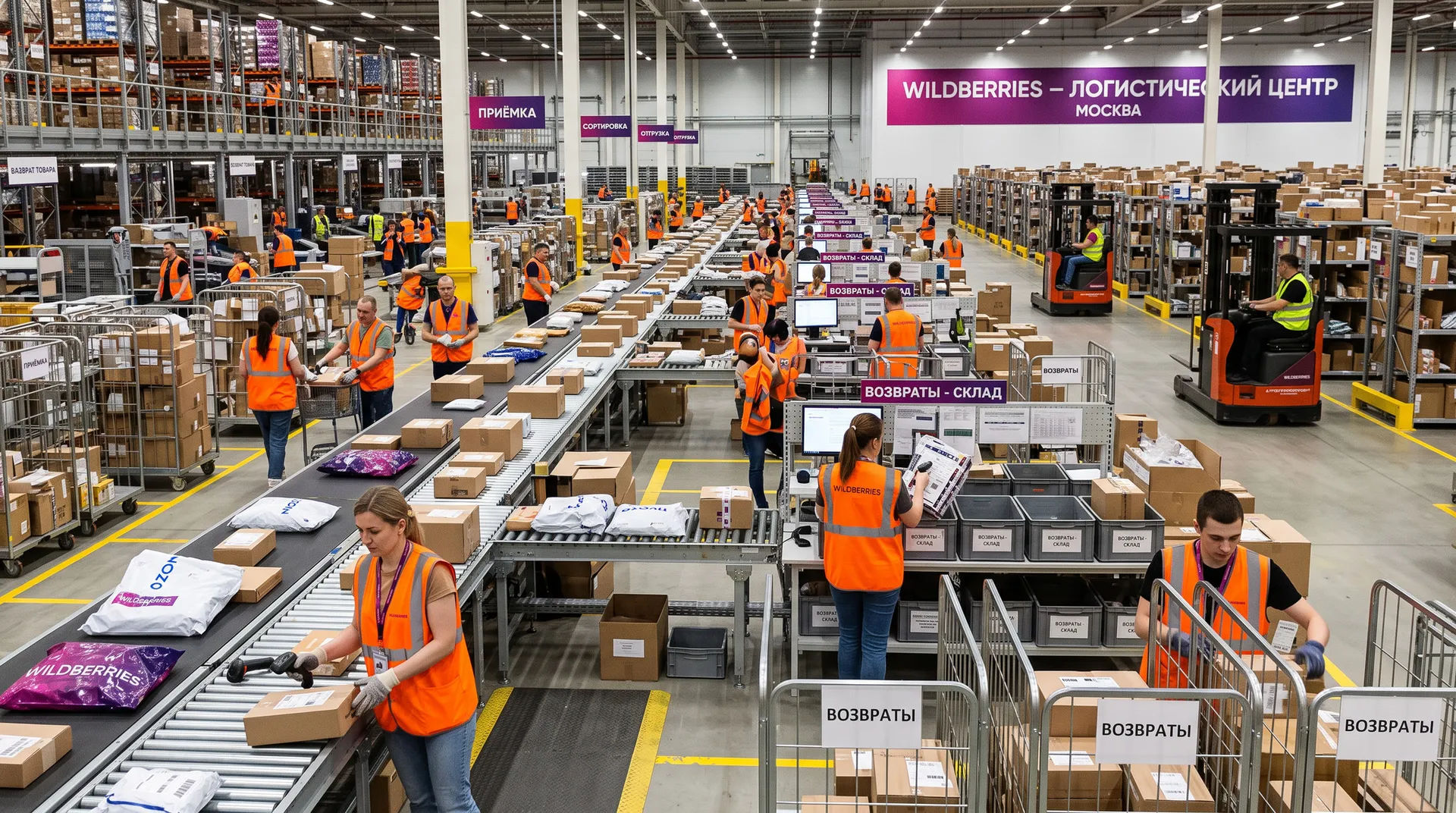
The fourth is the impact on marketplaces. When purchases are made "quickly and frequently," payment discipline becomes a competitive advantage.: stable ruble payments allow you to replenish the warehouse faster, keep the assortment and reduce the risk of stop sales due to payment delays. But this requires clear regulations on reconciliation of supplies, deadlines for closing acts and control of exchange rate reservations, if they are embedded in the contract.
If the trend continues, the market will receive a more predictable payment connectivity with Asian partners. For importers, this is a chance to optimize costs, and for logistics and financial services providers, it is an opportunity to offer package solutions: ruble payments + document control + delivery support in a single loop.