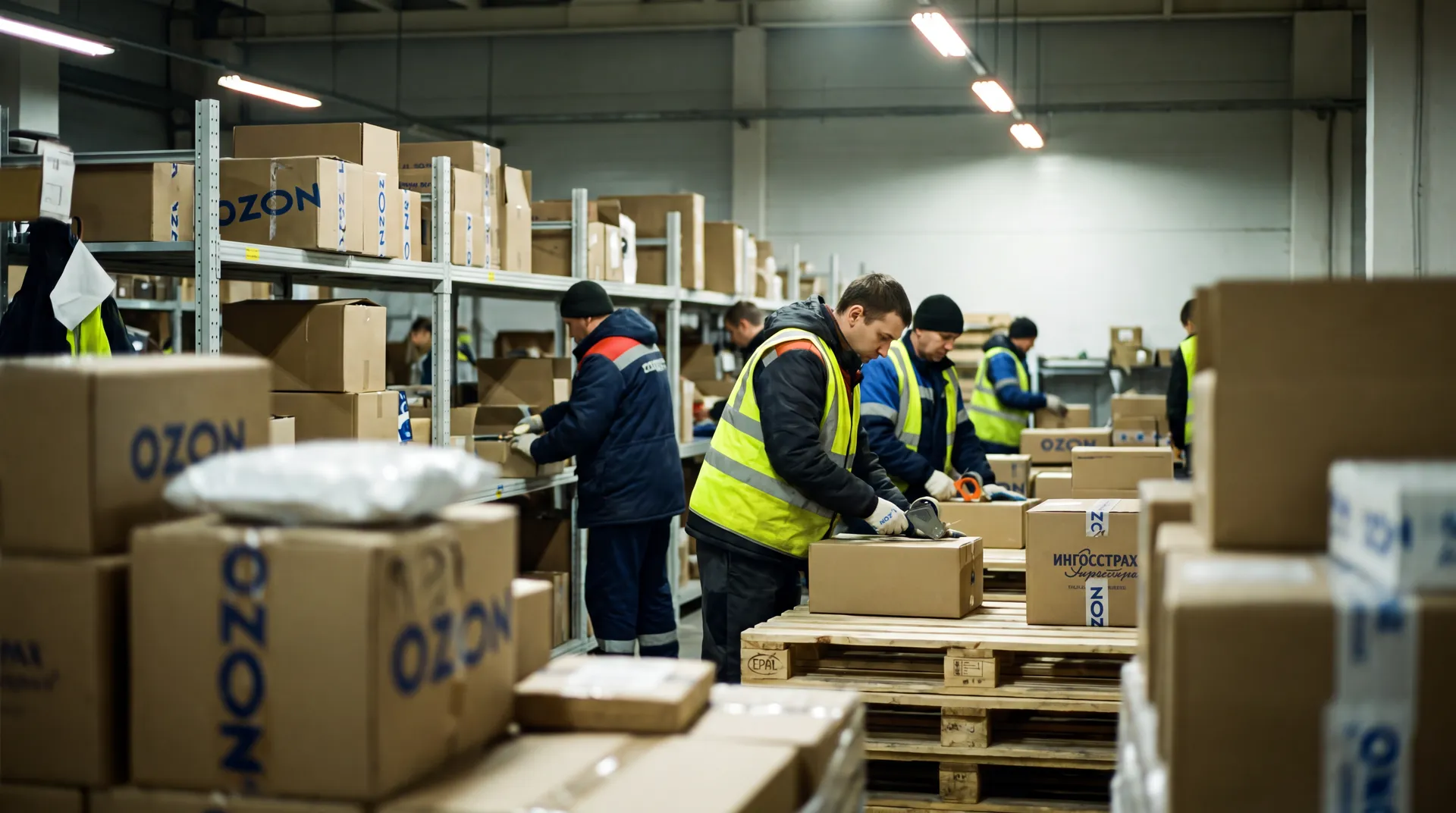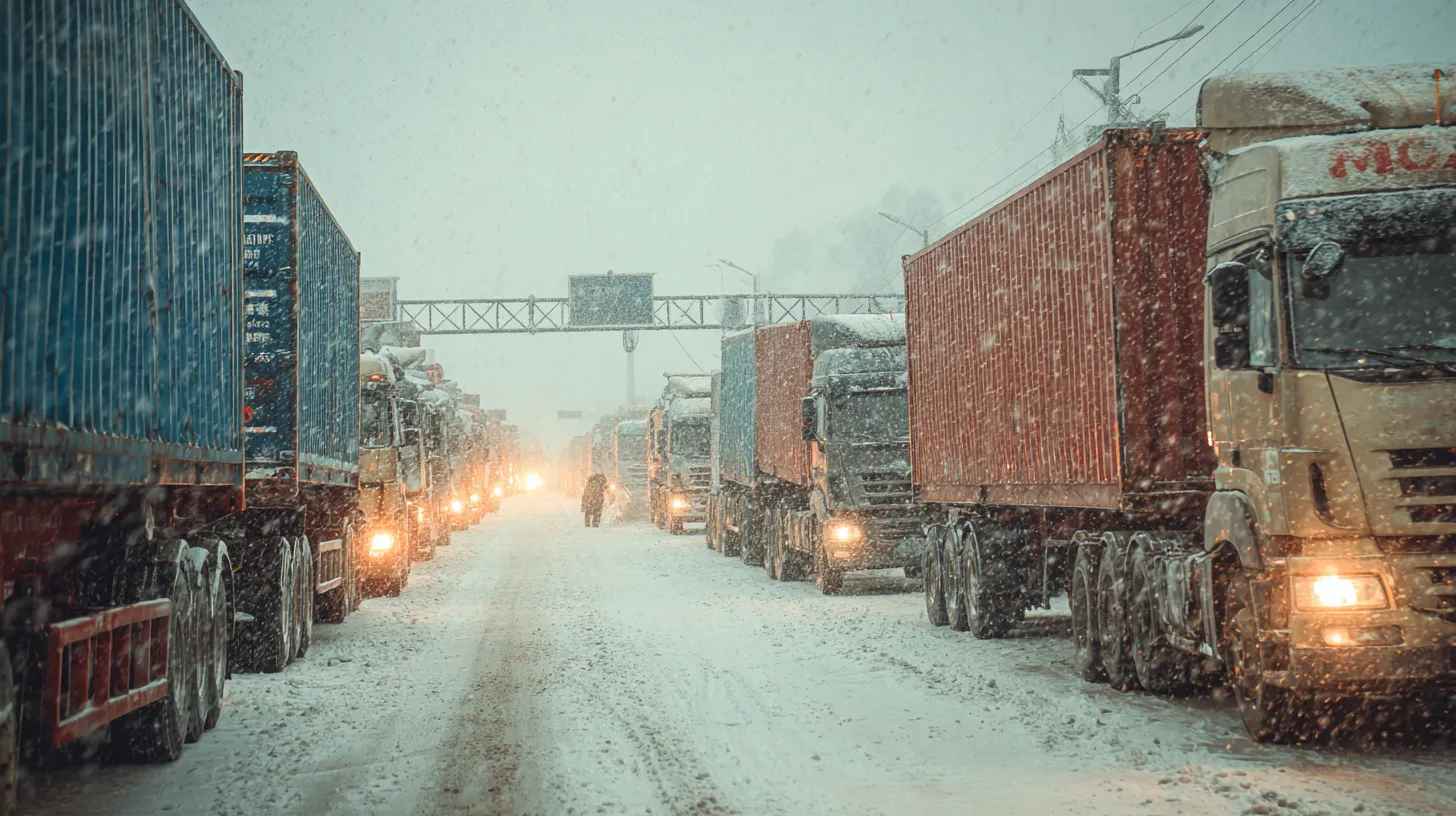
In the fall of 2025, an unprecedented disruption occurred in the logistics supply chain from China to Russia. Thousands of trucks with goods for marketplaces and retail are stuck on the border with Kazakhstan. The reason is the massive blocking of "gray" cargo schemes, which previously provided inexpensive and fast delivery. For small businesses, this has resulted in the threat of losing the New Year's season and multimillion-dollar losses.
The problem is based on opaque routes and the lack of uniform rules of the game. According to unofficial information, since October 10, the authorities have launched a campaign to tighten control over gray imports. Cars are massively searched and detained at the entrance to the Russian Federation and within the country. Formally, the reasons for the delays are not mentioned, but market participants are confident that a course is underway to "whitewash" logistics and close schemes that allow tax evasion.
The main threat to entrepreneurs is not only losses from frozen goods, but also the lack of protection mechanisms. One undeclared product can block the entire truck, including completely legal shipments. At the same time, insurance issued for cargo delivery does not work - the situation is treated as force majeure.
Businesses are massively looking for alternatives: some are reorienting to Ussuriysk, others to TIR routes, but all options are either more expensive or longer. As a result, more and more entrepreneurs are thinking about moving to the "white" zone, despite the rising costs. According to experts, with an increase in the batch volume to 2 million rubles, the increase in price is no longer threefold, but about 50%, and with large shipments — only 25-30%.
By 2026, stricter rules are expected: it will be necessary to specify customs declarations for marketplaces, and transit control through the EAEU will increase. This means the withdrawal from the market of thousands of sellers who worked "in the gray zone." Only those who are ready to rebuild and work through official channels will be able to stay.
A new era is dawning — transparent, digital, and predictable trade with China. Old schemes are losing relevance, and trust and legality are becoming the main currency of foreign economic activity.