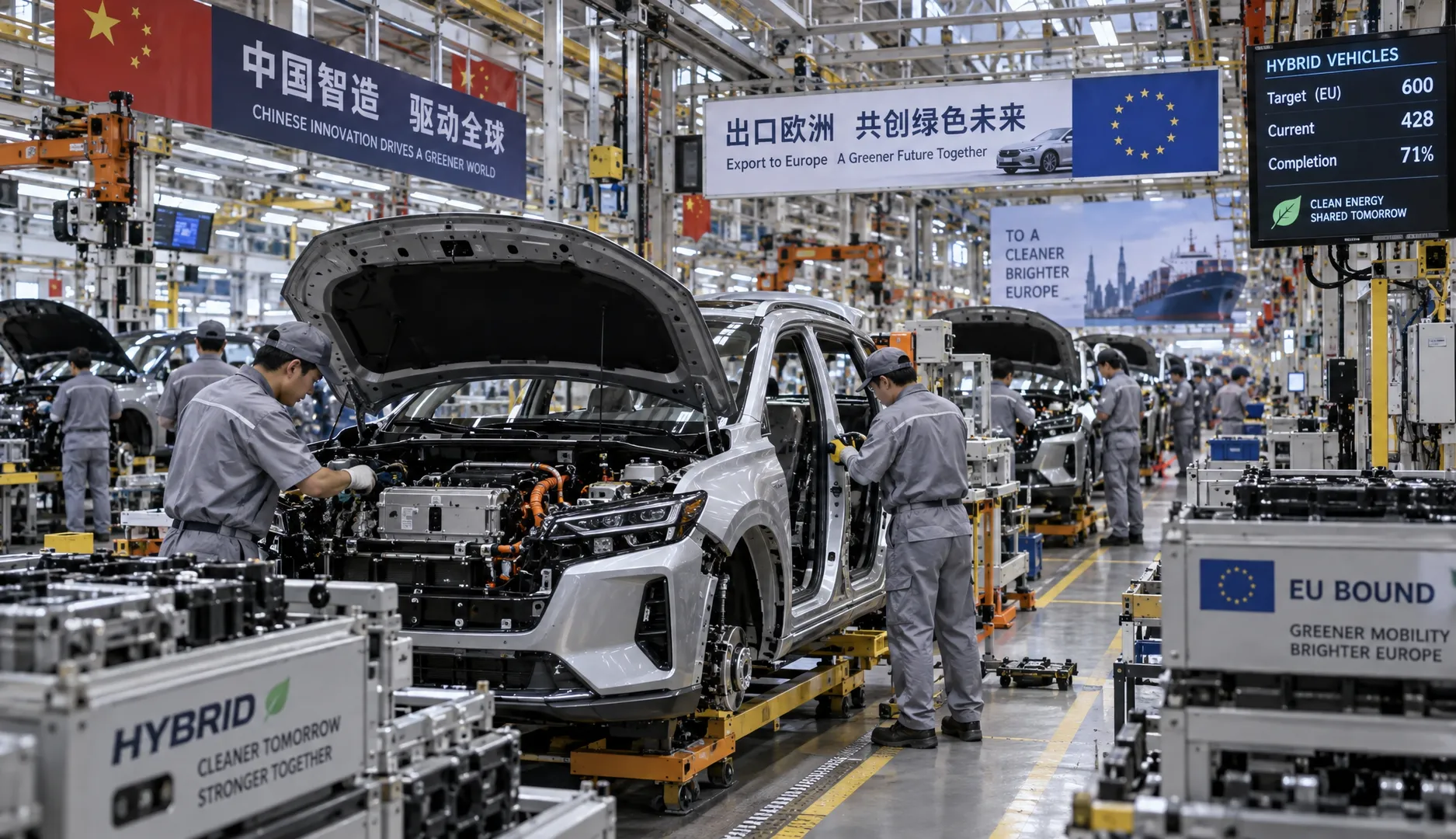
The quota for China is calculated based on the actual volume of imports — 302,000 vehicles for 2025. The annual equivalent of 350,000 units exceeds the quotas allocated to any other supplier. For comparison, the European Commission's initial proposal called for only about 70,000 hybrids per year for China, compared with 257,000 for Japan over the same period.
During the negotiations, the EU demanded that China introduce voluntary export restrictions. Beijing refused, citing WTO rules, and insisted on considering the issue within the framework of this organization. The three principles of the Chinese side — compliance with facts, non—discrimination and compliance with WTO rules - were eventually fixed in the final quota parameters.
On the day the decision was announced, the Chinese Ministry of Commerce called on Brussels to "faithfully abide by the consensus reached between the two sides." Beijing also said it would monitor the progress of the subsequent EU investigation and reserves all rights, including recourse to the WTO dispute settlement mechanism and the demand for trade compensation.
The measures taken are preliminary and are valid for 200 days. The final decision will depend on the results of the ongoing investigation by the European Commission. For exporters and logistics operators working on the China—EU route, this means continued uncertainty: the volume of supplies is formally limited, and the rules of the final phase have not yet been fixed.
In parallel with the restrictions on hybrids, previously imposed tariffs on electric vehicles from China are in effect. The EU has consistently expanded protective measures to cover the entire segment of Chinese new energy vehicles. At the same time, European manufacturers are increasing sales of electric vehicles in the Chinese market: Volkswagen delivered 28,000 electric vehicles in China in October this year, 4.5 times more than a year earlier. Model ID.The AURA T6 has become the sales leader in the mid-size electric SUV segment with over 12,000 units per month.
In October, at the second meeting of the consultative mechanism, the parties recorded 16 specific points of consensus. The hybrid quota agreement was the next step in this process. China also signed a protocol with Switzerland on updating the free trade agreement and extended mutual tariff benefits with Canada, both steps Beijing cites as an example of the effectiveness of the dialogue.
For Russian importers of Chinese cars, the situation is indirectly important: quotas in the European direction redistribute some of the production capacity and may affect the availability of models and delivery times to alternative markets, including Russia and the EAEU. Exporters using European transit to re-export Chinese hybrids will face additional restrictions in the coming months.
Related news:
- China reduces VAT refund on electric vehicle exports from 13% to 9% from April 2027 — China reduces export VAT refund for electric vehicles
- The Ministry of Industry and Trade may reduce the discount on electric vehicles from 35% to 10% — discount on electric vehicles in Russia
- Kyrgyzstan has closed duty-free import of electric vehicles: what has changed since April 2026 — changes in the import of electric vehicles to Kyrgyzstan
- Preferential car recycling: 5 schemes that will make you pay 100 times more - how to calculate car recycling correctly