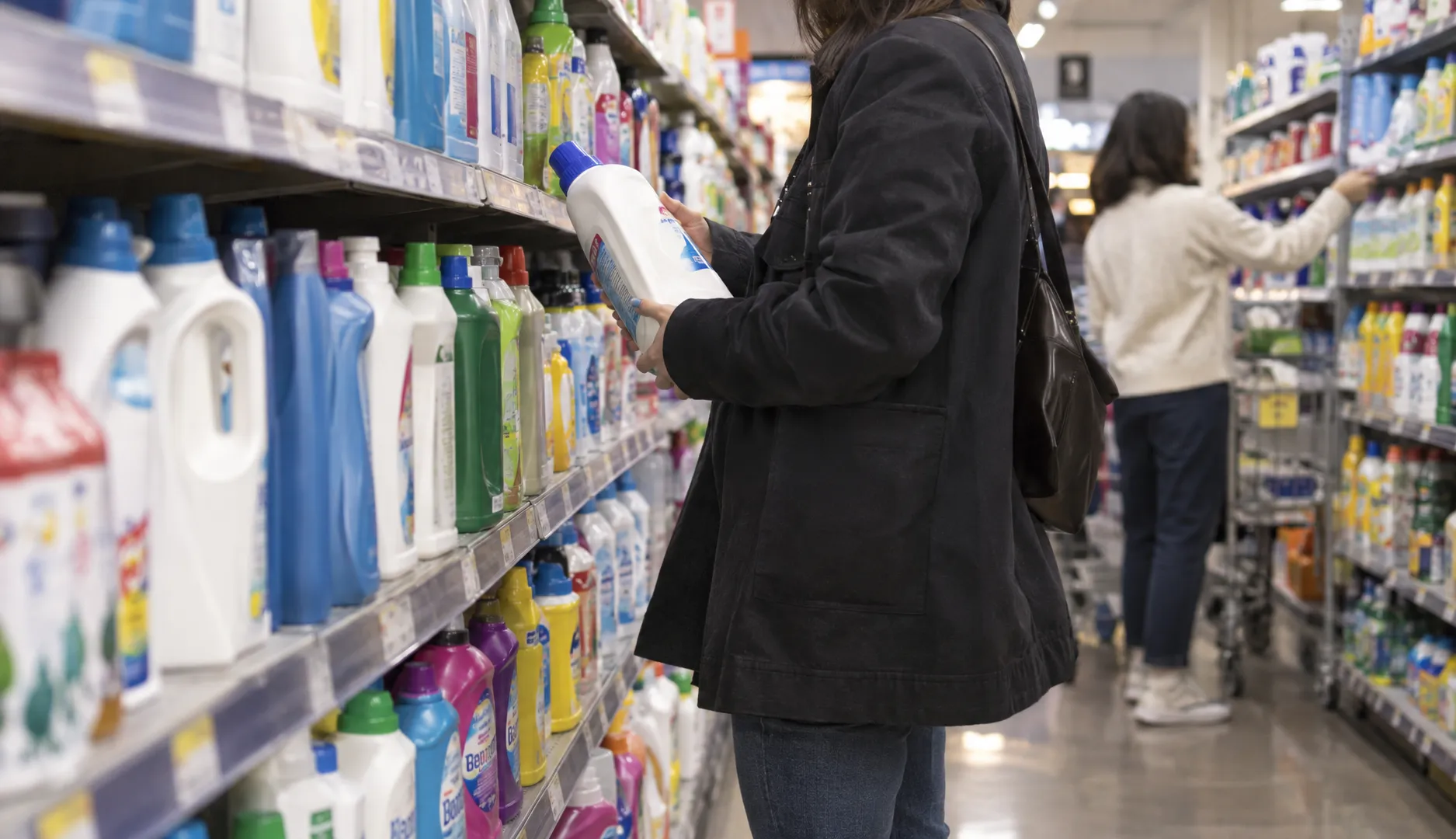
The regulations cover washing powders, dishwashing detergents, stain removers, automotive chemicals, and a wide range of hardware stores — virtually all products that consumers use daily for washing, cleaning, and caring for clothes, furniture, and cars.
The document establishes mandatory requirements for product safety, identification and labeling. Separate provisions are devoted to the classification of goods according to the degree of danger, criteria for determining hazardous properties and requirements for safety data sheets for chemical products. The safety data sheet should contain information about potential risks, precautions for use, storage and transportation, as well as an algorithm for emergency response.
Two forms of assessment are provided for conformity assessment — declaration and certification. The specific form depends on the product category and the requirements set for it.
Despite the fact that the regulation has already been adopted, a number of its provisions will be finalized before coming into force. Kazakhstan will develop amendments that will affect terminology, safety requirements, labeling rules and conformity assessment procedures. The amendments and the regulations themselves will enter into force simultaneously on January 1, 2032. Until this date, manufacturers and importers will continue to work according to current national requirements.
For companies that supply products to several markets of the Union at once, the unification of requirements will reduce the cost of complying with different national standards. The unified standard will simplify customs clearance and preparation of technical documentation for parallel shipments to different EAEU countries.
When preparing for the transition, businesses need to take into account not only the original version of the regulations, but also the amendments that Kazakhstan will develop in the coming years. It is worth following the updates of the document starting now: the final requirements for labeling and conformity assessment may differ from the current version.
Related news:
- The EEC has approved the procedure for clarifications on the technical regulations of the EAEU — the procedure for clarifications on the technical regulations of the EAEU
- Labeling of household goods expanded from October 1, 2026 — labeling of household goods
- Starting from September 1, Rosstandart takes 300 items of the Customs Code of Foreign Economic Activity under supervision — which goods has Rosstandart taken under supervision
- Billions of mistakes: why narrow specialization kills foreign economic activity in the field of beauty and health — mistakes of importers of cosmetics and household goods