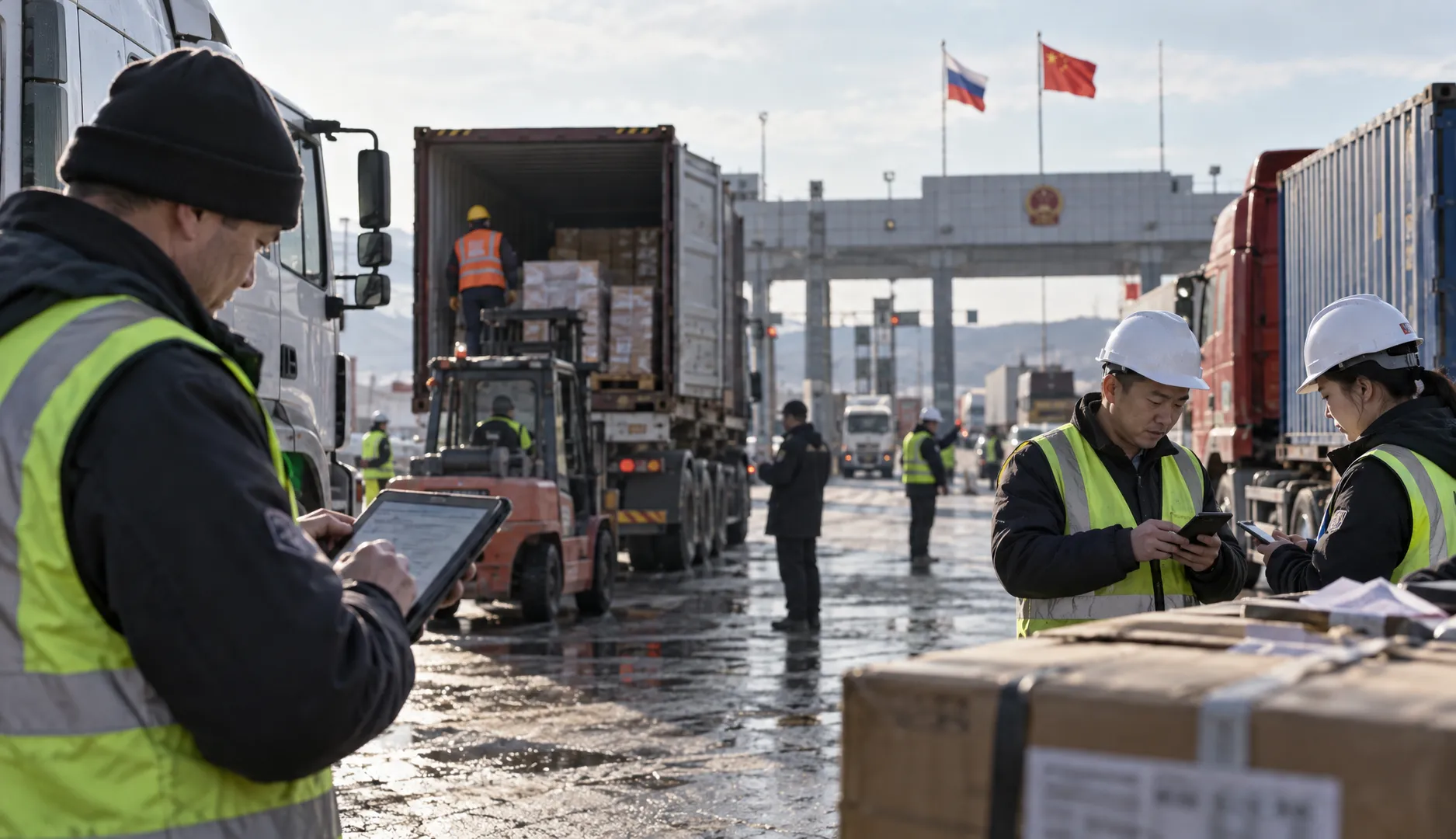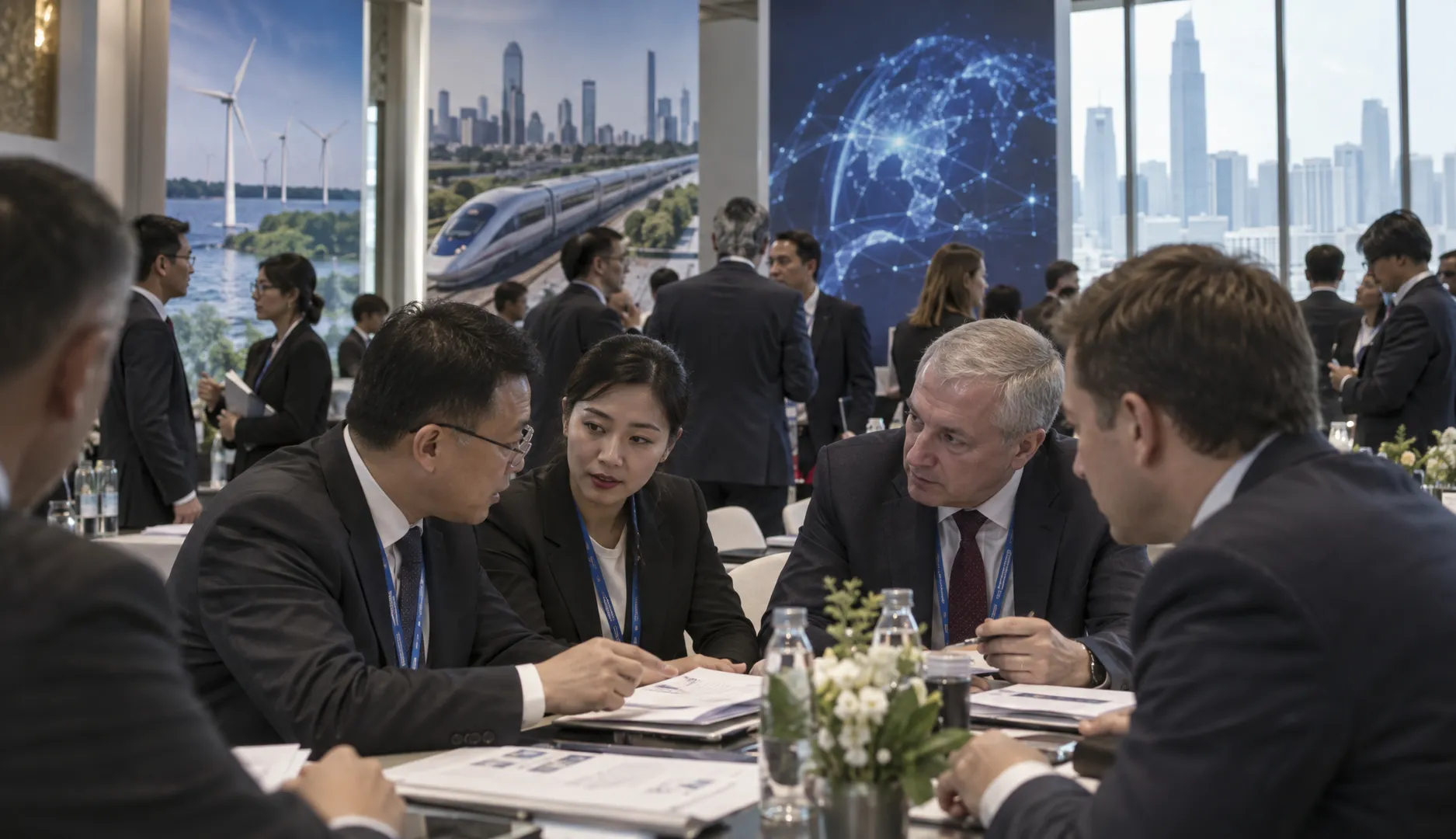
More than 300 events throughout China — this is the program of the PRC's APEC presidency in 2026. Shenzhen was chosen as the venue for the summit. The scope of the topics — energy, transport, digital economy — creates, according to the RASP, many entry points for businesses of all participating economies, including Russian companies.
Vitaly Mankevich, Chairman of the Russian-Asian Union of Industrialists and Entrepreneurs, described the evolution of China's role through three summits: Shanghai 2001, Beijing 2014 and the upcoming Shenzhen 2026. In 2001, the country, which had just joined the WTO, demonstrated openness to the rules of the global economy. By 2014, China was already ranked as the second largest economy in the world, and the Beijing meeting focused on promoting the concept of the "Asia-Pacific Community of Common Destiny" and the Belt and Road Initiative.
"Shenzhen 2026 is a qualitatively new stage. This is the third time that China has hosted the event, and now it is no longer just about participating in the agenda, but about actively contributing to its formation and institutionalization," Mankevich said.
The integration of the Belt and Road initiative with the Eurasian Economic Union is of practical importance for Russian business. RASP positions itself as an operator of specific projects in the non-resource sector, combining Chinese capital, Russian resources and markets of third countries.
"A partnership based on mutual trust, inclusivity and mutual benefit is not an abstraction. Together with our Chinese partners, we are not just declaring equal access, but creating mechanisms for Russian companies to integrate into regional value chains," Mankevich said.
Among the challenges for cooperation in the Asia-Pacific region, he called the growth of protectionism, disruptions in global supply chains, trade disputes and technological fragmentation. Under these conditions, APEC remains a platform where, according to him, "even competitors are forced to sit down at the negotiating table."
For the participants of the Russian-Chinese trade, the Shenzhen summit opens up a practical horizon: the transition from adaptation to Chinese initiatives to their joint design through the creation of bilateral platforms. The next step is to reach specific agreements on non—resource projects, which RASP expects to formalize by the end of 2026.
Related news:
- China's foreign trade grew by 31.2% in October 2026 — how China's foreign trade grew in October
- REC presented Russian design at CIIE in Shanghai: 63 manufacturers — Russian manufacturers at CIIE in Shanghai
- Russia's foreign trade in the first 9 months of 2026 increased by 13.9% to $576.2 billion — the results of Russia's foreign trade in 9 months
- The Federal Tax Service of Russia and the Tax Service of China signed a memorandum: what this means for importers and businesses with foreign economic activity — what the memorandum of the Federal Tax Service and the Tax Service of China means for importers