The Russian cargo transportation market is undergoing a transformation — now the quality of logistics depends not on fines, but on the introduction of digital solutions. With rising tariffs and a shortage of reliable carriers, companies are increasingly abandoning harsh sanctions in favor of more effective control tools such as TMS (Transport Management System).
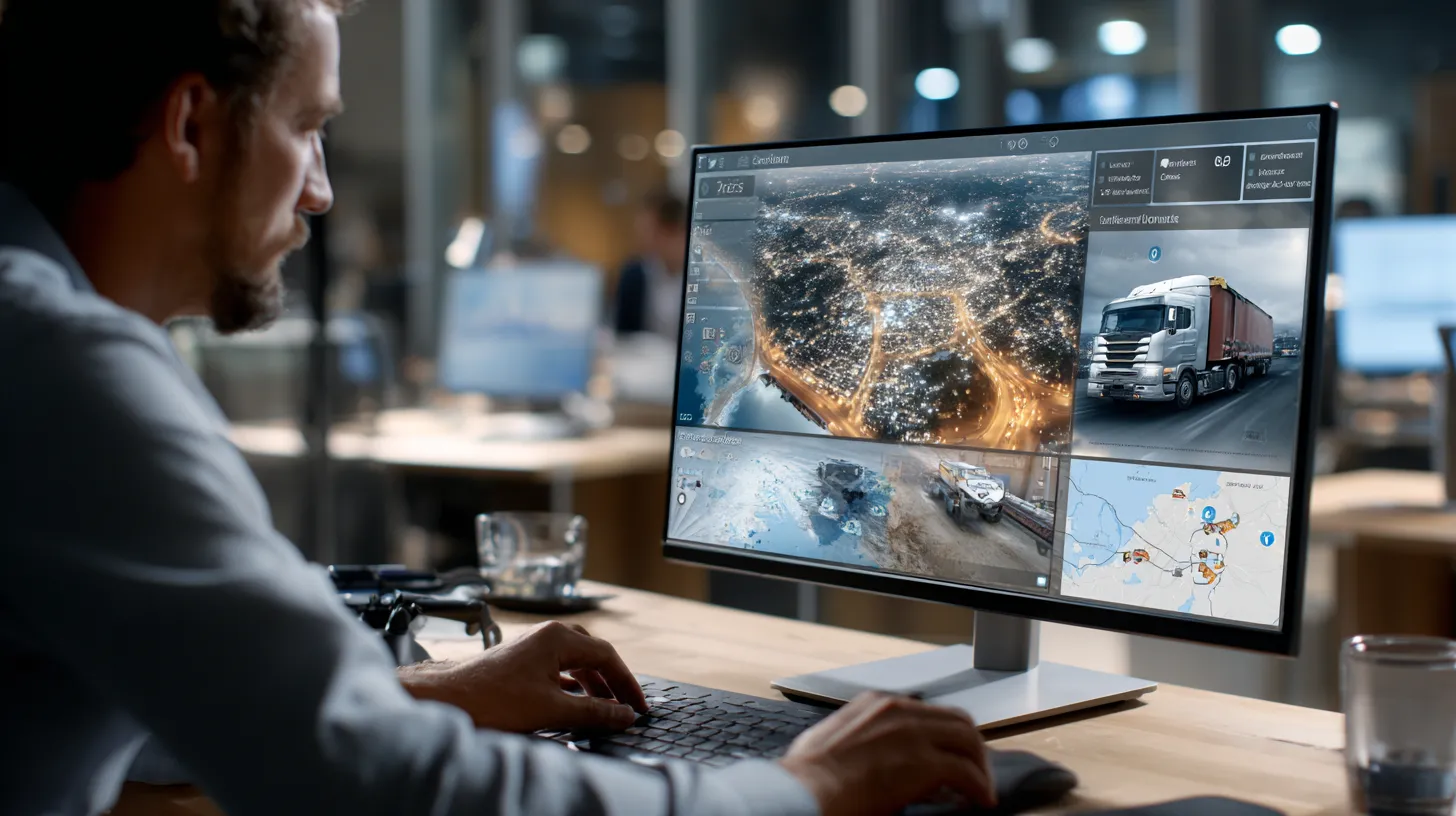
The key task is not just to fix the violation, but to prevent it. Modern systems allow you to track traffic in real time, compare its route with the planned one and, if necessary, promptly notify participants in the supply chain of possible deviations.
One of the common problems remains the late delivery of transport. The TMS system allows you to identify the risks of delays long before the car arrives at the place and prevent disruptions, rather than dealing with them after the fact.
Another important task is to monitor the integrity of the cargo. The integration of TMS with IoT sensors helps to monitor temperature conditions, humidity levels, and even movement inside the body. This is especially critical for pharmaceutical and grocery transportation.
Document management automation has also become a common practice — documents are generated and sent without human intervention, which reduces errors and speeds up calculations.
On the business side, there is another argument: the ability to optimize costs. Auction modules in TMS allow carriers to compete for flights, reducing the cost of services to a market minimum. In addition, the built-in contractor ratings help logisticians make decisions based on objective indicators.
However, the implementation of TMS requires efforts: from budget and deadlines to resistance from staff. Integration with ERP, WMS and other systems of the company is necessary. In addition, a high level of quality of the source data is important: without it, the effectiveness of TMS drops sharply.
Despite all the limitations, digital technologies are becoming an integral part of logistics. They not only simplify control, but also build transparent relationships between market participants. With the market coming back under the control of carriers, having a sophisticated digital system is becoming a competitive advantage for cargo-owning companies.