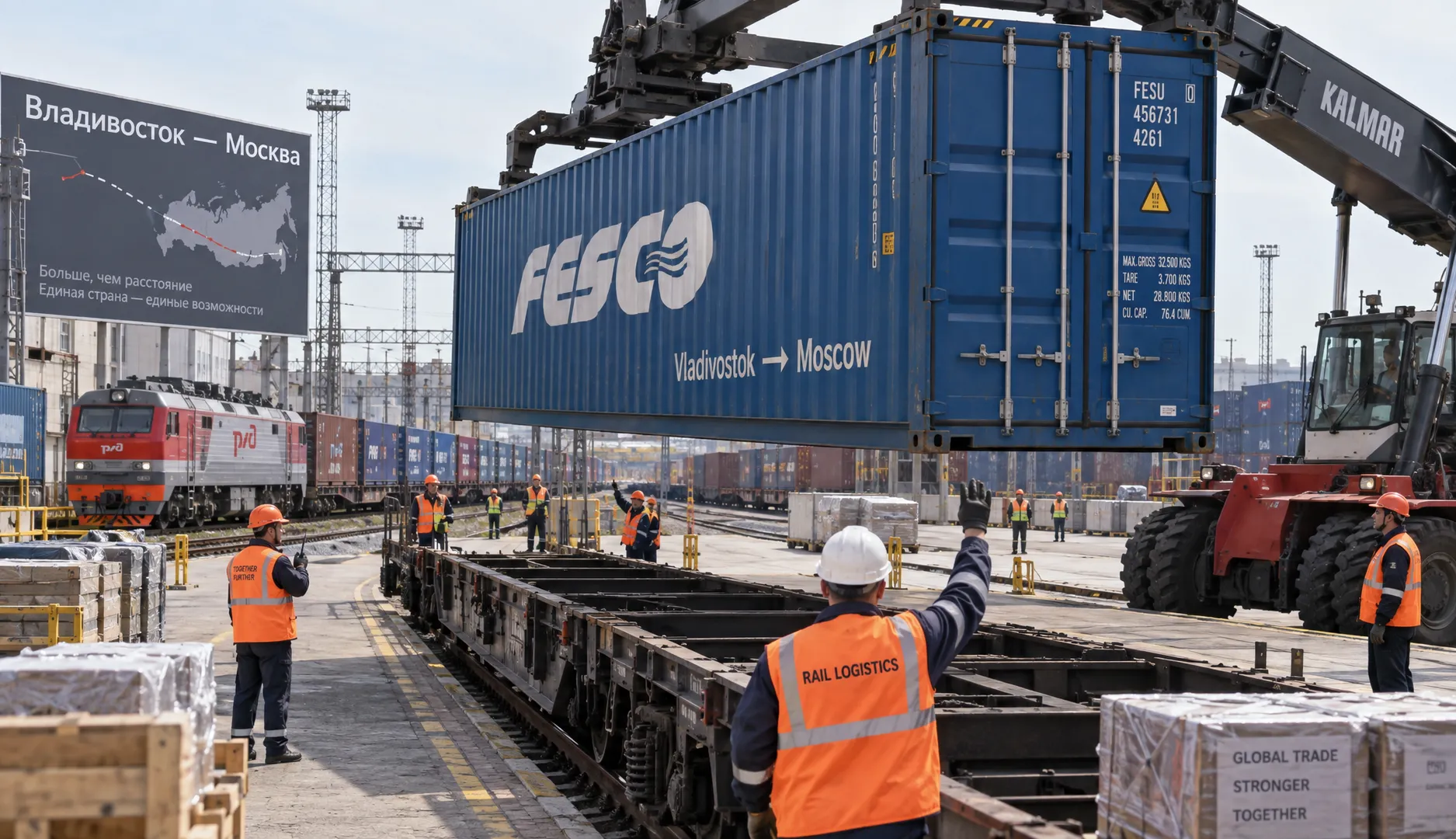
Russian Logistics of the future: how a sovereign infrastructure will strengthen the country's technological security

Building a sovereign logistics infrastructure is becoming an integral part of Russia's technological independence. In conditions of geopolitical and economic instability, it is control over internal transport and information systems that allows the country to maintain strategic stability and independence.
The future model is based on the concept of a fully national logistics ecosystem, where every element — from main routes to data centers and algorithms - is developed and managed exclusively within the country. Instead of looking for foreign solutions, the focus is on developing domestic platforms capable of providing autonomy, security, and adaptability.
Among the key areas are the creation of a unified multimodal transport network, digital platforms for managing cargo flows, and national tracking, forecasting, and analytics systems. Attention is also paid to cyber defense, fault tolerance, strategic inventory management, and critical data control.
The principle of building an infrastructure is based on the rejection of external dependence. All decisions must be managed by the Russian side and be within the national jurisdiction. At the same time, a window for international integration remains open, but only on the basis of compliance with Russian standards and through secure interfaces.
Special attention is paid to the data architecture: a secure digital environment is being created, into which Russian logistics companies, carriers, authorities, as well as external players connected through controlled APIs are integrated. This approach allows us to build a logistical "ecosystem of trust."
Expert Igor Krayev emphasizes that the new infrastructure should become not just a technological solution, but an expression of government thinking: only a conscious attitude to logistics as a national security system will ensure sustainability and development.
The result is the formation of the Russian "logistics Internet", where decision—making centers, data and management remain inside the country, and external participants can be connected to it only according to the rules established within this system.