The law on digital currencies has secured the status of property for cryptocurrencies. The wording removes years of uncertainty: before that, the digital currency in Russian law existed in limbo — it seemed to be an asset, but without a clear place in the accounting and taxation system.
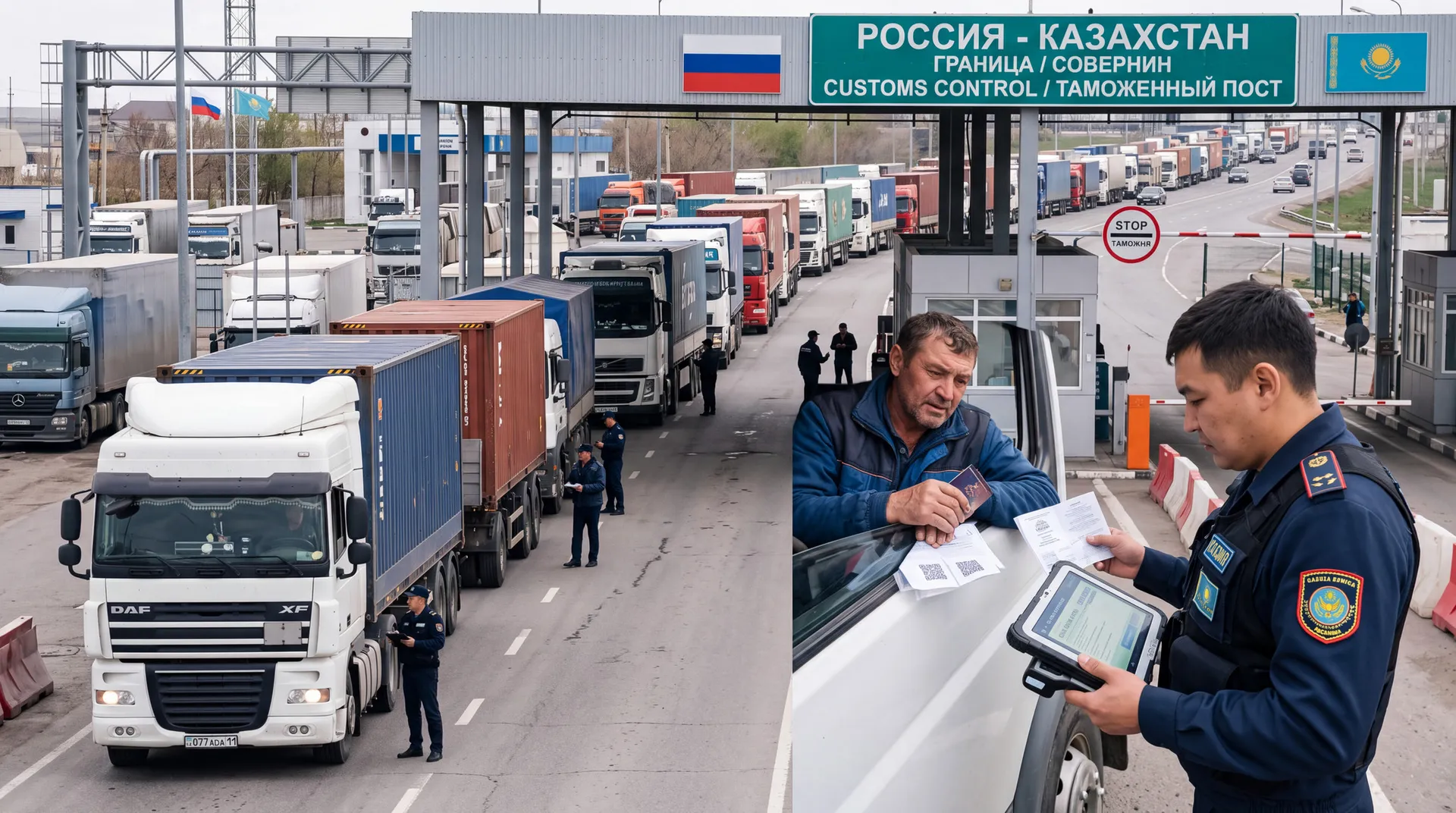
At the same time, the law makes a point exception to the general rule. It is still impossible to use digital currency as a means of payment within the country, but the door is open for foreign trade. It is explicitly allowed to use digital currencies and digital rights as a means of payment, counter-provision or other payment method under foreign trade agreements concluded between residents and non-residents.
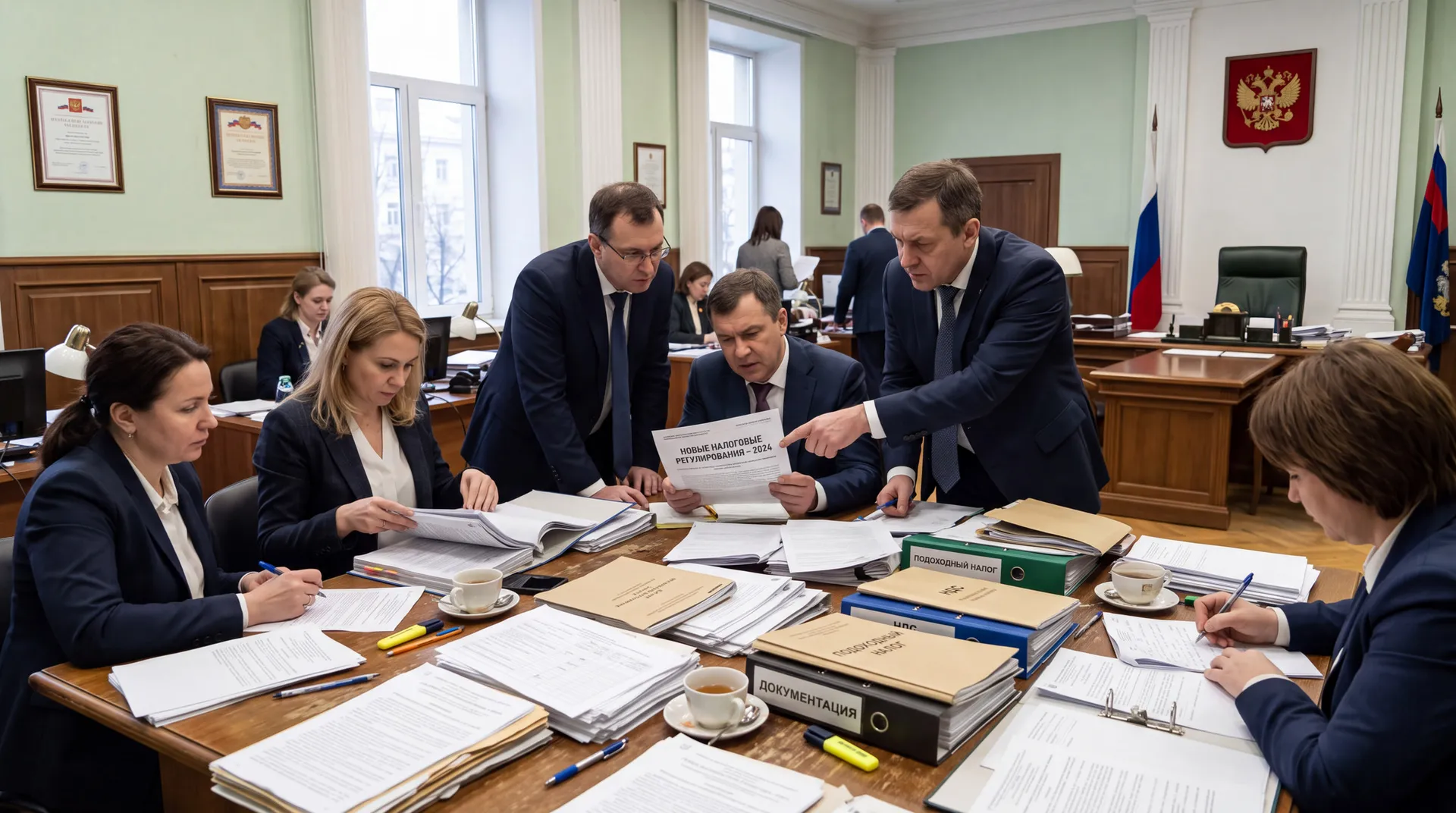
The status of the property entails specific accounting consequences. The crypt received or used in the calculations under the contract will have to be reflected on the balance sheet and its value will have to be determined for tax purposes. Transactions with it fall into the general logic of property taxation, and transactions receive judicial protection — in a dispute with a counterparty, a digital asset can be relied on in court.
For companies that will pay with crypto under foreign trade contracts starting on September 1, this means setting up an accounting policy in advance. The accounting department will have to determine how to trade the digital currency, at what rate to evaluate on the date of the transaction, and how to reflect the exchange rate difference between receipt and write-off. Contracts with foreign counterparties should be checked to see if they specify the payment method in digital currency and the procedure for determining its value.
A separate issue is the documentary evidence. Since digital currency is now property, movement through wallets will most likely have to be backed up with primary documents no worse than movement through a checking account. It is wise for companies to consider in advance how they will record and store confirmations of crypto transactions for tax and currency control.