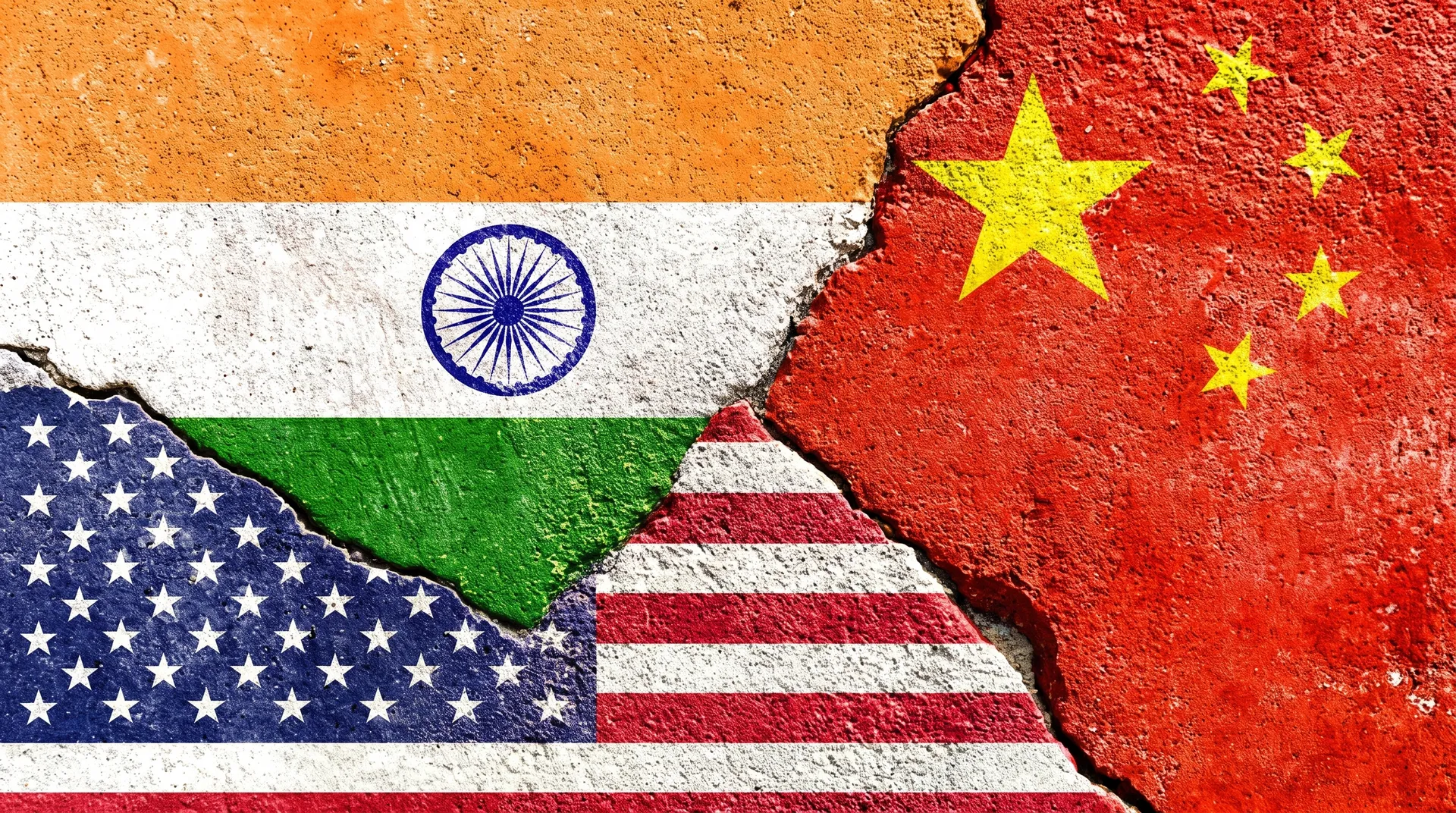
Five countries for oil, five for gas — China is on both lists at the same time. This makes the country the only one for which the bill theoretically provides for double pressure on two energy areas of trade with Russia at once.
According to agency sources, the bill may be submitted to Congress as early as this week. At the same time, the final decision on the introduction of protective duties remains with the president personally — the document does not automatically launch sanctions, but provides powers that the head of the White House can use at his own discretion.
It is this construction — the right, not the obligation — that determines the practical logic of the business situation. Duties of up to 100% against China and India will not come automatically with the adoption of the law. They will become reality only at the moment when the president decides to apply them, and this decision can be used as a tool of negotiating pressure long before the actual introduction.
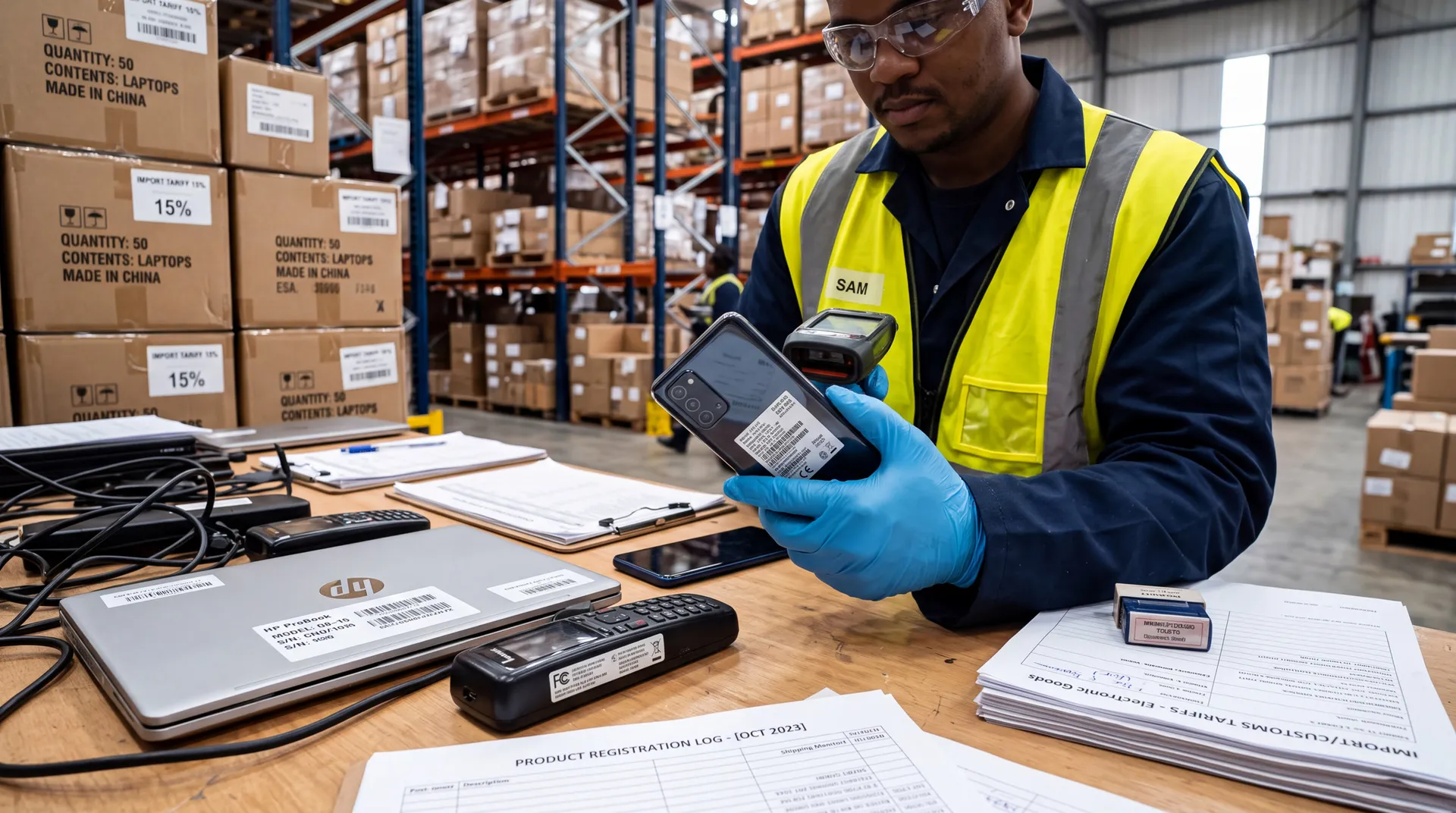
For companies using China and India as settlement or transit hubs in trade with Russia, it is not so much the likelihood of duties being imposed that matters, as the uncertainty of the timing. Financial institutions and logistics partners in these countries respond to such bills in advance, tightening compliance procedures even before the law is passed, simply to reduce their own regulatory risks.
The practical conclusion for businesses operating through Chinese and Indian settlement channels is to expect increased checks from banks and logistics partners in these countries right now, regardless of whether the bill is passed and whether Trump decides to use the powers granted. History shows that financial institutions prefer to act with caution in advance rather than dealing with the consequences of sanctions after the fact.