Container warehouse operators are asking the Federal Customs Service to legalize facilities without manufacturer's passports

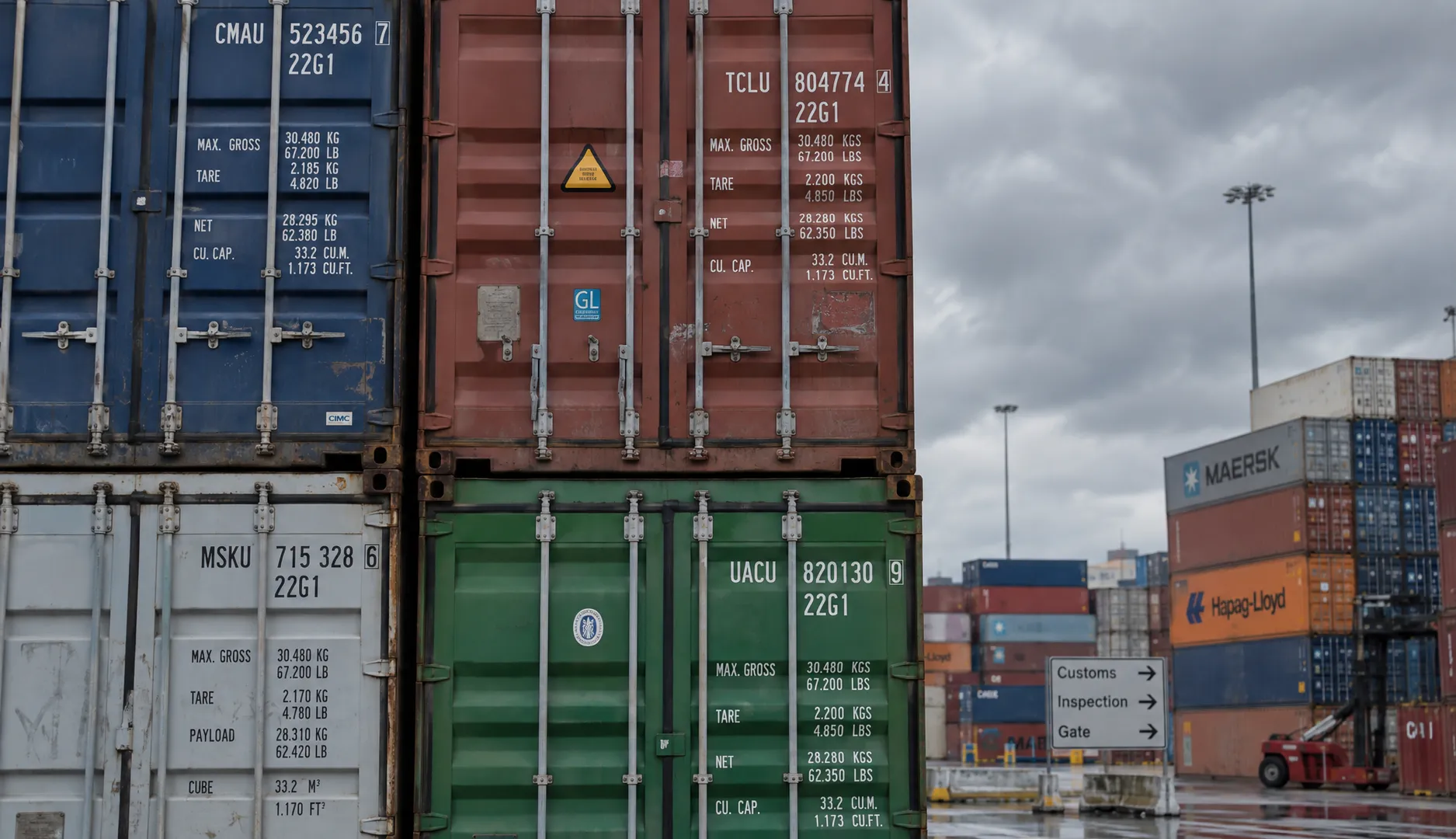
NAOX sent a letter to the Federal Customs Service asking for clarification on how to confirm the factory manufacture and technical characteristics of shipping containers imported into Russia as an independent product if the original manufacturer's passport is lost and it is impossible to obtain a duplicate.
Container warehouse owners usually purchase such containers from logistics companies and terminals that do not use them for export. The resale chain breaks the link with the factory documentation.
According to the current rules, a container passport is a technical document containing information about the manufacturer and the parameters of the facility, which is not required for customs clearance. The legality of the container's location in Russia is confirmed by the product declaration, which records the serial number of the product. However, the regional authorities began to go beyond this logic.
Starting in 2025, some federal subjects may introduce a requirement to present original passports of manufacturing plants when placing non-capital facilities. This is what creates a legal conflict: customs legislation does not require a document, but regional administrative regulations will. The result was the closure of 20% of container warehouses in the Moscow region in one year.
Container warehouses do not yet have an independent legal status and are not subject to registration with the EGRN. Rimma Fatykhova, Head of the Bankruptcy and Arbitration Practice at ANP Zenit, states that the number of legal conflicts between container site operators and the authorities is growing. Inspections in the Moscow region have become systematic.
For operators using container warehouses as an element of the import supply chain, the situation turns into an operational risk: the absence of a factory passport may become the basis for the administrative closure of the facility, regardless of the availability of a properly executed customs declaration. The FCS clarifications can either fix the priority of customs documents, or require the market to develop an alternative confirmation mechanism, for example, through independent technical expertise.
Related news:
- Container control: illegal warehouses are being massively closed in the Moscow region — how mass inspections of container sites in the Moscow region began
- FESCO proposed to include containers in the list of strategic cargoes for insurance — FESCO offered to insure containers as strategic cargo
- Container transportation through the Far East will rise in price by 50-80 thousand rubles by December — how much does the container route through the Far East cost
- Not only EPD and ETRN: what are the latest changes in logistics to pay close attention to — an overview of the latest document requirements in logistics