The launch of the GosLog registry is one of the most notable steps in the digitalization of Russian logistics. The idea is simple: Each forwarder and carrier must be registered in the state system, each flight must be documented, and each intermediary must be visible. The goal is to whitewash the market and remove the "gray" players who have been working without reporting for years.
The problem is that the system has a blind spot. A hidden subexpedition is when a legal freight forwarder takes an order from the cargo owner, processes everything correctly through EDI and GosLog, but actually transfers the flight to another carrier, without reflecting it anywhere. There are only two points in the system: the cargo owner and the formal forwarder. The real performer remains invisible.
For honest players, this creates a paradoxical risk. There is no direct ban on working with unregistered subexpeditors yet. But the disruption of the digital chain is already being considered by the tax authorities as a trigger for inspections and additional VAT charges. And in this situation, it is not the shadow contractor who physically transported the cargo who will have to answer, but the first legal forwarder and cargo owner — that is, those who are visible in the system.
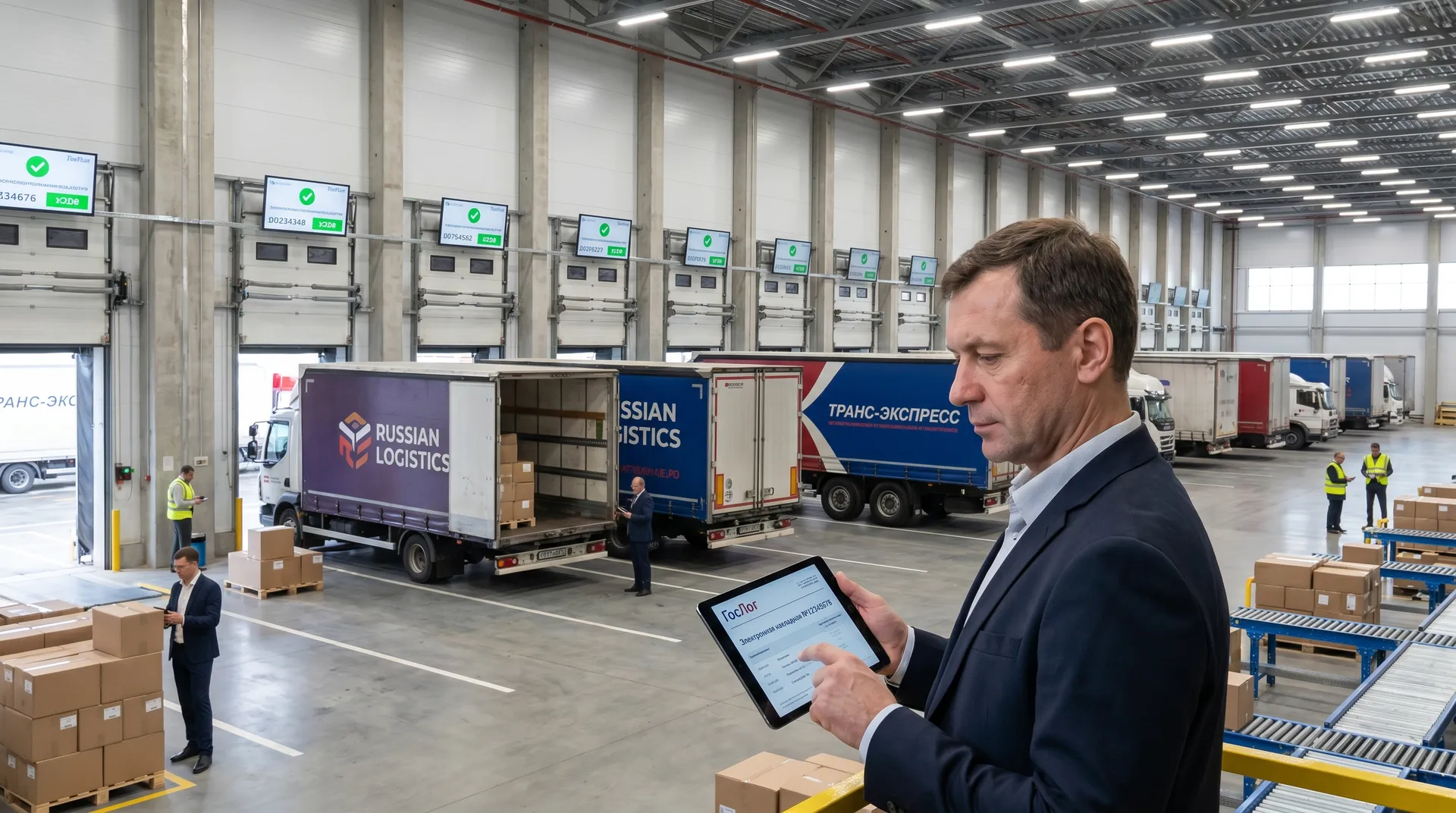
The bet on digitalization remains. The Ministry of Transport and the market are making it into electronic waybills, scoring models and online platforms through which the full chain of participants is visible. Such a toolkit already works on a number of transportation platforms and has proven the effect of "whitewashing": flight history, disputes, delays and tax flags on counterparties make gray schemes visible and raise the price of risk for intermediaries.
What exactly should market participants do right now? The first is to introduce KYC contractors: check the availability of carriers and forwarders in the State Registry, record the verification results with certificates or screenshots, and update them regularly. The second is to prescribe in contracts a direct ban on hidden sub—shipments: the obligation to disclose all actual carriers, notify about the transfer of cargo to third parties, fines and the right of termination for violation. The third is to set up the ETrN and EDI so that all participants in the chain are visible in the documents, not just its ends. The fourth is to rely on the scoring and ratings of digital transportation platforms. The fifth is to maintain an internal registry of "white" and "gray" schemes with closed access for purchasing managers.
The main thing remains unanswered. Is the sub-distributor reselling flights required to be included in the registry of State Airlines as an independent participant? Who is responsible for identifying invisible intermediaries — the state, the platforms, or the cargo owners themselves? Is the market ready for its own verification procedures for contractors and their subcontractors, even if the law does not directly require it? The answers will determine what the logistics market will look like in two years.