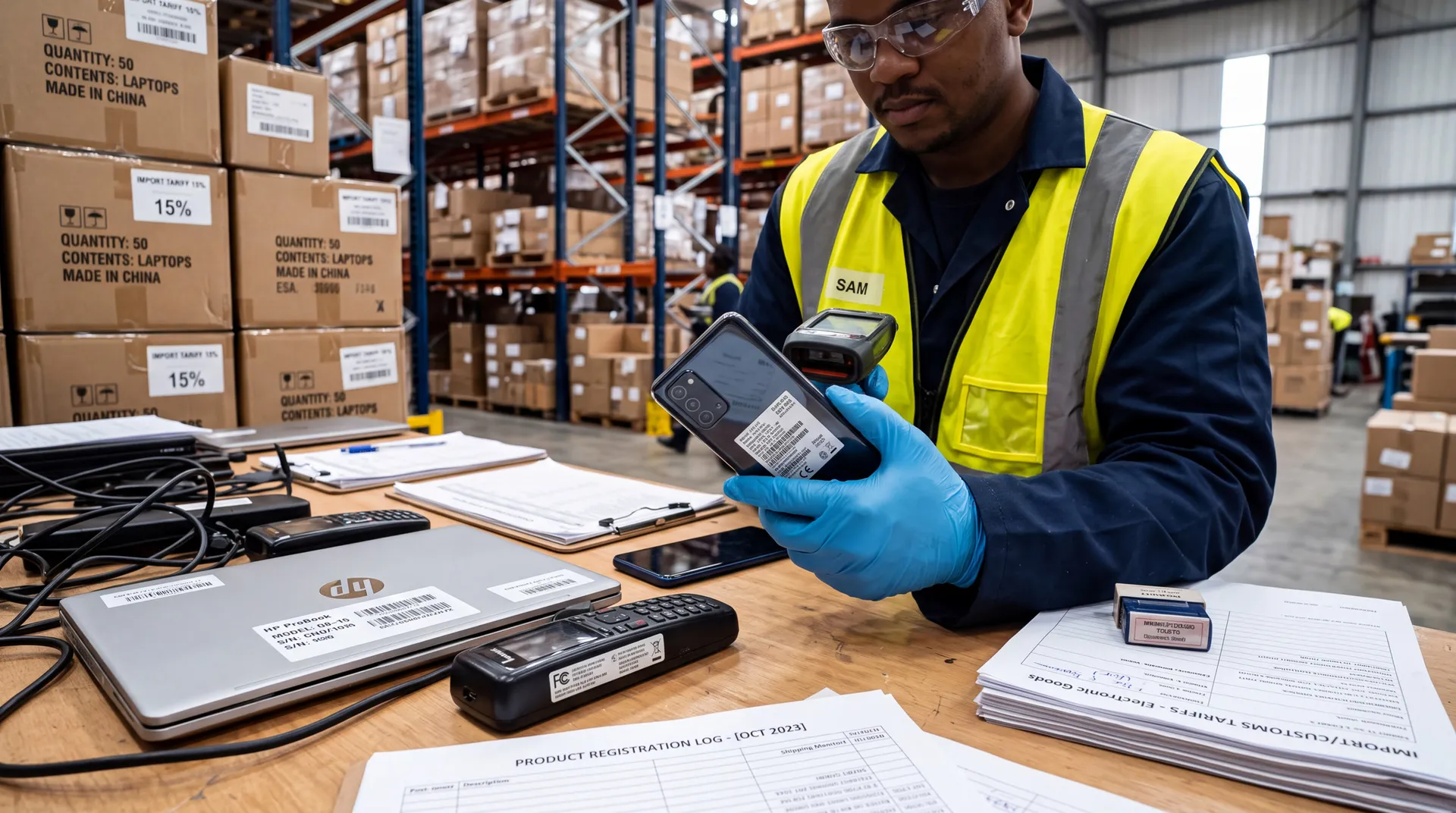
At the International Transport and Logistics Forum, Rosgranstroy outlined a target for checkpoints: by 2030, crossing the border for freight transport should take about 10 minutes. The approach is based on the transition to an "intelligent checkpoint", where control is based on the automatic collection and analysis of transport and cargo data, and risk solutions are supported by digital systems.
The main practical step for carriers is the ability to submit an expanded set of flight and cargo data in advance. This gives the control authorities time to check before the car arrives and reduces the amount of manual work on the lane. For those who continue to drive according to the usual pattern, they promise to keep the standard mode, but the speed of passage will be prioritized where the data is received in advance and in full.
The public part of the discussion ran into bottlenecks. The problem was stated bluntly:
"We have inconsistencies, our cargo turnover is not growing between our union, which indicates that there are some difficulties, there are bottlenecks," stated Vadim Filatov, Chairman of the Transport Logistics Committee of the All-Russian Public Organization Delovaya Rossiya, recalling the collapses of trucks on the border of Kazakhstan and Russia in at the end of 2025, where multi-day downtime has become a real disaster for businesses.
The technological part of the program looks like assembling several tools into a single contour. The list mentions portal inspection and inspection complexes, video analytics, weight and size control, navigation seals, an integrated access control system and an electronic queue.
At the level of the plans of the Ministry of Transport, the equipping of 55 automobile checkpoints with portal IDCs "based on the priority of cargo flow" is separately recorded, which is directly related to the task of reducing the inspection time to 10 minutes.
For the cargo transportation market, this means a new norm for flight preparation. The role of data quality is increasing: correct information about the product, documents, seals, vehicle parameters and route. An error in the initial information will take minutes and hours already at the entrance to the checkpoint, because the digital corridor is based on the coincidence of data between the carrier, sender, terminal and control authorities. Companies that transport in Kazakhstan and China will be the first to feel the effect: it is these destinations that constantly fall into seasonal peaks and cause the most painful downtime in money and schedule disruptions.