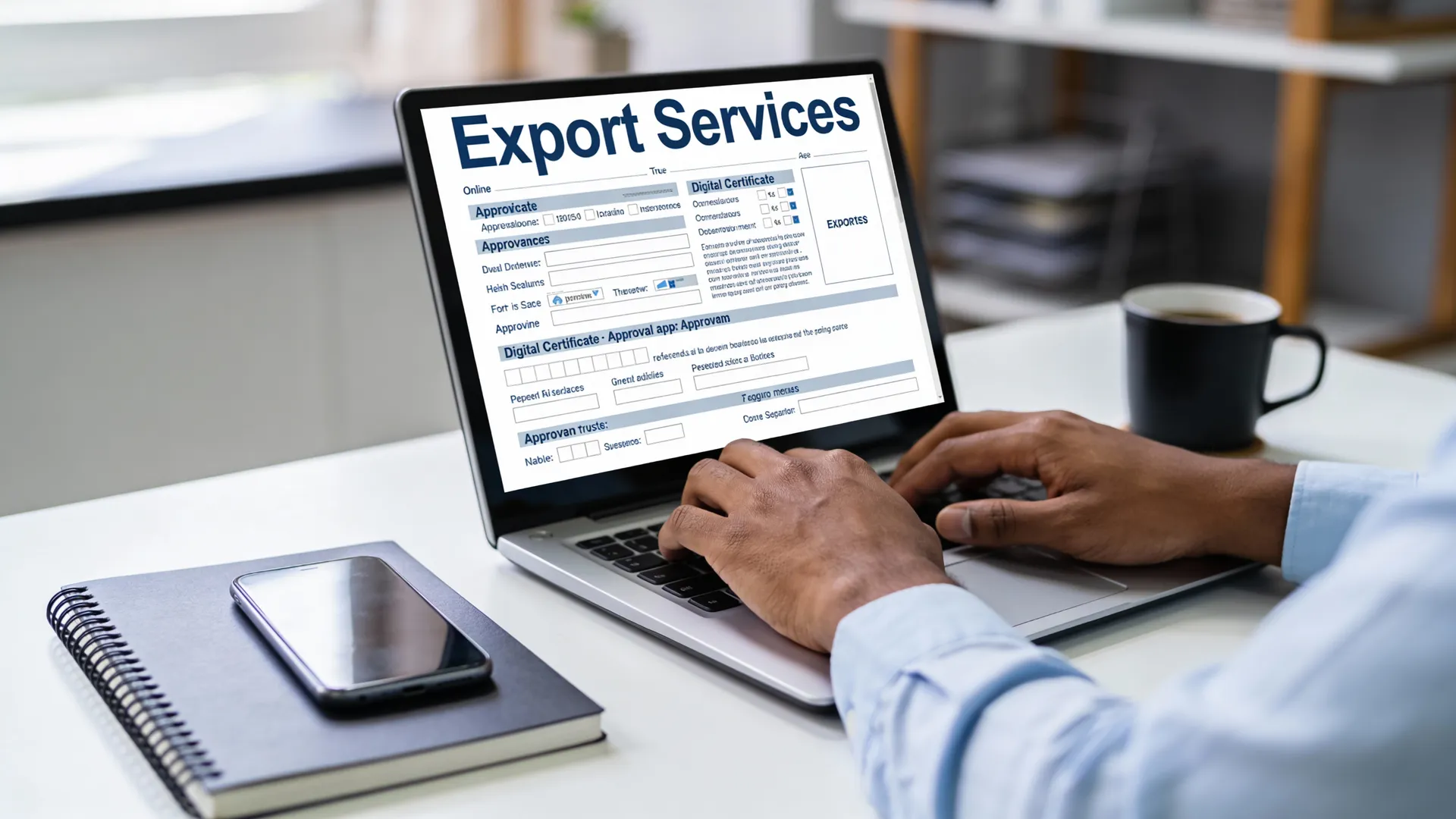
Russian entrepreneurs are increasingly switching to digital tools when processing export operations. Paperwork, which until recently was an integral part of obtaining permits, is gradually becoming a thing of the past. Today, it is possible to confirm the conformity of products with international safety standards and the requirements of importing countries remotely through digital government services.
The My Export platform, operated by the Russian Export Center, has become a key element of this transformation. The platform combines a wide range of services for exporters, from registration of permits to support of foreign economic transactions and business advisory support.
The results of 2025 clearly show the scale of digitalization of export procedures. The share of online applications for key types of permits has reached record levels, which indicates a high degree of business confidence in digital channels and the convenience of their use.
The registration of phytosanitary certificates has almost completely switched online. By the end of the year, 98% of applications are submitted through digital services, which effectively means the complete digitalization of this segment. Veterinary certificates are also mostly issued remotely — about 90% of applications are received electronically.
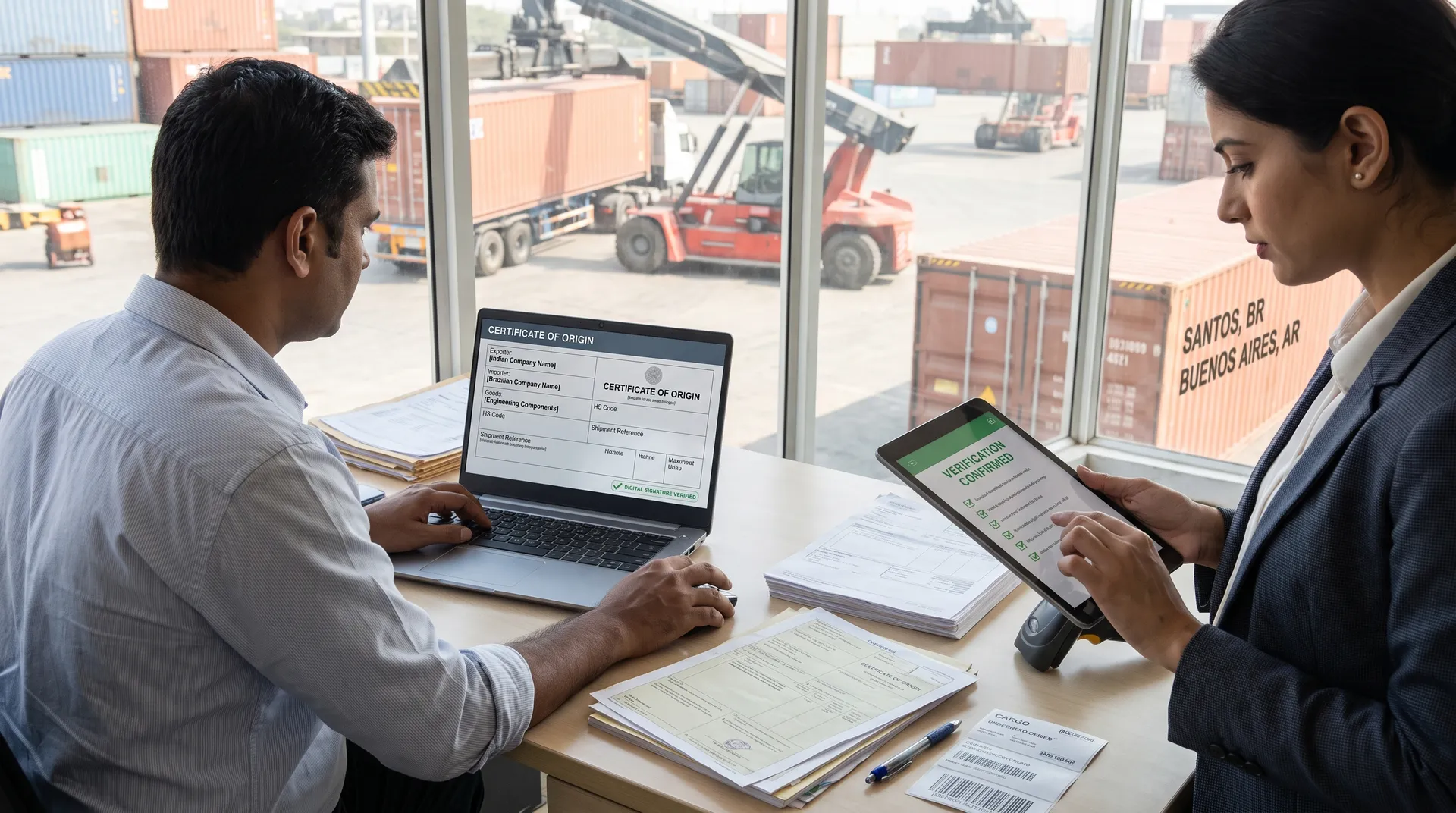
The dynamics of certificates of origin deserves special attention. More than 35% of such documents are currently processed through the My Export platform, meaning that virtually every third certificate in the country is issued using digital tools. This is especially important for companies operating in markets with strict requirements for proof of origin.
Experts note that the transition to digital services allows businesses to significantly reduce time and administrative costs. Online paperwork reduces the risk of errors, simplifies the monitoring of the status of applications and makes the process more transparent for both exporters and regulatory authorities.
At the same time, the role of the REC is not limited to providing access to digital services. The Center is actively engaged in training entrepreneurs to work with the platform, explains the requirements and helps them adapt to new formats of interaction with government agencies. This approach allows not only to speed up export procedures, but also to increase the overall digital literacy of foreign trade participants.
With the growth of foreign trade flows and the increasing complexity of international requirements, digitalization is becoming one of the key factors in the competitiveness of exporters. The use of online platforms is already forming a new standard for export activities, in which speed, transparency and convenience come to the fore.