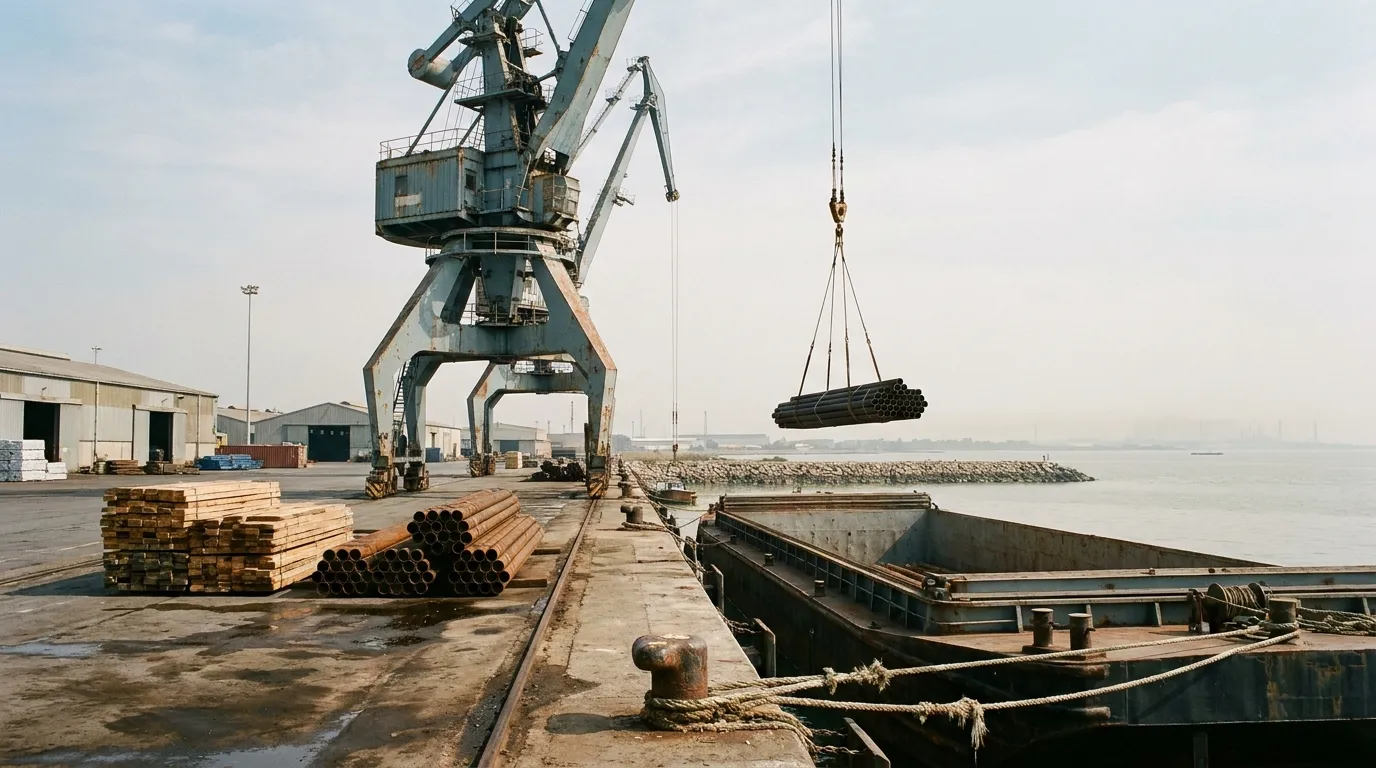
The authorities of the Donetsk People's Republic have announced plans to develop the Mariupol commercial port as a major logistics center. This was announced by the head of the region Denis Pushilin, noting that the work is planned to continue, despite the ongoing attacks on the logistics infrastructure.
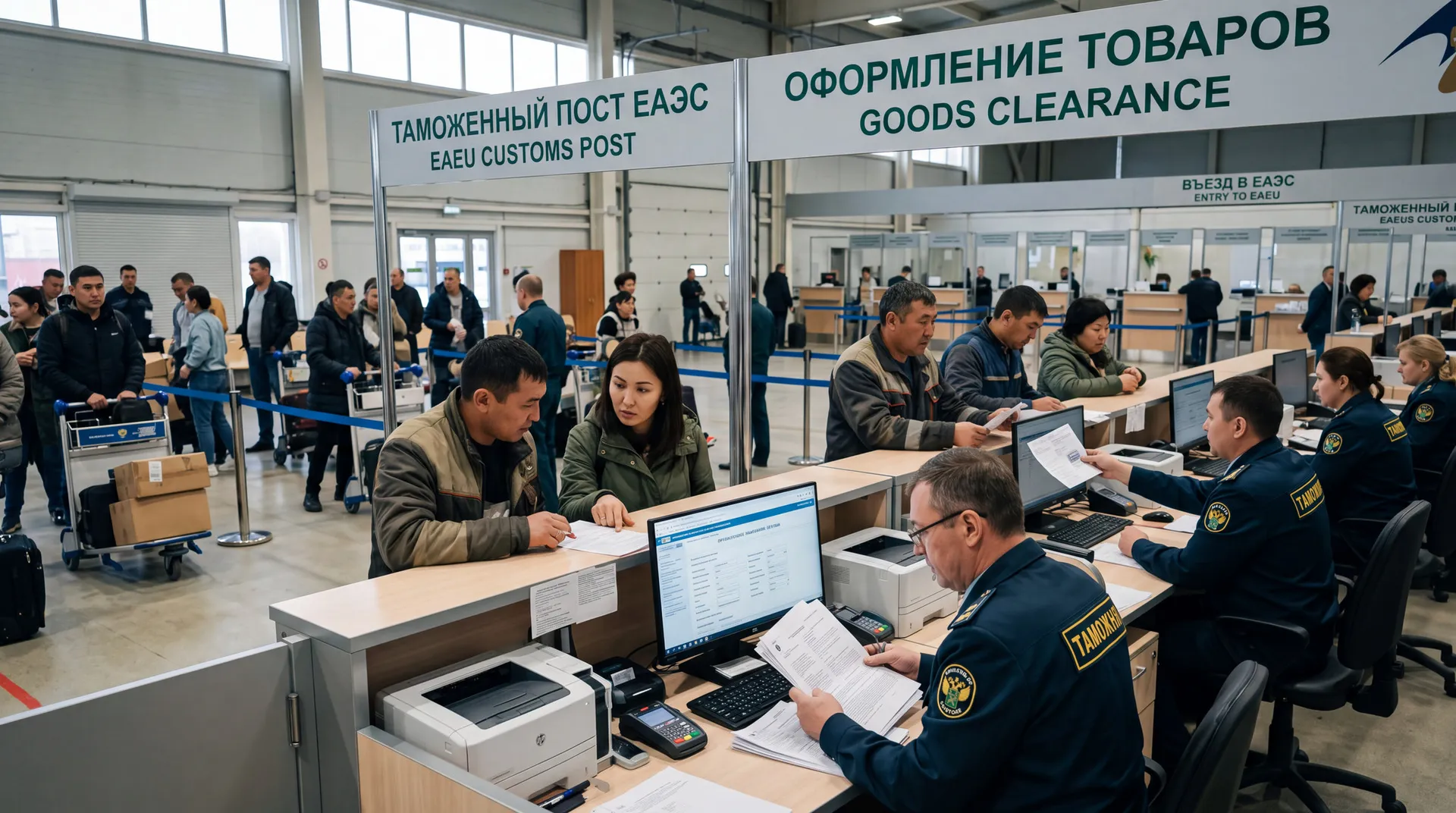
For the foreign trade business, the substantive part of the news is not in the statement, but in the deadline. Earlier, Deputy Minister of Transport Valentin Ivanov reported that cargo checkpoints in the seaports of Mariupol and Berdyansk are planned to open before the end of 2026. Without an active checkpoint, the port cannot handle international cargo — this is a key element separating coastal work from foreign trade.
In the long-term plans of the Ministry of Transport, the Mariupol port should receive automation of processes and the status of a "smart port" by 2040. At the same time, the horizon is so far away that it is too early to put it into operational models.
The practical context for the industry is set by the situation in the Azov Sea. Restrictions on shipping in the region have already forced farmers to rebuild routes: the flow went to the ports of the Black and Baltic Seas, and from Siberia to the Far East. It is precisely because of the lengthened shoulders that the government has allocated an additional 9.7 billion rubles for a preferential railway fare. In this design, the Azov direction remains the hub, the restoration of which directly affects the transportation costs of agricultural exports.
How to treat the news to the cargo owner. As a signal about the direction of development, not as an available option. There is no timetable, no tariffs, no list of permitted items for international shipments yet. The point after which it makes sense to take the route seriously is the official opening of the cargo checkpoint. Up to this point, it is impossible to plan shipments through Mariupol, and it is already possible to include the port in the strategy for 2027.
Similar materials on the website
- 9.7 billion rubles for a preferential tariff for agricultural goods — why is the state paying extra for the railway due to the situation in the Azov Sea