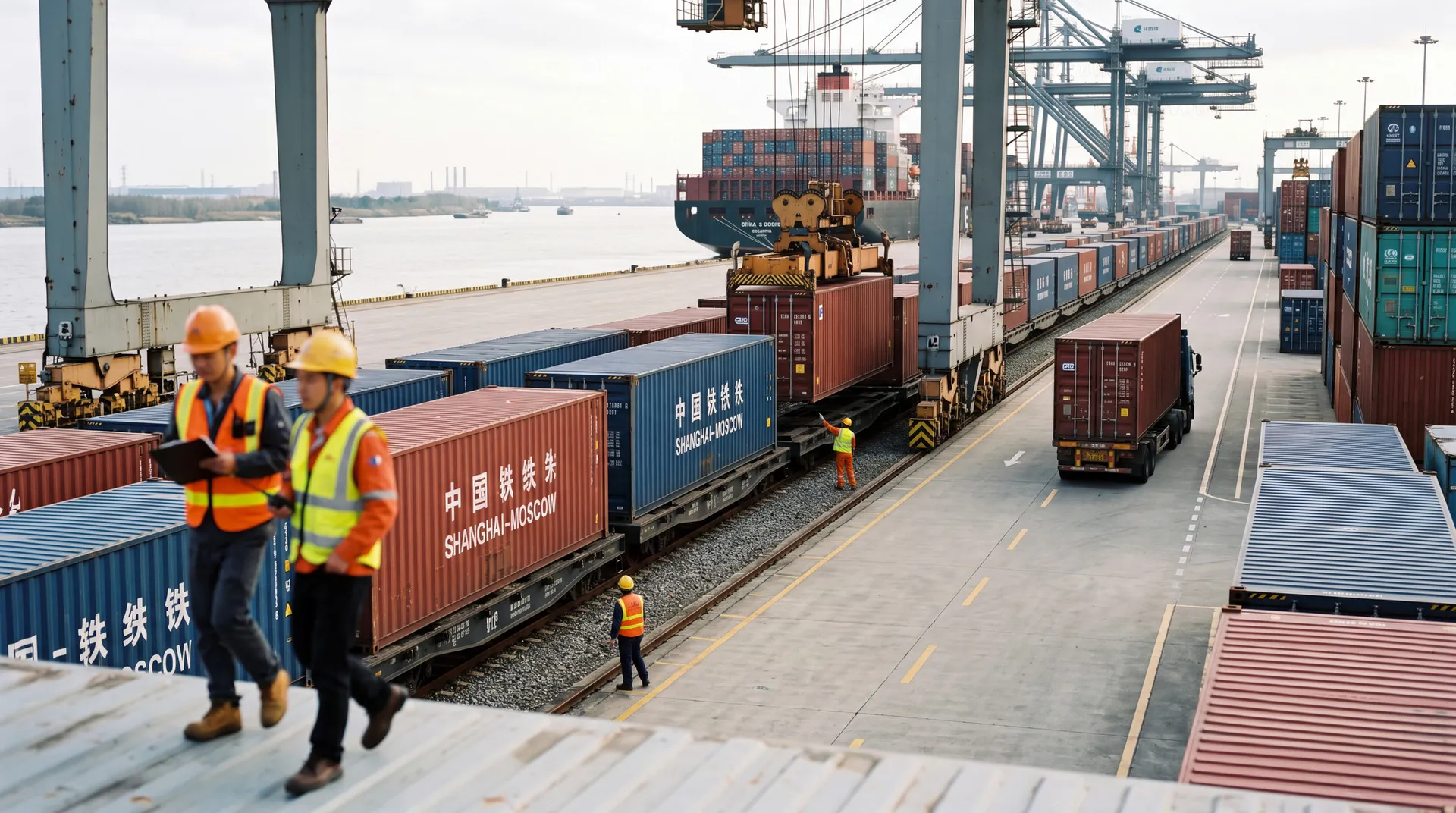








The ceremony took place on October 28 in the capital of Ghana. The document was signed by representatives of 26 states; from China, it was signed by Deputy Minister of Commerce Jiang Chenghua. There were about 400 delegates from more than 60 countries and territories in the hall.
The Convention was initiated by China and adopted at the 80th session of the UN General Assembly in December 2025. Its essence is to eliminate the legal gap, due to which transport documents in land transportation have so far been unable to be fully used as negotiable instruments to attract trade finance. Sea bills of lading have been working in this role for a long time; land waybills have not.
"This institutional innovation fills a gap in international regulations and provides international legal guarantees for financial transactions related to cross-border transport documents," said Jiang Chenghua.
According to him, the convention will reduce transaction costs in cross-border onshore trade and ease the financial burden on companies operating in international trade. The PRC intends to complete the internal ratification procedures as soon as possible and calls on other States to join the agreement.
UNCITRAL Secretary Anna Jouban-Brae highlighted several practical effects of the document: reducing uncertainty in cross-border transactions, increasing the sustainability of supply chains, supporting the digitalization of trade, and facilitating access to trade finance.
"Since the approval by the UN General Assembly, we have been greatly helped by China's unwavering support for this convention and its efforts to promote a broader understanding of this framework," said Zhuban—Bray, expressing gratitude to China for submitting the draft to UNCITRAL.
For Russian importers and exporters using land corridors to China, Central Asia and other BRICS countries, the convention opens up the prospect of using waybills to obtain financing for cargo in transit, a tool that has long been considered standard in maritime trade. Exactly when the document will enter into force depends on the speed of ratification in the signatory countries; China has stated its readiness to speed up this process.
Related news:
- Russia is switching to electronic transportation documents with 29 countries by 2029 — from what date are electronic transportation documents mandatory
- From September 1, the ETRN will become mandatory for 95% of businesses — who is affected by the mandatory electronic invoice
- Carriers: GIS EPD will create a double document flow from September 1. what risks do carriers see in switching to GIS EPD
- The Federal Tax Service clarified its position on paper transportation documents: inspections will begin at the end of 2026, when paper documents can still be used.