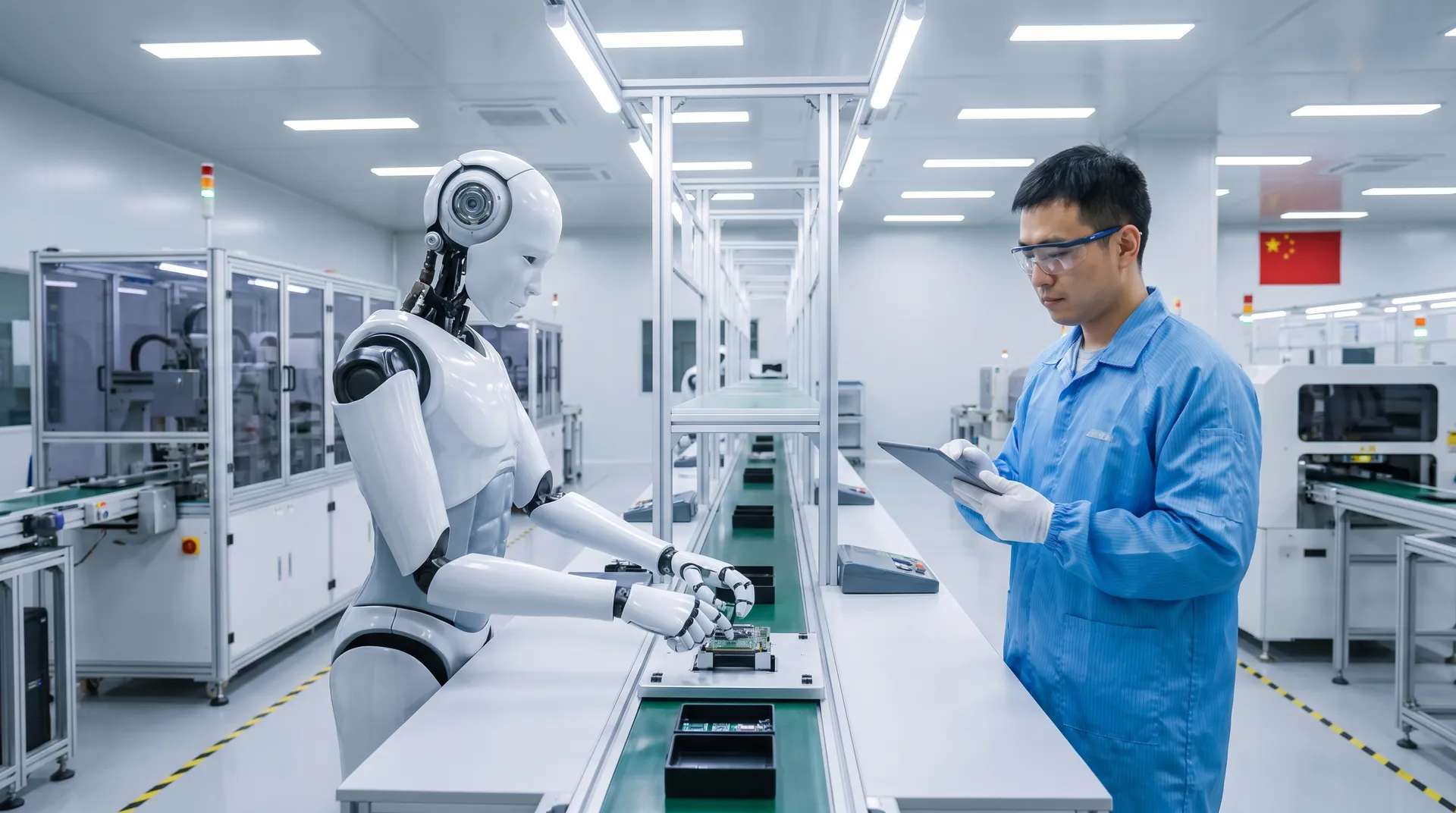
After electric cars and solar panels, China is preparing the next wave of export dominance — humanoid robots. The 15th Five-year Plan of the People's Republic of China, adopted in 2026, directly establishes this industry as a strategic priority. By 2030, the country intends to increase its share in the global production of humanoid robots from the current 15% to 16.5%.
The figure looks modest, but the logic of the Chinese approach is not in percentages — it's in speed. While American companies like Boston Dynamics or Tesla Optimus are developing technologically sophisticated solutions for narrow niches, Chinese manufacturers such as Unitree, UBTECH, Agilex are building models that are cheaper, easier to maintain, and scalable for mass production.
At the same time, the domestic market operates as a unique testing ground. China is facing an acute shortage of industrial labor, especially in small—scale production and logistics. This creates a real demand for robots right now, not in ten years. Companies implement, test, refine on an industrial scale — and accumulate data that competitors do not have.
Goldman Sachs estimates the global humanoid robot market at $38 billion by 2035. At the Chinese rate of development, the country claims not 16.5%, but a much larger share in the longer term.
For the Russian foreign economic activity business, this is a signal of the next product category with growing demand. Industrial robots from China are already being actively imported to Russia. Humanoid solutions for logistics — sorting, moving goods, and working in warehouses — will appear in commercial offers from Chinese manufacturers in the next 2-3 years. Those who are engaged in warehouse automation should already study this segment.