The Iranian side has declared its readiness to allow Japanese-bound vessels to pass through the Strait of Hormuz. This was reported by Reuters with reference to an interview with Iranian Foreign Minister Abbas Araqchi to the Japanese Kyodo news agency. According to him, Tehran is consulting with the Japanese side, including discussions with Japanese Foreign Minister Toshimitsu Motegi, and is considering restoring the passage, depending on Japan's approach.
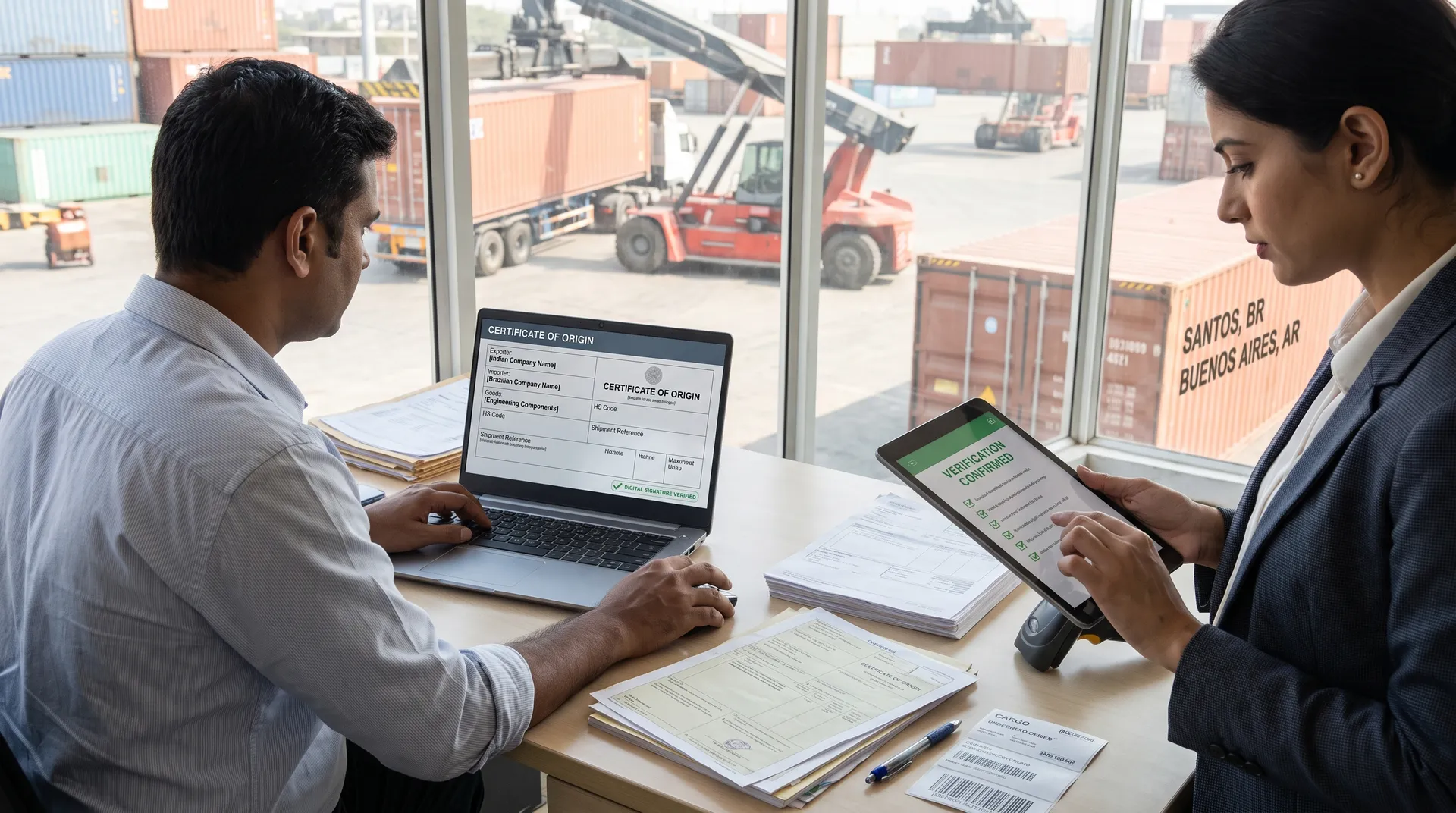
For logistics, this news is important as an indicator of the "point tolerance" mode. The market does not see a single rule for everyone, but a negotiation format. This format instantly affects the cost: insurers lay down risk premiums, carriers introduce surcharges, cargo owners begin to repackage supply chains under flags, routes and contracts with certain operators.
Reuters also recalls that Japan depends on the Strait of Hormuz for about 90% of its oil imports. When traffic through the strait is restricted, it affects the cost of fuel and the economy of transportation far beyond the region.
The practical conclusion for companies that transport cargo along the Middle Eastern corridors is as follows: in the current regime, it becomes critical to understand the "contour of the vessel" — registration, operator, destination, insurance structure and conditions of passage. In such situations, the winner is the one who keeps an alternative port scenario in reserve in advance and has a prescribed route change scheme in the contract without stopping the supply.