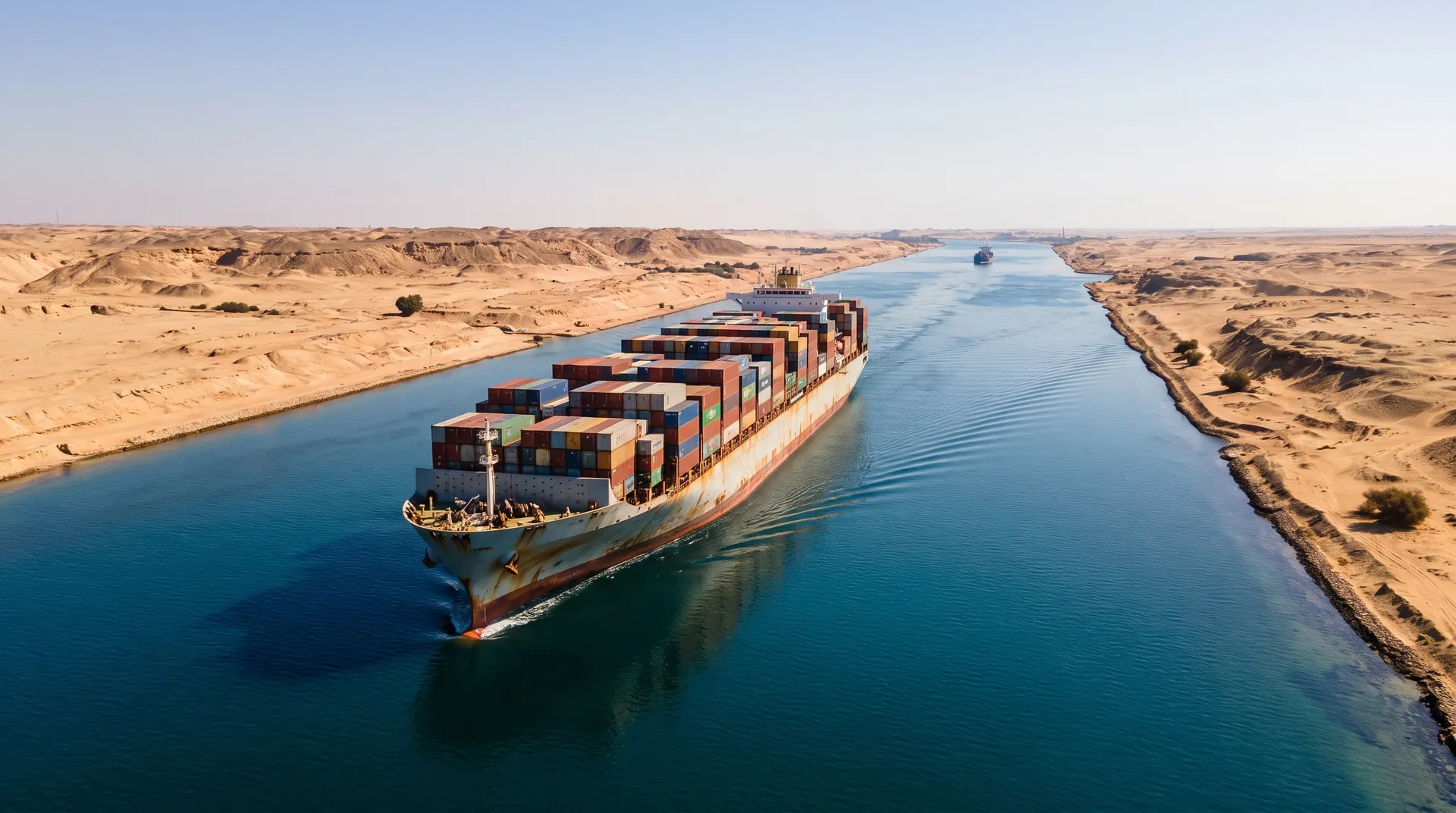
The coincidence of the two processes created an unexpected effect: while the market was rejoicing at the opening of the Strait of Hormuz and waiting for a reduction in freight rates, the Suez Canal Administration announced its own tariff increase.
The logic of the increase is clear from the point of view of the canal administration: after several months of reduced traffic due to disruptions in the Persian Gulf, part of the cargo flow began to return to traditional routes. Demand is recovering, and tariffs are rising along with it.
The spread of 12-37% depends on the type of vessel: container ships, bulk carriers and tankers will receive different coefficients of increase. For shippers, this means that the exact amount of the surcharge will depend on the specific type of vessel on their route — and it is worth clarifying these details with the logistics partner individually, rather than focusing on the average figure.
For Russian business, the Suez Canal is an important link even without direct supplies to the west. A significant part of transit cargo from Asia, including goods that are then reloaded at European hubs and continue to Russia through third countries, passes through this route.
A one—third increase in the rate is not an abstract percentage. With a transit cost of several thousand dollars per container on long routes, a 30% increase adds to the final shipping price amounts that are sensitive even when divided between several shipments.
Companies with supply contracts that were concluded with a fixed price without taking into account the possible increase in freight surcharges should recalculate the logistical component before July 15. While the new tariffs have not yet entered into force, there is time to adjust the terms with partners or include an increase in the price for the final buyer.