Starting from July 1, the duty—free threshold for foreign marketplaces is €200: gray schemes are closed
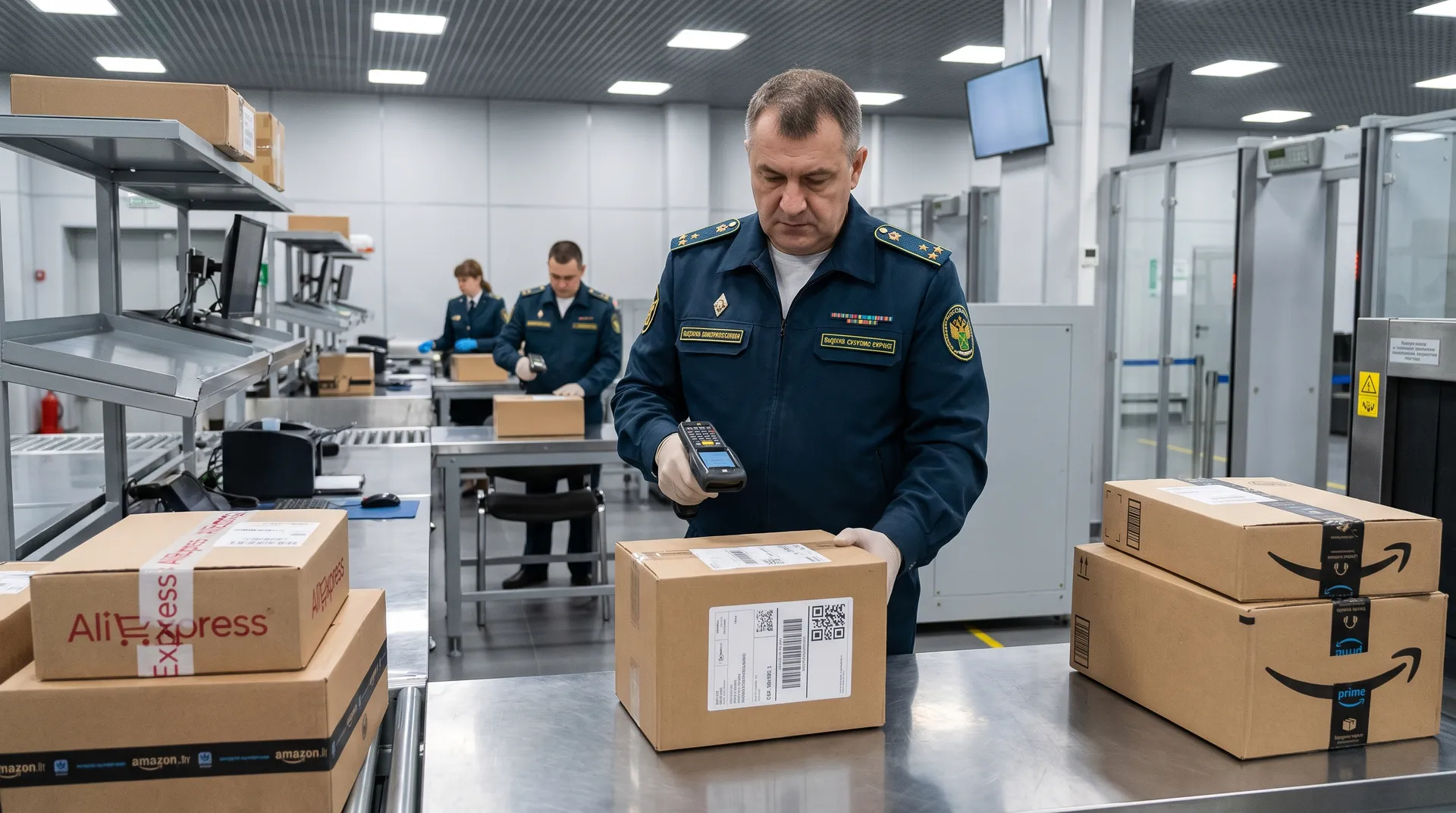
Until today, the duty-free threshold for online purchases from abroad in the EAEU was an amount that allowed for the transportation of significant volumes of goods without paying customs duties and VAT. It was this difference that gray import schemes used: commercial shipments of goods were "fragmented" into many supposedly personal purchases, each of which remained within the threshold.
Since July 1, the threshold has been fixed at €200 — and the key change concerns not only the amount, but also the formula for calculating the fee.
How is the duty calculated when exceeding
For purchases in excess of €200, the fee is calculated from the total cost of the order, not just the excess amount. In this case, the larger of the two values is applied: 5% of the cost or €1 for each kilogram of parcel weight.
Example: an order on AliExpress worth €350, weight 5 kg. Fee = max(5% × €350; €1 × 5 kg) = max(€17.5; €5) = €17,5. In this case, the standard VAT of the recipient's country is added to the fee.
Who gets hit
Direct buyers on foreign marketplaces for orders over €200 are the most obvious category. For most consumer purchases (electronics, clothing, accessories) this is a real barrier.
Companies that used the scheme of "purchases of individuals" for commercial import: the economy of the scheme with €200 and a duty on the full amount falls apart at any volume.
Dropshipping operators working with orders over €200: either switch to an official import contract, or rebuild the assortment matrix for cheaper items.
What doesn't change
Official imports by legal entities under foreign trade contracts with the payment of customs duties and VAT upon declaration are operating in the same mode. The new rule applies only to the channel "purchase of an individual on a foreign marketplace".
The import of goods from the EAEU countries (Belarus, Kazakhstan, Kyrgyzstan, Armenia) is also not affected by this decision — the SPOT system operates there.
A practical step for business
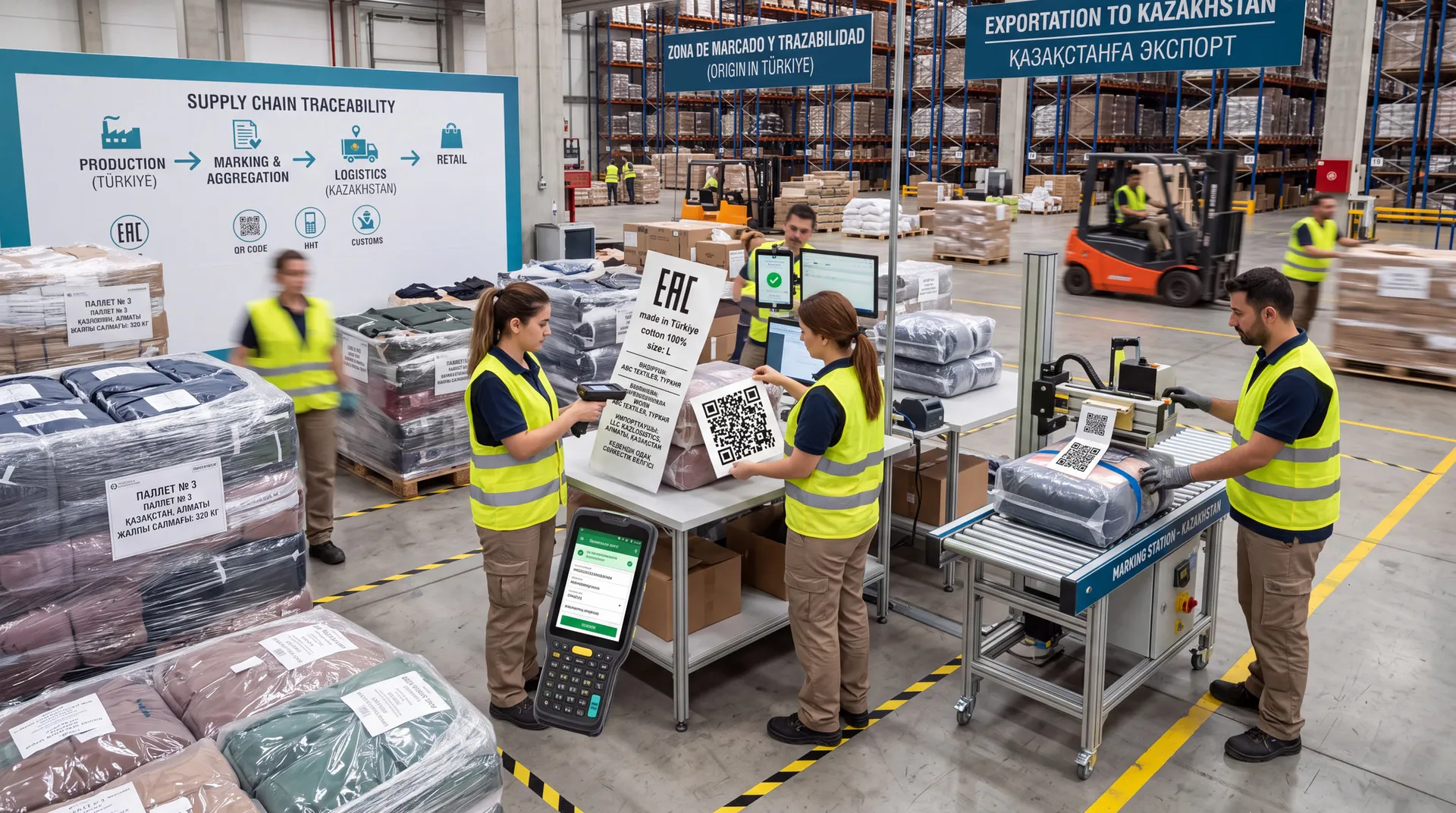
For companies that have switched to official imports: the competitive advantage against gray operators is increasing. A legal importer with a declaration, certificates and labeling no longer competes with the "duty-free" drop channel — it is closed.