Iran has simplified the import of foodstuffs: registration with the Ministry of Agriculture was postponed “after customs”
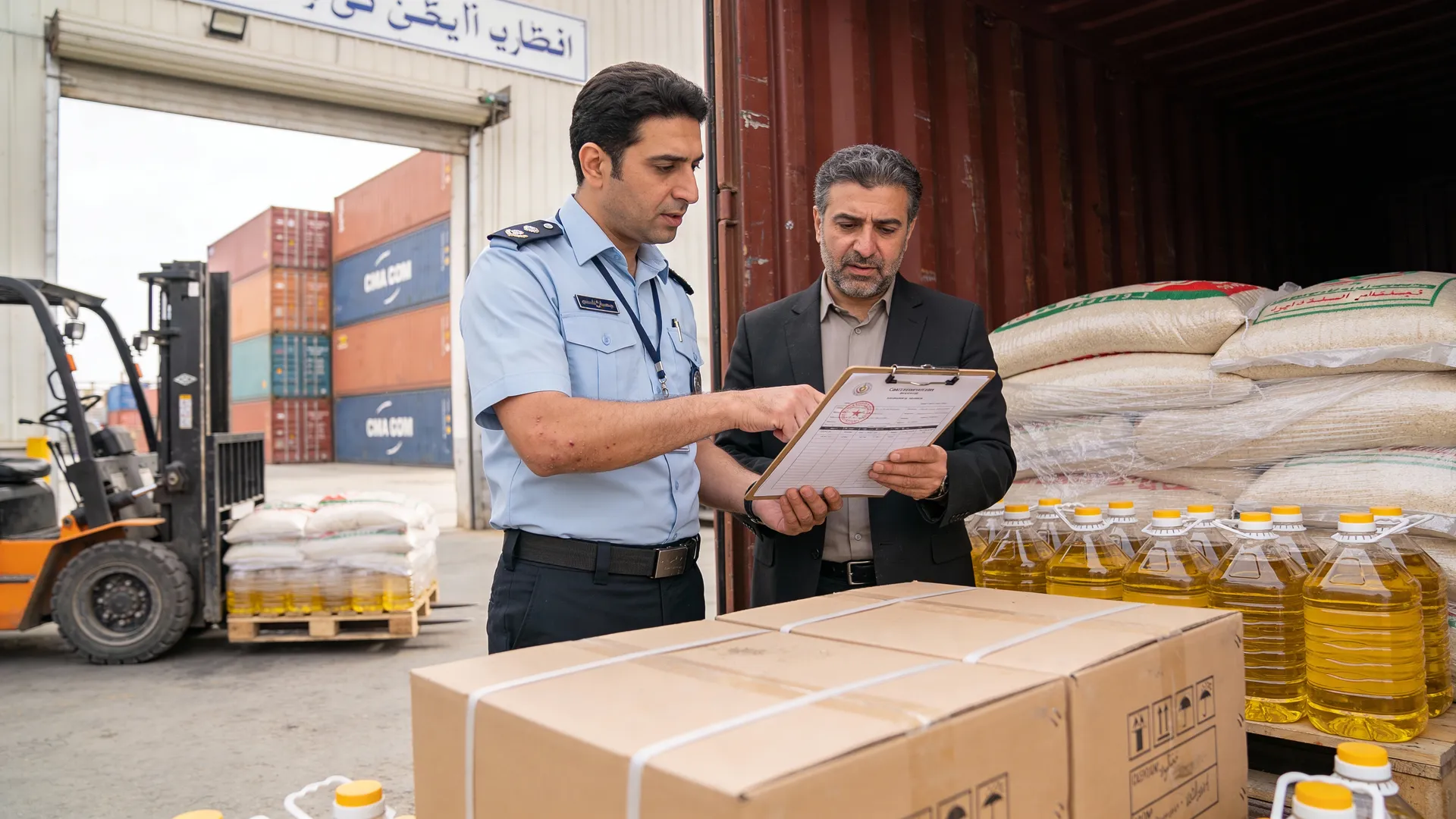
The Iranian Agricultural Department has lifted the requirement for mandatory pre-registration of an order for the import of agricultural products before customs clearance. Now the logic unfolds: the company can deliver and declare the shipment, and the formal registration documents will be issued after importation. For businesses, this is, in fact, a transition from the "permission first, then goods" model to the "goods and declaration, then completion" model, which is critical in markets where price and availability depend on the speed of delivery.
The decision applies to basic food items and feeds: rice, meat, vegetable oil and animal feed products are mentioned. The condition for importation is the availability of a valid trade license (commercial card).
Related to subsidies and currency
The main motive is to reform subsidies and increase the manageability of foreign exchange support for imports. In recent years, Iran has been balancing between supporting prices for socially important goods and a shortage of foreign exchange liquidity: it is important for the state that affordable currency and preferential mechanisms fall primarily into the "first basket" and not be diluted into secondary positions. Against this background, simplifying procedures for critical imports is a way to reduce the risk of disruptions and price spikes without overclocking the bureaucracy.
The authorities place a key emphasis on stabilizing the market and preventing shortages. That is why the “speed” is placed above the previous logic of control through prior authorization — control is shifted to the stage after importation, and not before it.
A separate semantic core is the position of Iran's Deputy Minister of Agriculture Akbar Fathi. He associates the measure not only with the operational stabilization of supplies, but also with a longer effect on domestic production.:
"This step can also stimulate domestic production and, by increasing domestic production in the medium and long term, will achieve the necessary balance in the market and avoid fluctuations caused by a shortage of foreign currency in the market of basic goods and livestock feed," he added.
Financial cushion: 100 days in rials
In order for merchants not to run into a cash gap, a 100-day deferral of payments in rials for imports was simultaneously agreed through a combination of the regulator and the relevant bank. This is an important detail: the measure not only speeds up customs, but reduces the pressure on working capital — the business gets a chance to sell the goods and only then close its obligations to the bank.
Barter as a tool for fulfilling foreign exchange obligations
Another element is the permission to import basic goods through the mechanism of commodity barter: in exchange for agricultural, industrial or mining products. For the state, this is a way to “bring together” exports and imports into a single loop and consider such an operation as fulfillment of the exporter's foreign exchange obligations. For foreign trade practice, this is a signal: the authorities are expanding the set of legal tools in order not to slow down critical supplies with restrictions on the foreign exchange market.
What does this mean for foreign trade chains
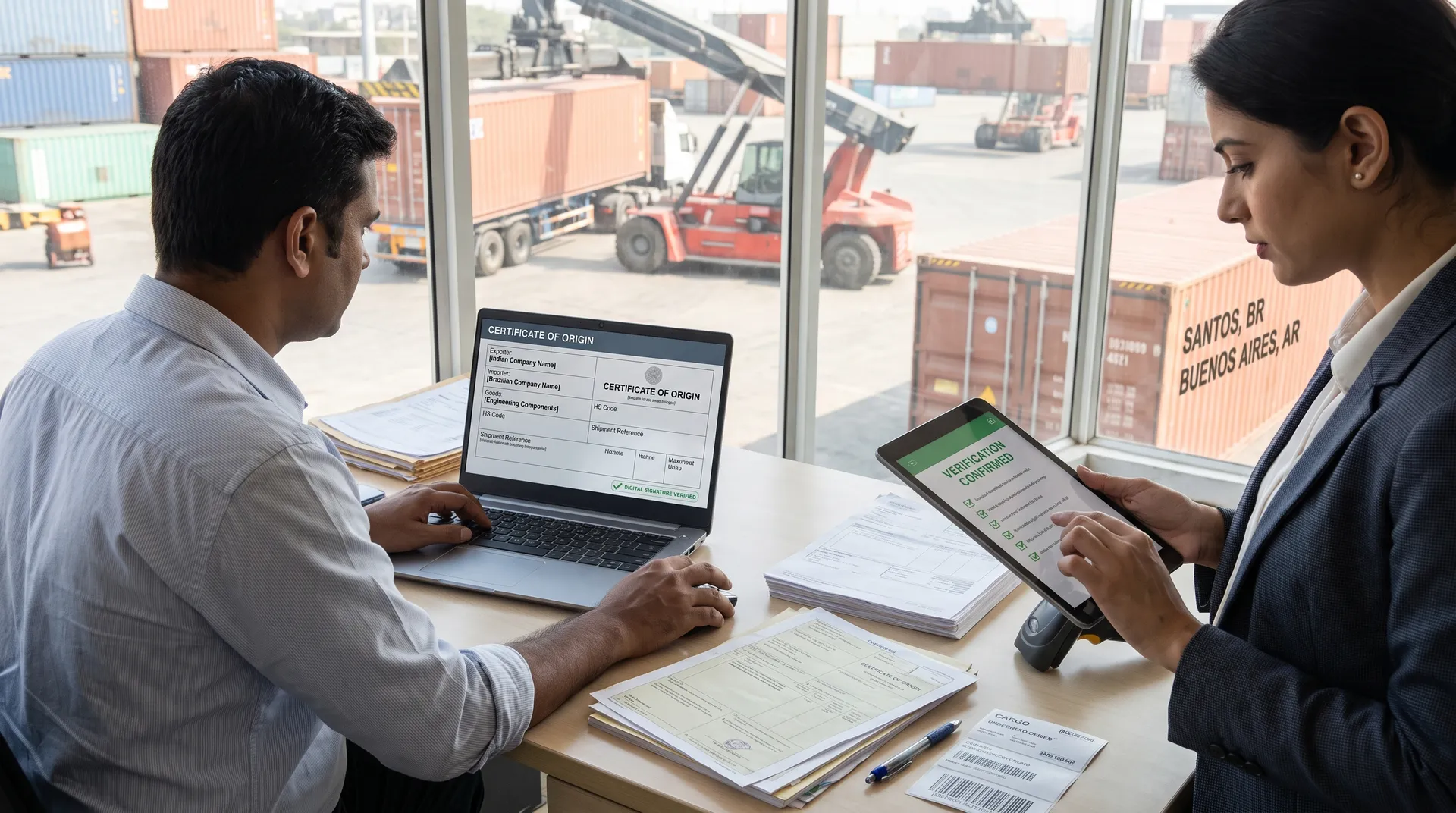
For suppliers and intermediaries working with Iran, the innovation reduces transaction costs at the start of the chain — there is less risk that the cargo will “hang” due to the paper procedure before the actual import. But the value of proper post—control documentation increases: if registration is postponed “after”, then the discipline of the set of documents, product codes and proof of origin becomes more critical - otherwise there will be no gain in speed, and questions will appear already in the next cycle of supplies and financing.