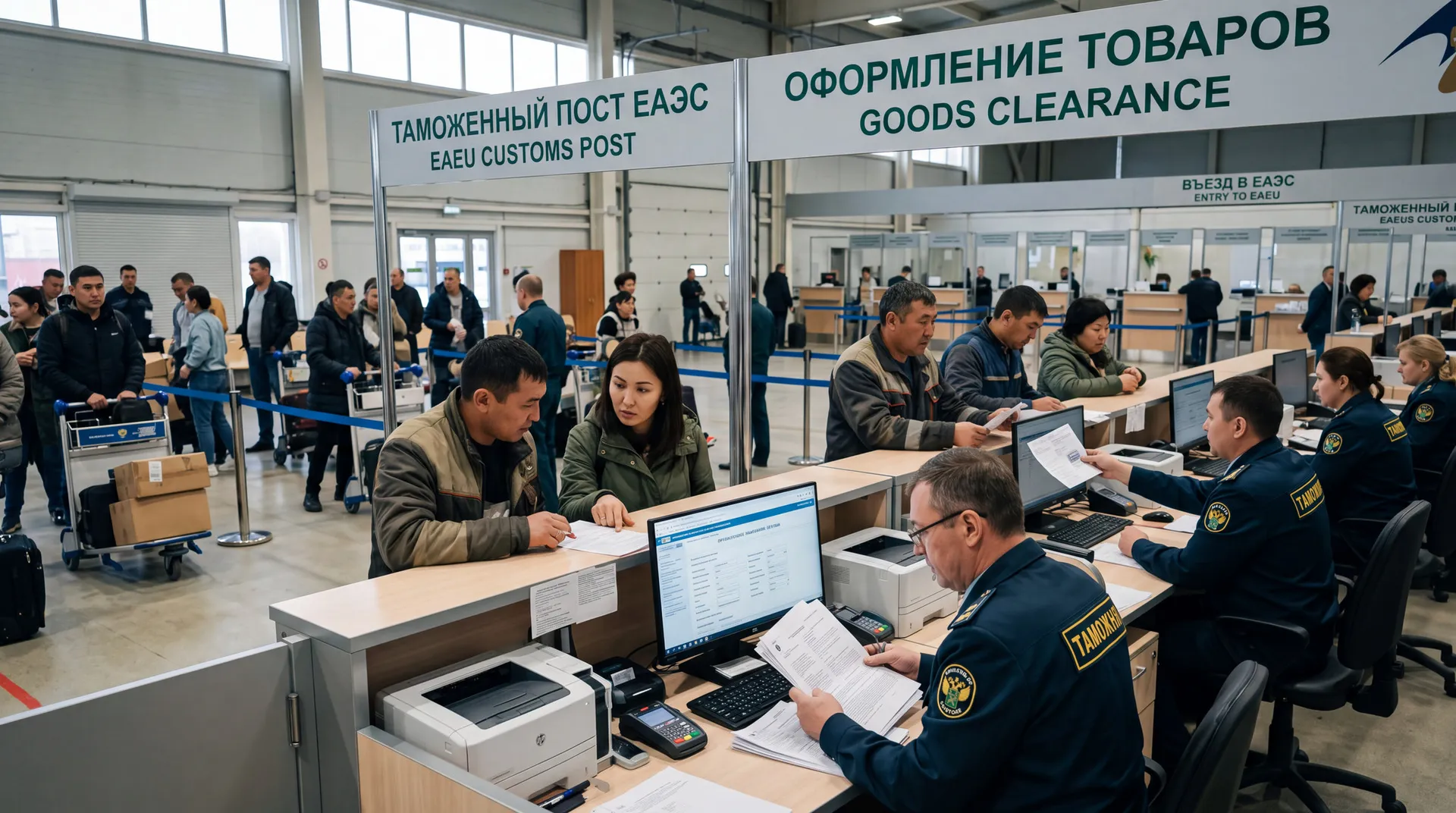
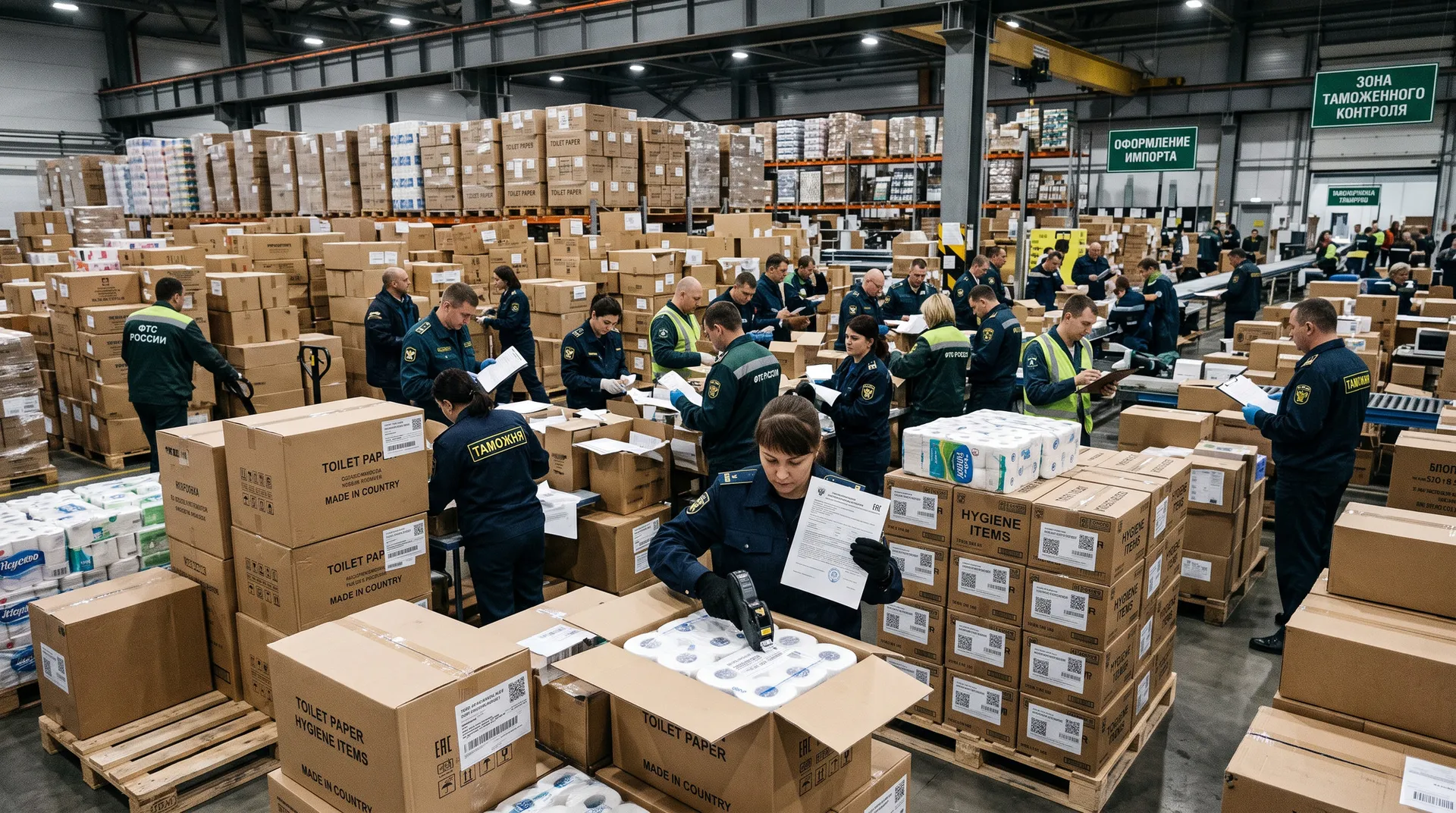
The QR code issued by the SPOT operator has no expiration date. The applicant has the right to make changes to the document on the upcoming delivery of goods (DPP) until the receipt of the QR code, and information about the vehicle - up to the crossing of the state border of the Russian Federation. When replacing a vehicle on the way, you do not need to receive a new QR code: it is enough to adjust the DOPP.
When transporting a single consignment by several vehicles, a QR code is issued for each of them separately.
Combined shipments with goods from several suppliers require a separate DPP from each applicant, even if everything is traveling in one vehicle. However, the law does not provide for issuing an exit order for only a part of the cargo: if the customs authority detects a violation for one participant in the delivery, the carrier is obliged to take out the vehicle with all the goods in it. This creates a practical risk for bona fide shippers in joint shipments.
Either the Russian recipient of the product (a legal entity or an individual entrepreneur), or the site itself, is responsible for submitting additional payment for deliveries to marketplaces — Wildberries, Ozon and other electronic trading platforms. Electronic trading platforms are exempt from making security payments for goods imported for subsequent sale to individuals. Submitting an additional payment form and receiving a QR code remain mandatory. No additional documents are required to apply for the exemption.
A security payment is also not made for deliveries to warehouses of EAEU residents without transfer of ownership to the Russian recipient, for the import of returnable containers and reusable containers, goods for laboratory testing and certification, exhibition copies, as well as property transferred under lease, leasing or gratuitous use agreements. In all these cases, registration of the DPP and receipt of a QR code are mandatory.
When importing exhibition goods to the DPP, the code "1" is indicated in the column "Special feature of the applicant" (1D), in Table 6.1.1, the code "8" (exhibition copy) is indicated in the column "Special Requirements", and the amount of the security payment is indicated as "0". The VAT sections in Table 6.1.2 are not filled in with the code "1".
SPOT requirements also apply to goods that were previously temporarily exported from Russia to another EAEU member state and returned back.
Law No. 101-FZ does not provide for integration with the Honest Mark marking system: the two mechanisms operate independently of each other.
In case of technical failures, customs inspectors switch to an autonomous mode of operation in the SPOT software. There is a Single consulting and technical Center of the Federal Customs Service of Russia for the functioning of the system: 8 (800) 300-77-71.
Related materials:
- SPOT from July 1: combined cargoes from the EAEU under mandatory DPP — how did the separate DPP rule for each part of the combined cargo begin?
- Starting from November 1, 2026, the SPOT will cover all shipments, including Belarus, when these rules become effective for the Belarusian direction.
- SPOT and electronic TTN: what changes from June 1, 2026. Part 1 — how the system works: DPP, security payment and QR code