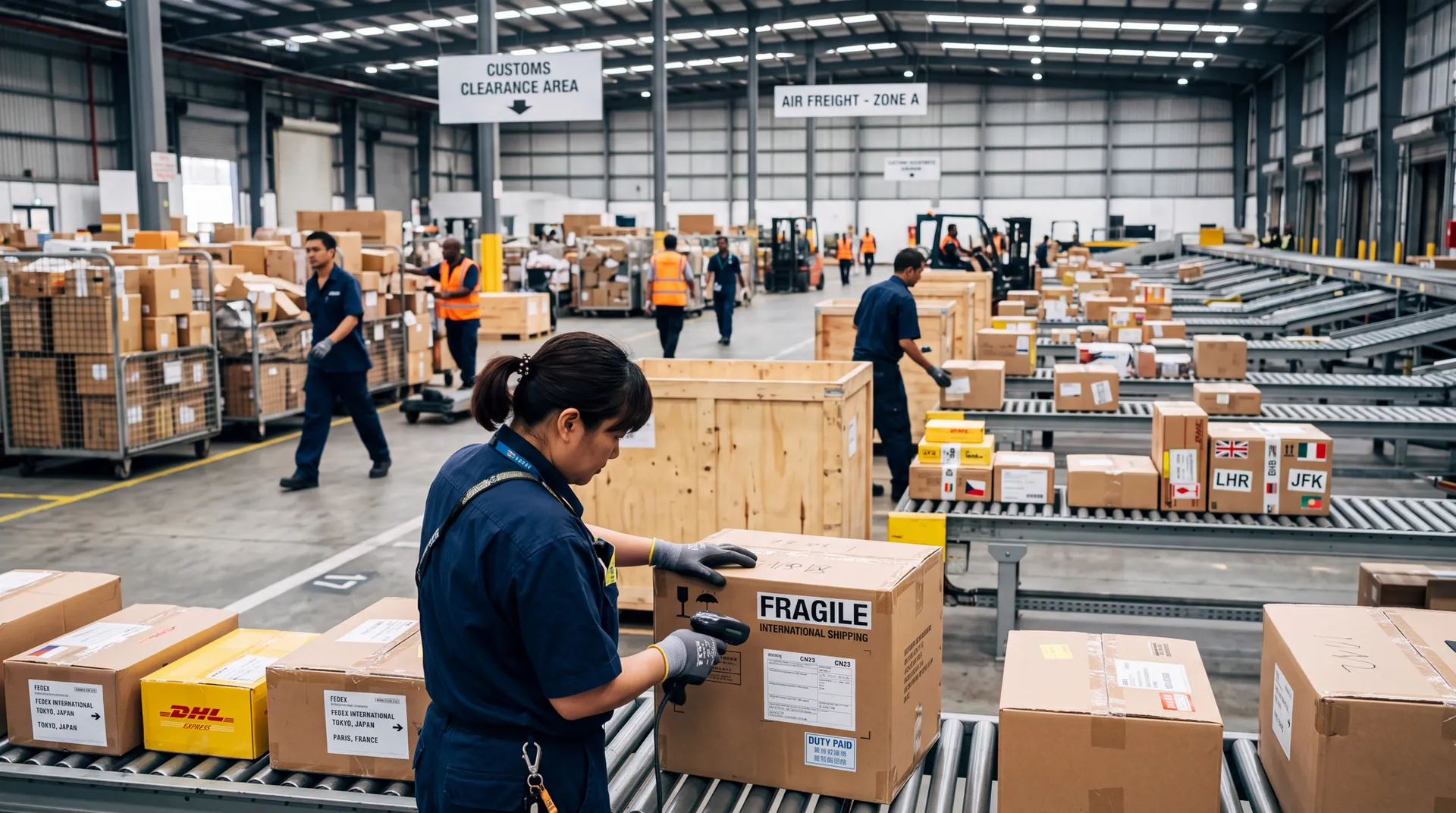
The three consecutive months of growth are not a one—time jump against the background of seasonal fluctuations, but a steady trend that began to take shape back in April, when the situation around the Strait of Hormuz forced some shippers to look for alternative routes.
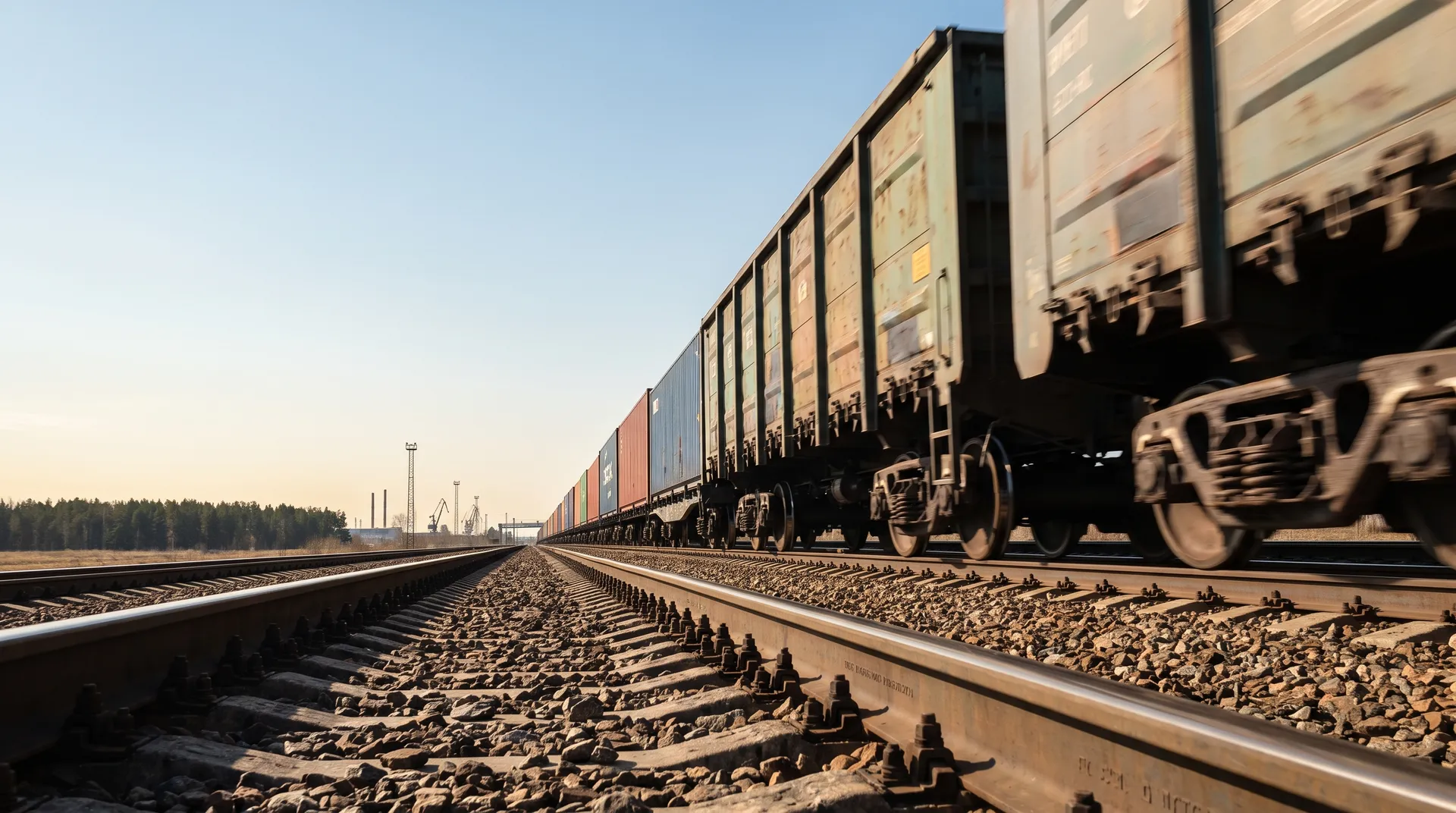
The shipping lines through the Persian Gulf have been operating in a high-risk and premium mode for several months. Companies that needed to deliver cargo without delay and without overpaying for military risks began transferring some of the volumes to the railway. The logic is simple: The land route through the EAEU and further to China does not depend on the status of the Strait of Hormuz, insurance premiums of sea carriers and queues at the ports of the Persian Gulf.
The low base of last year further increased the statistical effect of growth, but this does not negate the real increase in physical traffic volumes.
Separately, analysts have recorded abnormal growth in some product categories, where demand for fast and predictable delivery has proved particularly sensitive to shipping delays. Electronics, components, and products with a limited shelf life — these are the categories that are the first to leave the sea on rails at the first signal of instability.
Three months in a row is enough time to talk not about a temporary redistribution of goods, but about a structural shift in the preferences of shippers. Even with the full normalization of the situation in the Strait of Hormuz, some of the companies that have tried the railway as the main channel are likely to remain on it: the predictability of deadlines and the absence of military allowances are a weighty argument against a partial return to water.
For companies that have not yet reviewed the logistics scheme: overland routes through the EAEU should be considered not as a backup option in case of problems in the Persian Gulf, but as a permanent working channel with a predictable cost and timing.