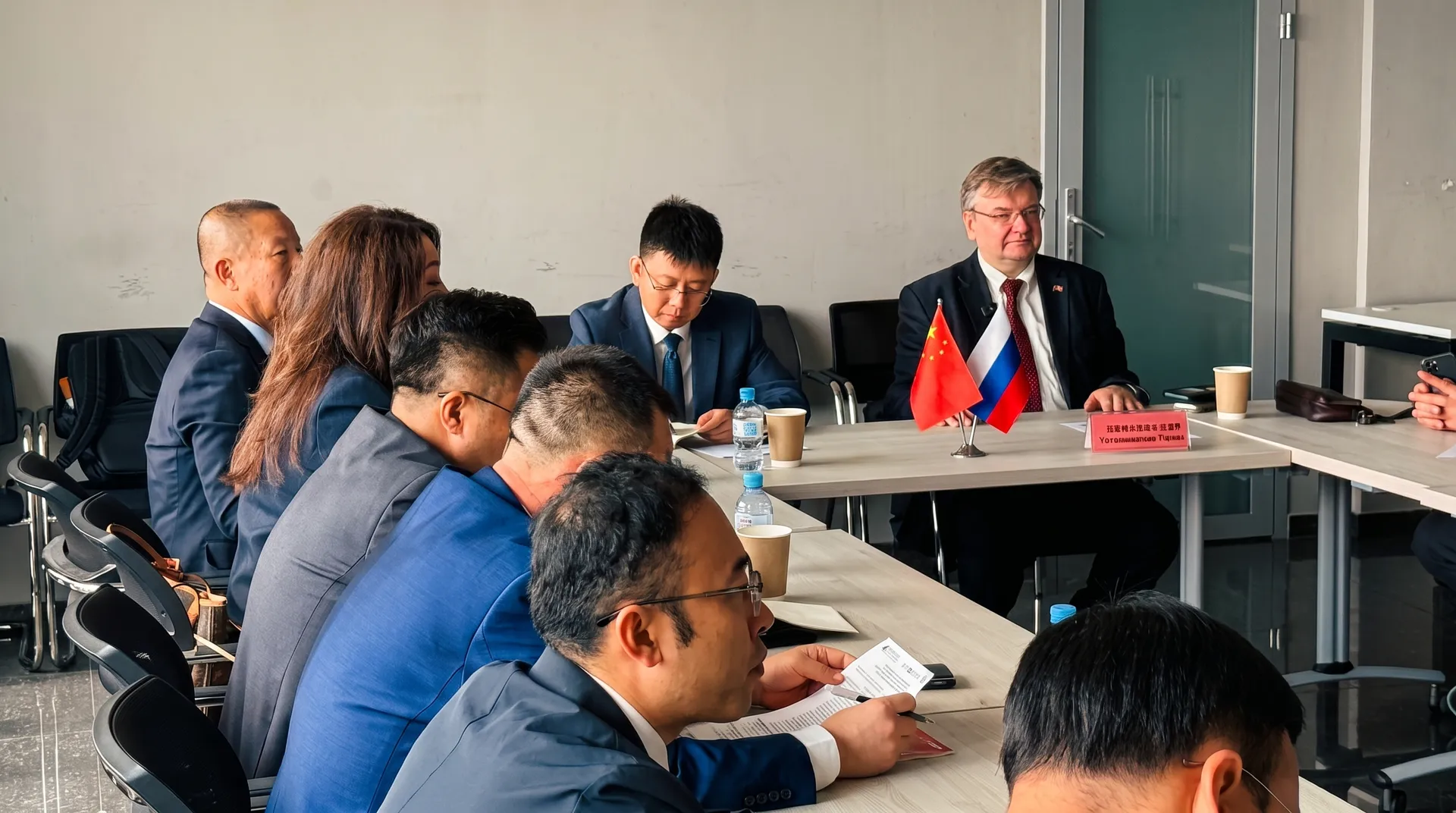
For the first time, an official delegation of the People's Government of Erlian-Hoto City, headed by Mayor Ma Haitao, arrived in Moscow. The city in the Gobi Desert is the largest land border crossing on the border of China and Mongolia, the terminus of the Trans-Mongolian railway Beijing–Ulaanbaatar–Moscow. Since 2026, Erlian-Khoto has been part of the pilot free trade zone of Inner Mongolia. Last year, about 4,000 China–Europe trains passed through the city — every fifth freight train in the country.
A meeting in a narrow format
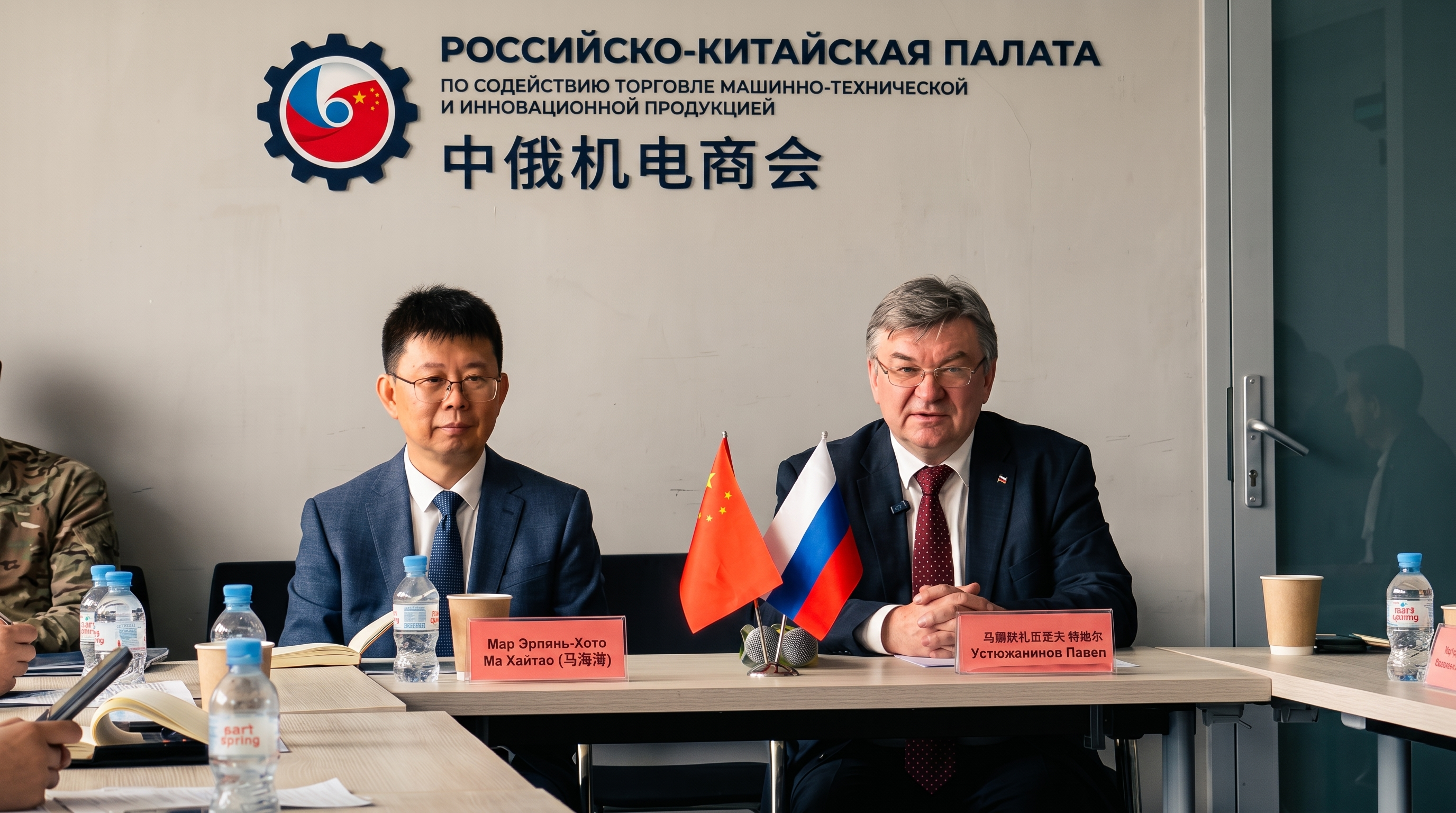
Prior to the conference, a closed meeting was held with the participation of Pavel Ustyuzhaninov, Executive Secretary of the Russian-Chinese Chamber, Maxim Zakharov, Chairman of the International Cooperation Committee of the MRO Delovaya Rossiya, Dmitry Bystrov, Chief Expert of the Department of External Relations of the Chamber of Commerce and Industry of the Russian Federation, Natalia Zadonskaya, Head of the Department of Foreign Projects of the Directorate of International Transport Corridors, and Sergey Arkhin, Chairman of the Association of Regional Agricultural Producers.
Mayor Ma Haitao introduced the delegation: the Secretary General of the government and the head of the Board for Free Trade, each responsible for their own area of cooperation with Russia.
Free trade zone: conditions for Russian business
The central theme of the conference was the presentation of the Erlian-Hoto Free Trade Zone. Mayor Ma Haitao outlined the principles of the FTA: international standards as a common framework, minimum tax requirements, free business conditions and equal access for all participants.
"I listened to your speeches very carefully and received very useful advice. At the State level, we need to get to know these projects in more detail. I am ready to answer your questions about cooperation in the Free Trade Area," the mayor said. According to him, the Chinese side is ready to provide convenient service conditions and an equal environment for all participants. Separately, the mayor supported the idea of creating an information exchange platform between Russian and Chinese partners.
OZON is considering the construction of warehouses in the Free Trade Zone
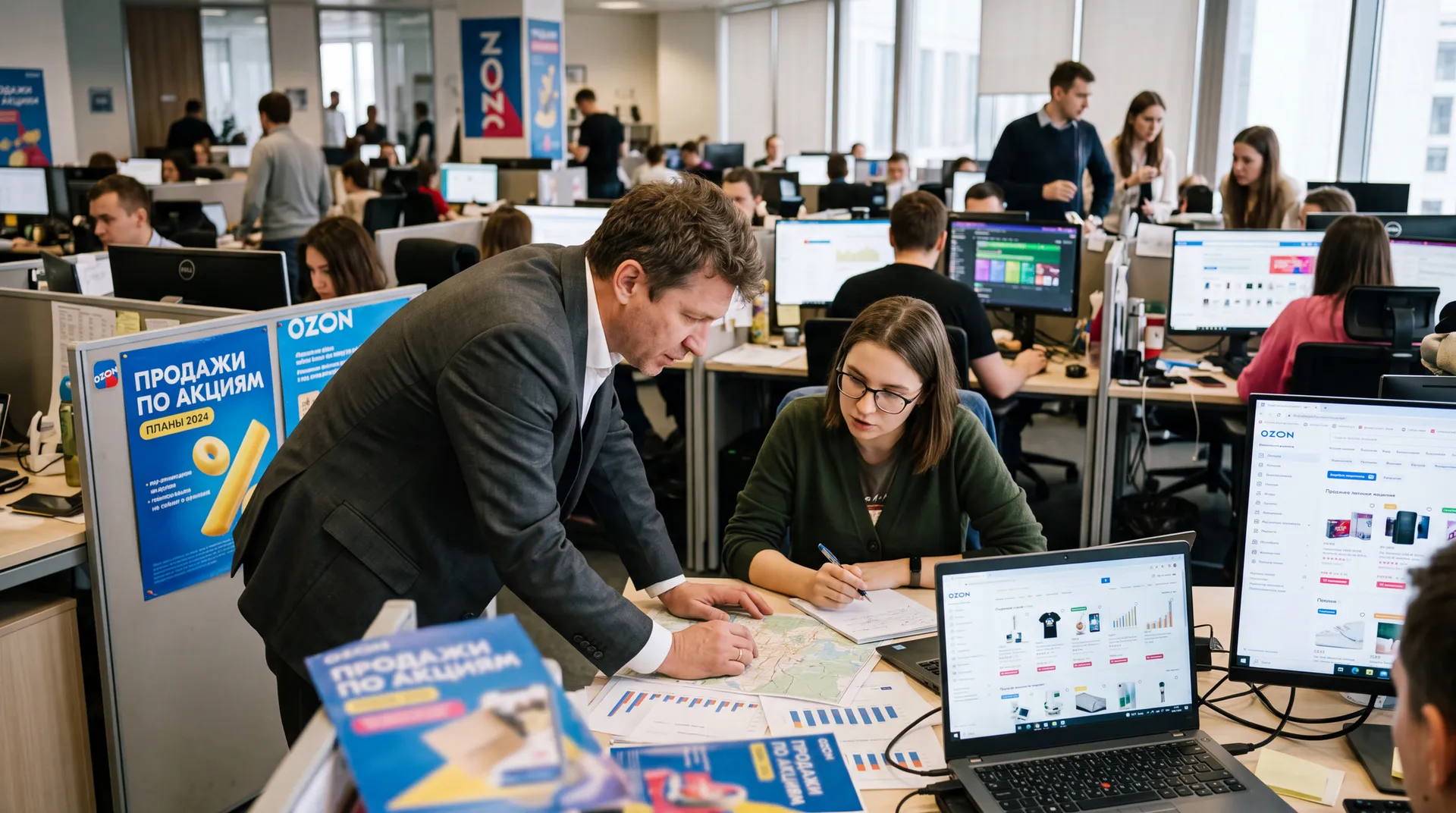
One of the key signals of the conference was a speech by representatives of OZON: the company is considering the possibility of building a warehouse infrastructure on the territory of the Erlian-Hoto Free Trade Zone. The interest of the largest Russian marketplace in the site is a weighty argument for small and medium—sized businesses looking for logistical leverage in China.
Agroexport and fairs in Mongolia
Sergey Arkhin, Chairman of the Association of Regional Agricultural Producers and organizer of exhibitions and fairs in Mongolia and other countries, presented the prospects for the supply of Russian agricultural and food products to the markets of Mongolia and China through the Erlian-Hoto infrastructure. According to him, the fairs format has already proved effective as a tool for direct entry of Russian manufacturers into foreign markets.
MTK and transport corridors
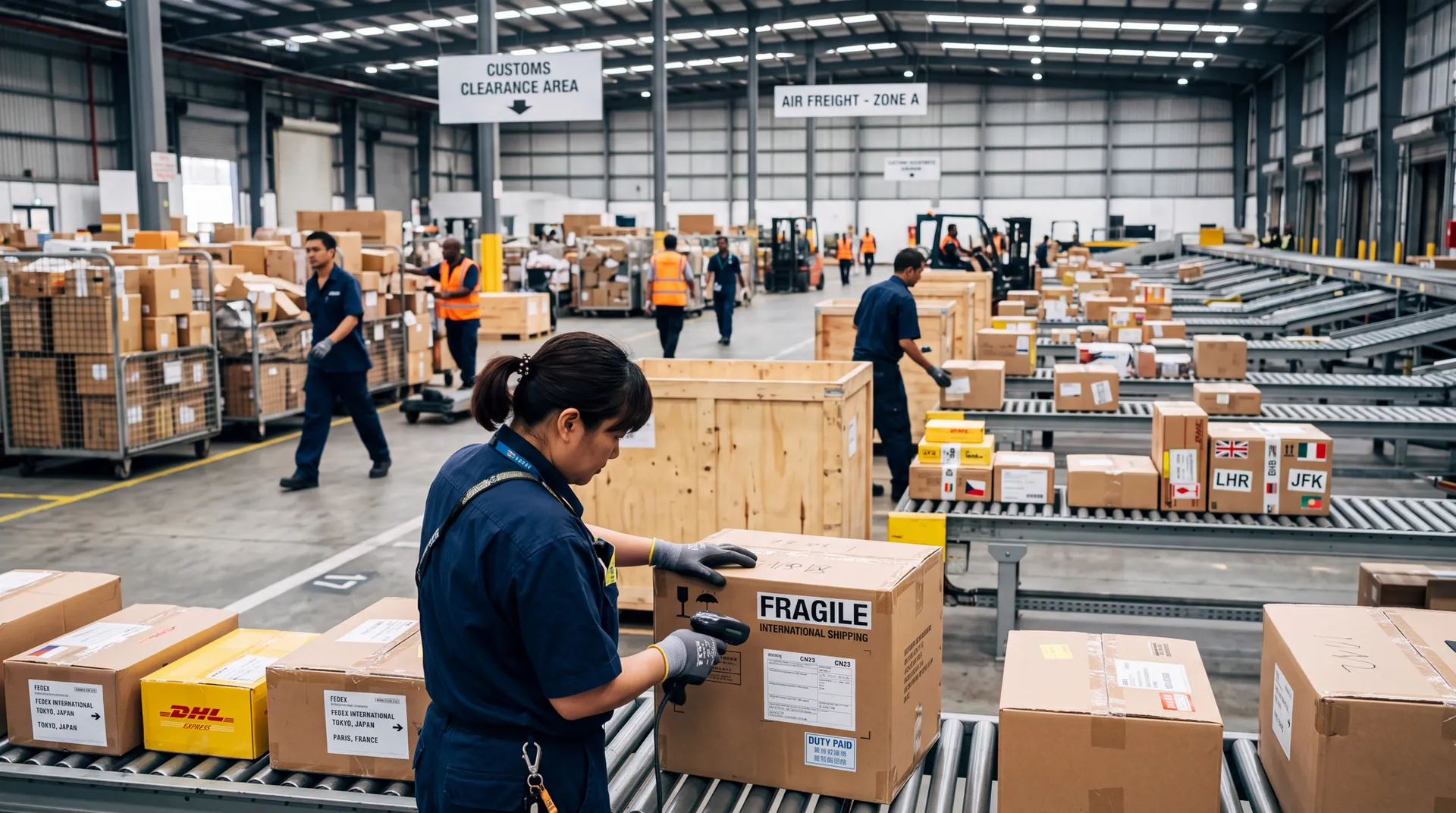
Natalia Zadonskaya, Head of the Department of Foreign Projects at the Directorate of International Transport Corridors, outlined her willingness to cooperate in the development of international transport corridors using the Erlian-Hoto infrastructure. The city has road and railway checkpoints and has direct access to 71 China–Europe international cargo transportation routes.
Legal protection: a new tool for business
Andrey Baskov, Legal Affairs Coordinator, announced the creation of the Russian-Chinese Law Commission in response to appeals from Russian entrepreneurs who have encountered difficulties in China. The Commission cooperates with the Russian Government on the settlement of disputes over substandard supplies. Commercial arbitration is proposed as the main tool: confidentiality, speed and economic efficiency. Baskov also appealed to the mayor with a proposal to recommend an arbitration court in Mongolia as a neutral platform for Russian-Chinese disputes in conjunction with the arbitration center.
The commission's next training seminar will be held on July 16-17, 2026 in Moscow as part of the practical conference "Three Keys to China: Calculations, Chains, Relationships."
Chinese business — to Russia
Irina Todey, a representative of the Council for the Development of Foreign Trade, which has been working for more than 10 years, presented tools for Chinese companies entering the Russian market. Over 300 international projects have been implemented during this time. The Council offers a three-day online "Do Business in Russia" course, a Russian language course for Chinese entrepreneurs, B2B meetings with Russian companies, and a business accelerator program — a full cycle of entering the Russian market from partner search to operational launch.
Education and law as a bridge
Ekaterina Maximova presented the direction of event tourism and academic cooperation. Educational institutions in Russia and China are working on cooperation at the Institute of Economics and Law as a tool for long—term partnership between the countries.
Results and next steps
Pavel Ustyuzhaninov summed up the meeting: following the results of the conference, a working group on interaction is being created on an ongoing basis, and the opening of a representative office is being considered to expand business ties between Russian businesses. The next major venue is the Russian—Mongolian Forum in Ulaanbaatar, September 17-20, 2026.
After the conference, the Erlian-Hoto delegation visited the A.A. Borisyak Paleontological Institute of the Russian Academy of Sciences and the Skolkovo Innovation Center.
The material was prepared based on the results of the Russian-Chinese business meeting, July 7, 2026, World Trade Center, Moscow.