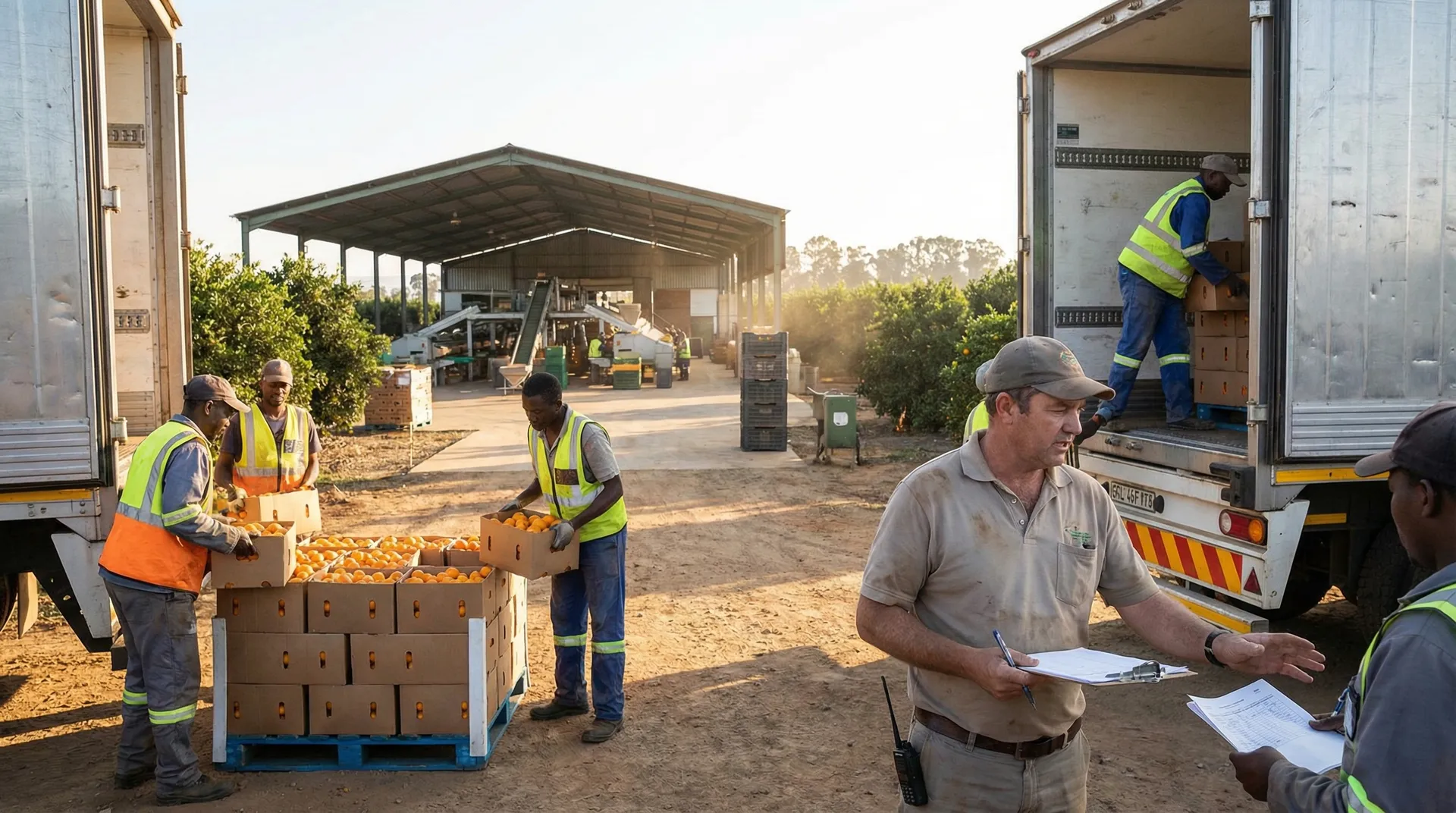
The citrus export season in South Africa starts amid concerns about diesel. Industry associations have warned that disruptions in fuel availability and rising prices could disrupt some of the logistics plans at the very moment when the active export of products to foreign markets begins.
For business, everything here is extremely substantive. The citrus sector of South Africa remains one of the largest export destinations of the country's agricultural sector, which means that any problem with fuel quickly turns into a problem with export, timing and quality of supply. Reuters notes that 95 percent of the country's citrus fruits are shipped to ports by truck. This makes the industry particularly dependent on diesel.
The situation is also important in a broader context. When agricultural exports turn out to be sensitive to the fuel market, buyers and logistics partners begin to review risks in terms of timing, and sometimes contractual terms. For importers, this means having to set a time reserve in advance. For carriers and terminals, this is a signal of possible uneven shipments.
At the same time, the industry itself remains export-oriented. According to Reuters data from April 1, South African manufacturers expect a new record year in export shipments if they manage to mitigate the impact of the fuel shock and external risks.
For a B2B reader, this is not a local agricultural story. This is an example of how diesel and transport accessibility continue to directly drive the export economy, even in strong and experienced supplying countries.