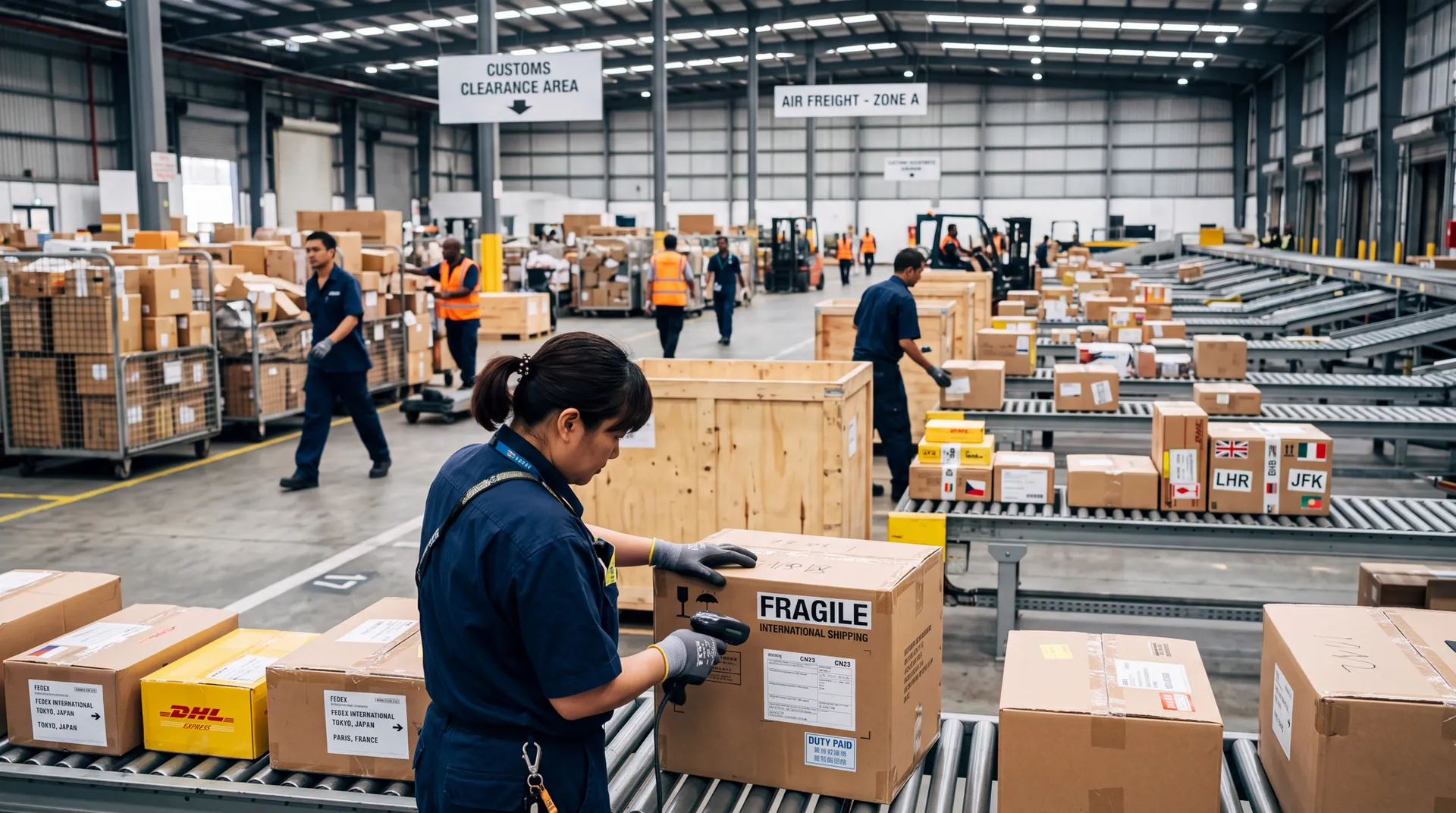
Logistics today is not just about moving goods from point A to point B. Modern logistics companies play a key role in the economy, ensuring stable supplies, expeditious processing and transparency at all stages of delivery. Their work begins long before the goods arrive at the warehouse or in transport.
The transportation process includes many steps: from picking up products from the manufacturer, sorting and labeling them in the warehouse, to choosing the optimal route and the last mile — delivery to the door of the final recipient. Modern logistics is based on the principles of flexibility and digitalization: companies are ready to offer both a full cycle and separate stages of cargo support.
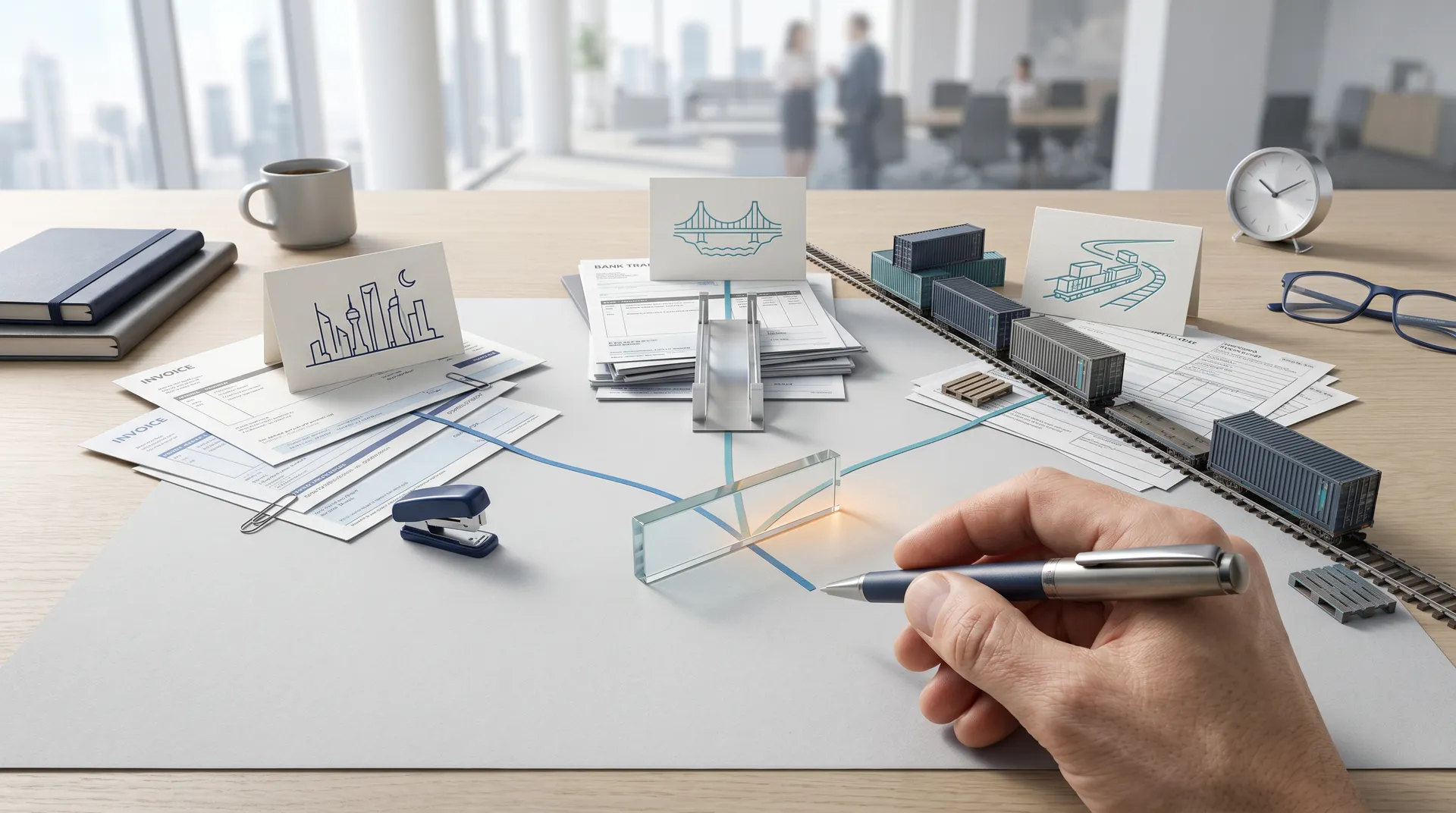
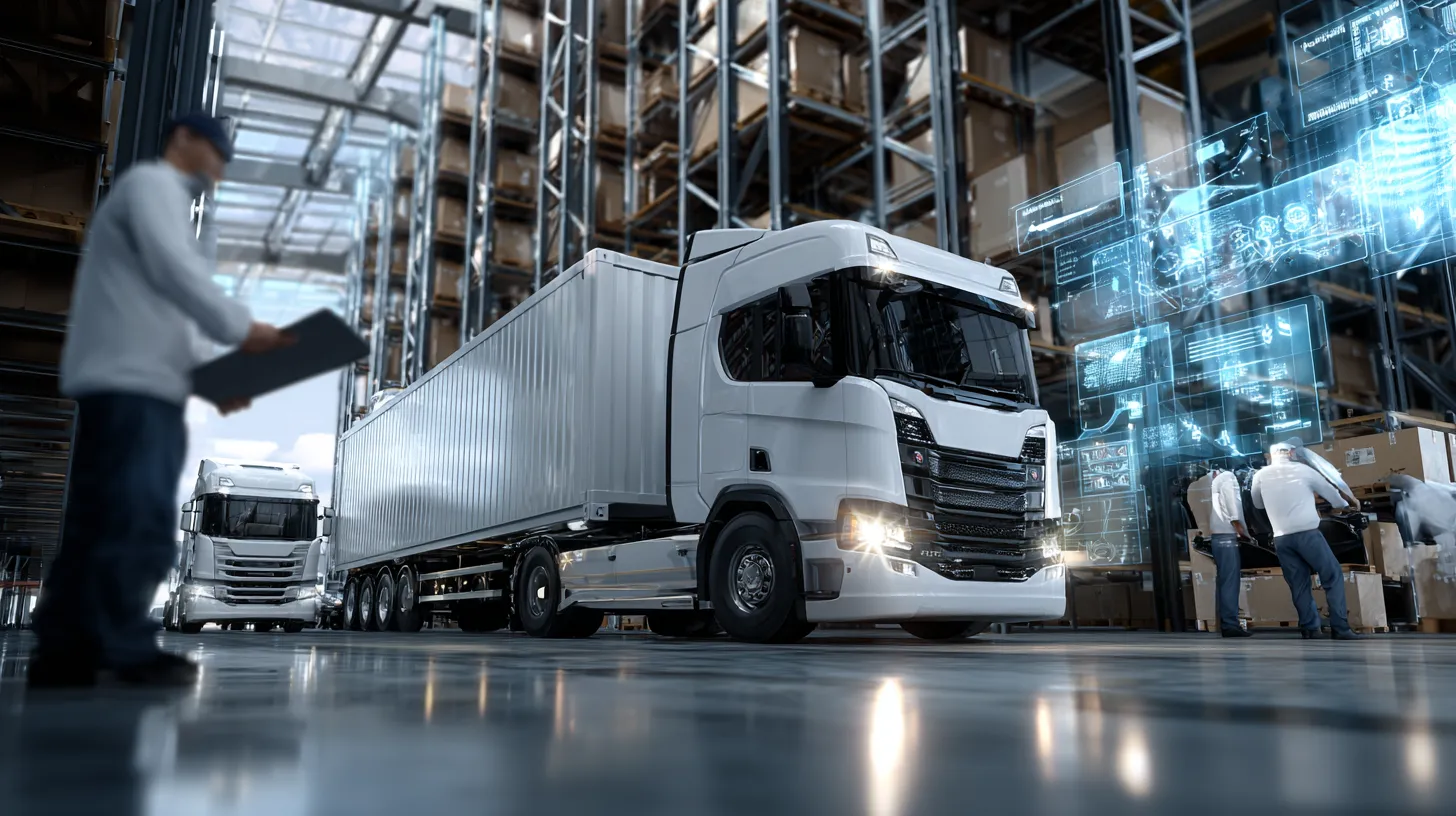
One of the key problems is the layering of logistics chains. It requires digital tools to track the movement of goods in real time. This is especially important against the background of rapidly changing legislation, where the relevance of information and the speed of reaction are becoming crucial. Logisticians implement automated systems, analyze routes, optimize costs, and resolve legal issues in collaboration with experienced brokers.
When choosing a logistics partner, clients should pay attention to its reliability, technical equipment, range of services and customer orientation. Companies that are able to offer personalized solutions and support in difficult regions are becoming especially valuable.
However, logistics outsourcing is not suitable for everyone. There are cases when the development of an internal logistics division is justified: for example, if unique transportation conditions or special quality requirements do not allow the transfer of functions to an external contractor.
Changes in the market also have an impact on the industry. Prices for transportation services continue to rise under pressure from rising fuel costs, rent, labor, and digital systems. An important factor is mandatory labeling. The expansion of the list of products subject to the mandatory Fair Sign system leads to increased costs for equipment, training and integration.
Mandatory labeling of light industry goods will come into force on March 1, 2025, and a ban on the import of unmarked products will be introduced in July. This forces logisticians to review business processes and adapt to new requirements. Final conclusions about the impact of the new regulations on the price of transportation can be made closer to the end of the year.
Modern logistics is a precise, technological and strategic activity. Companies that invest in transparent processes, digital transformation, and customer service win the competitive race and form the sustainable supply chains of the future.