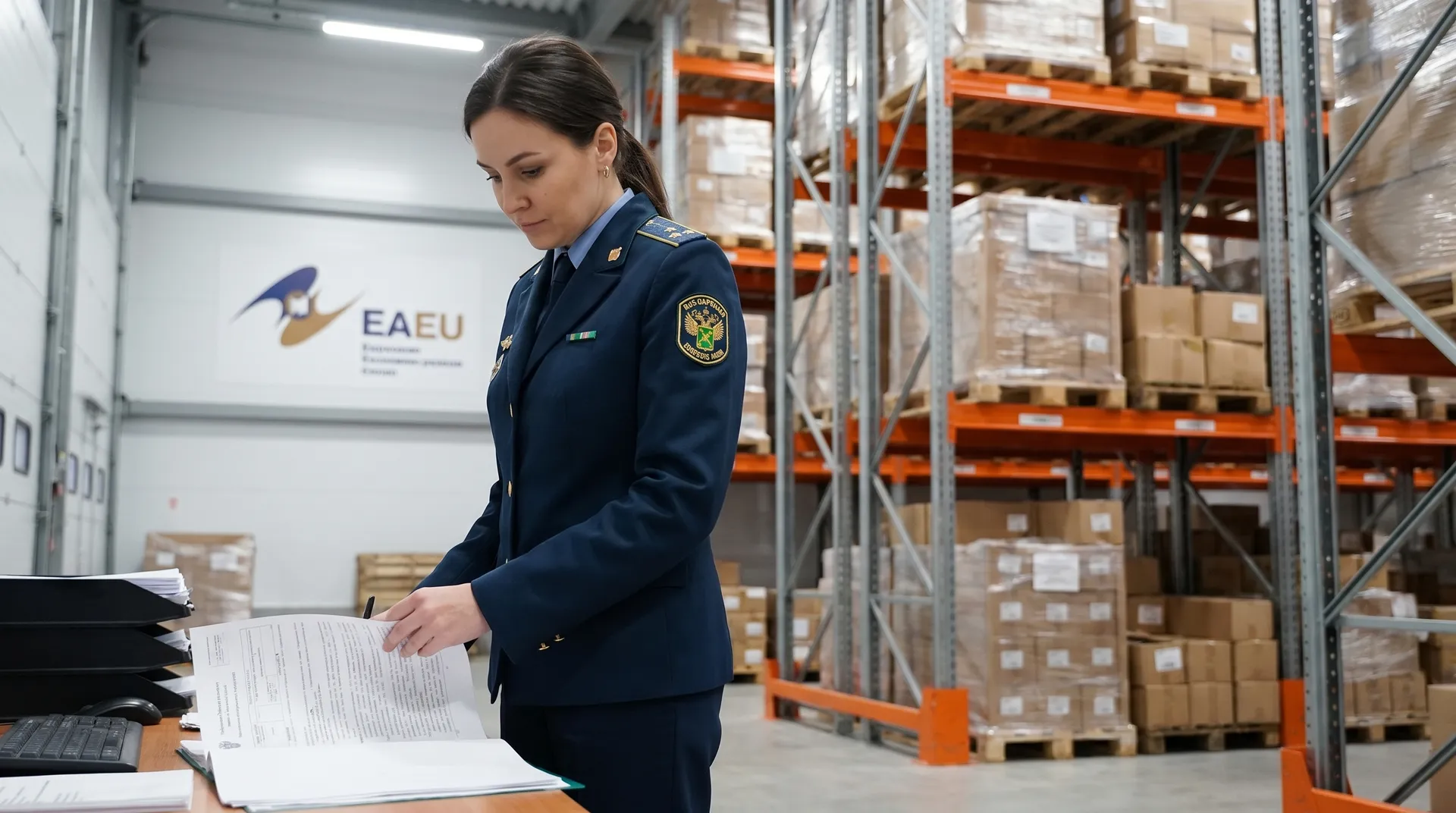
An authorized economic operator is a kind of "green corridor" in customs. Companies with AEO status go through customs clearance faster, work with simplified procedures and carry less administrative burden. The new decision of the EEC adds another privilege to this list.
What exactly was allowed
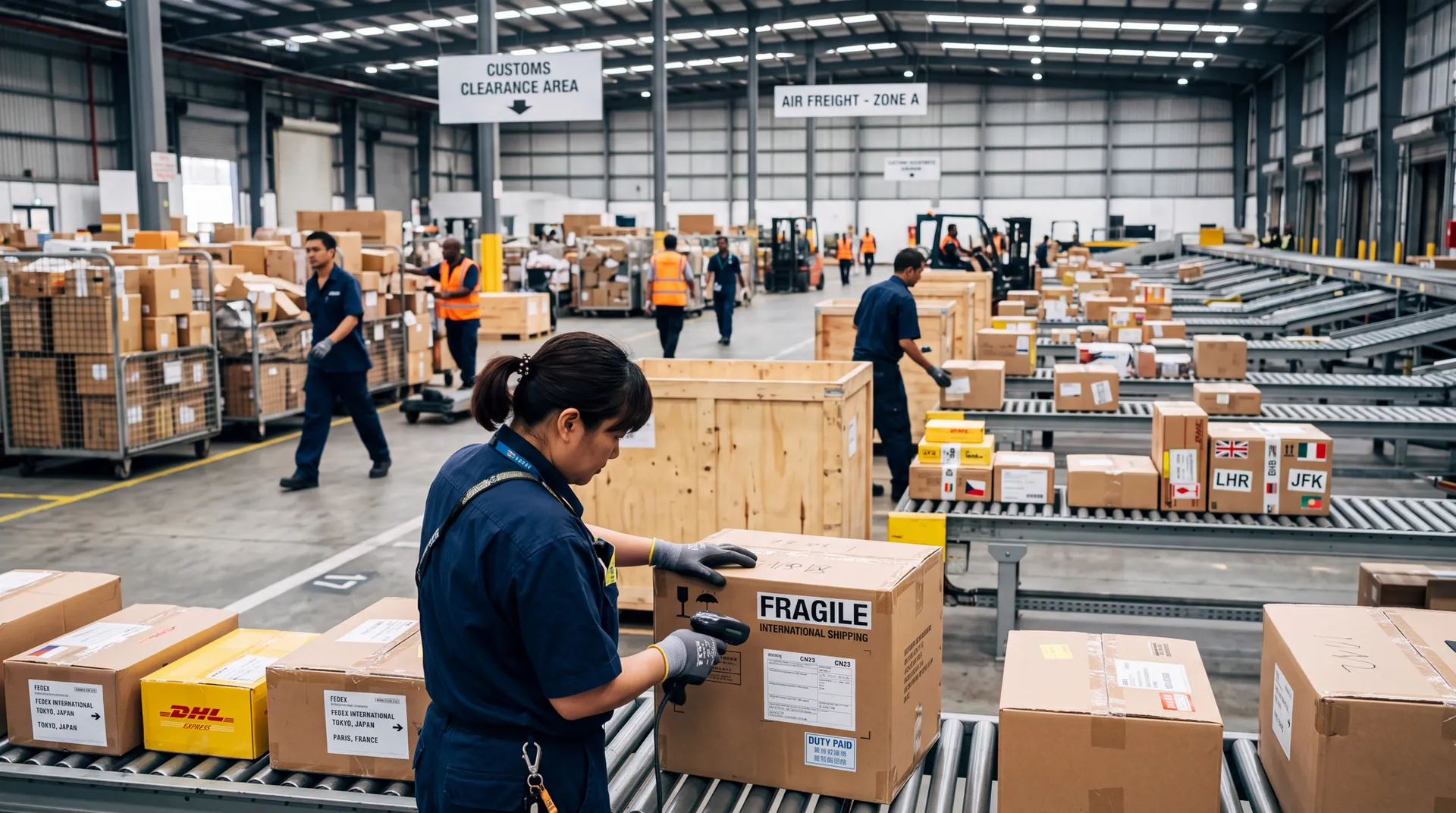
AEO received the right to split up shipments, sort and label goods directly in their warehouses — without prior approval from the customs authority. Previously, any operation with cargo under customs control required notification and, in fact, approval from the inspector. Not anymore.
For companies with large volumes of supplies and a wide range, this removes one of the slowest stages: waiting for customs clearance for cargo operations inside their own warehouse.
Why didn't Belarus support it
The decision was supported by Russia, Kazakhstan, Armenia and Kyrgyzstan — all four EAEU countries without Belarus. The official position of Minsk was not disclosed, but this is not the first time that Belarus has taken a more cautious position on the expansion of AEO privileges. In practice, this means that the new rules apply to warehouses in Russia, Kazakhstan, Armenia, and Kyrgyzstan, but not in Belarus. This is important for companies using Belarusian warehouses for cargo operations.
What gives AEO status?
For those who have not yet registered their status: the list of privileges is growing. In addition to the new right to cargo operations, there is a simplified release of goods, reduced security for customs payments, and priority in documentary control. Starting from June 1, 2026, AEO will be included in the list of companies that receive the right to import goods without paying customs duties in advance.
The requirements for obtaining the status are stable foreign economic activity for at least two years, no arrears to customs and tax, and financial guarantees. The procedure is not fast, but it pays off with regular large deliveries.
Practical implications
For existing AEOS— it is necessary to restructure internal procedures: it is no longer necessary to coordinate crushing and labeling, operations can be carried out independently with documentary confirmation. For companies considering obtaining the status, it is important to assess how much the growing list of advantages covers the operational costs of its design and maintenance.