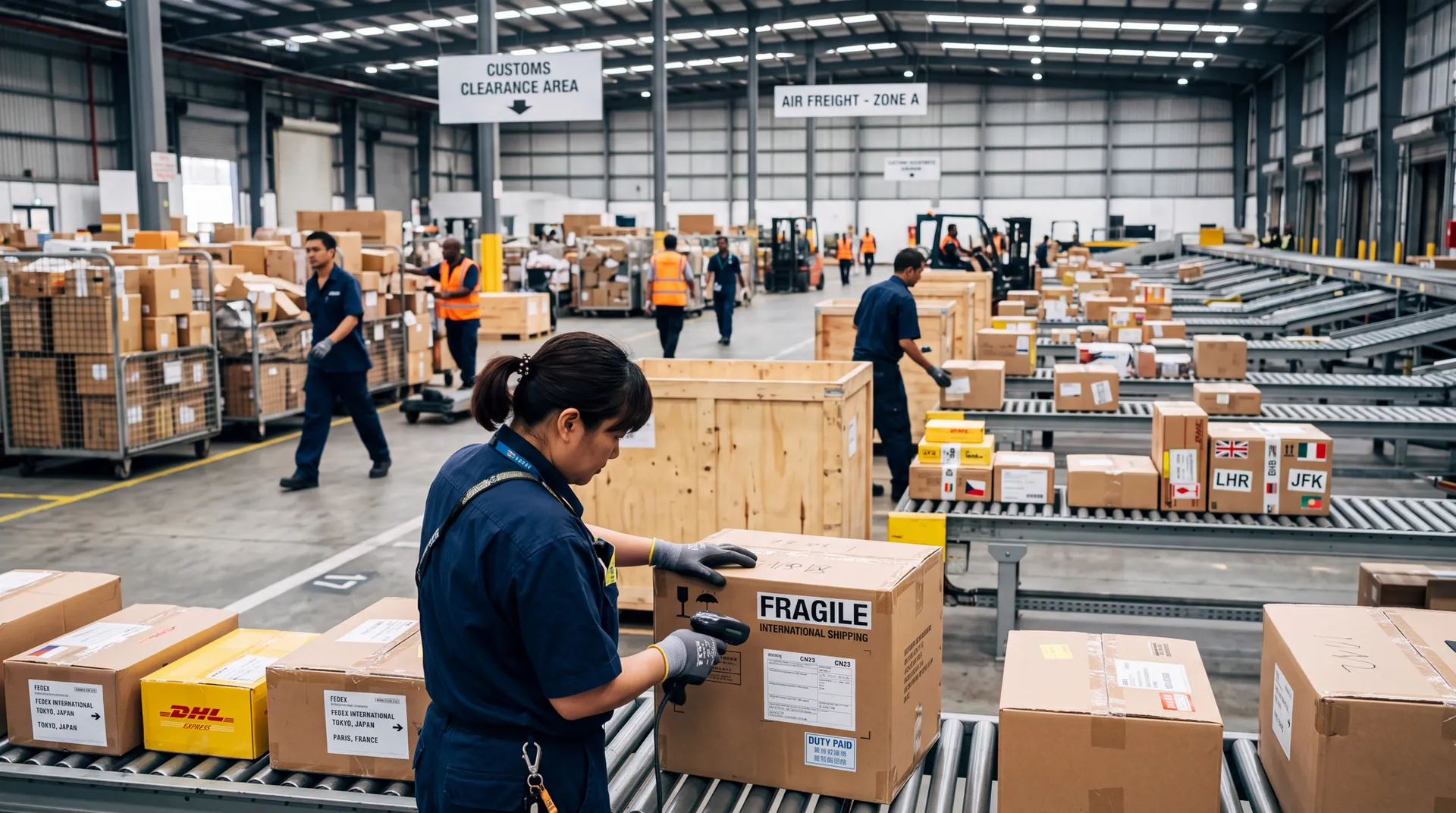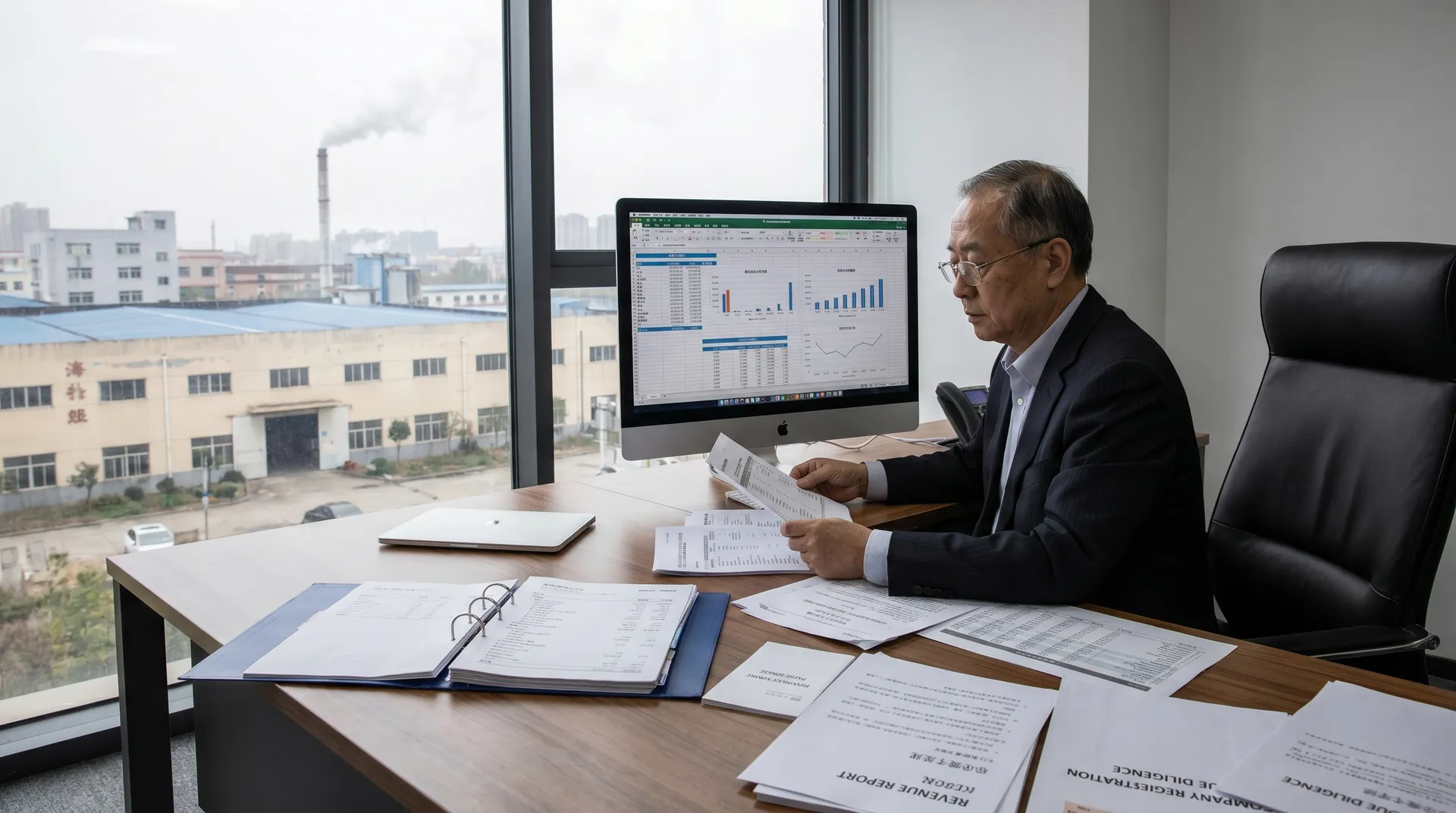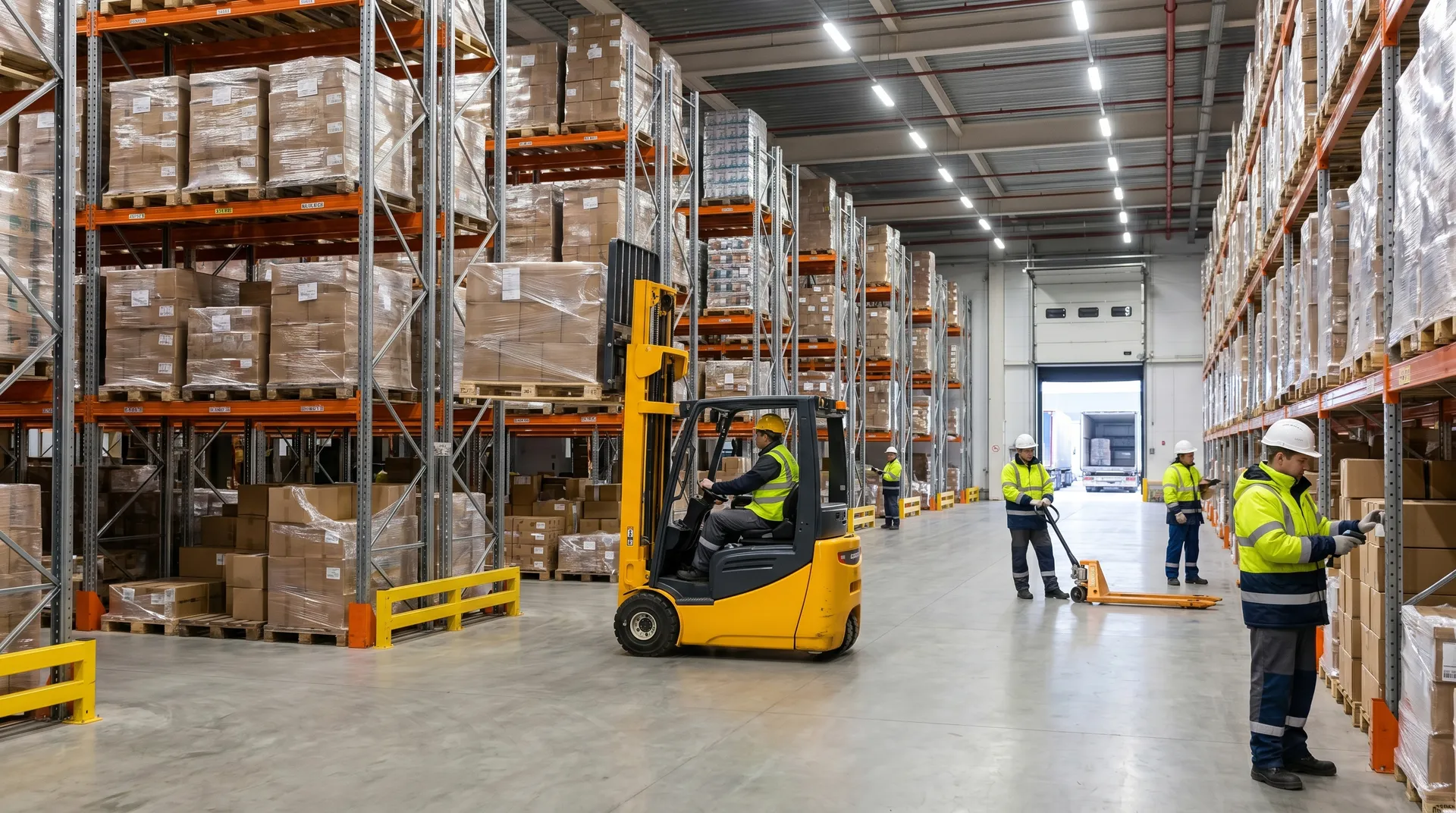
The logic is simple: When money is expensive, having your own fixed assets — warehouses, transport, staff — is more expensive than paying for a service. This is exactly what is happening on the Russian market in 2026.
Market figures
The Central Bank's key rate dropped from 21% at the end of 2024 to 14.5% in April 2026, but even this level makes credit financing of warehouse infrastructure painful. The construction of a class A warehouse costs 80-120 thousand rubles per square meter, rent — about 10-14 thousand rubles per square meter. m per year. At a rate above 14%, the payback period for your own facility stretches to 12-15 years.
At the same time, 3PL operators offer flexible models: you pay for the pallets and orders actually used, without capital investments. For medium and small businesses, this is a fundamentally different economy.
What is happening in the warehouse market
According to analysts, 2026 is being called the "tenant market" — for the first time in several years, companies looking for a warehouse have a real choice. Vacancy rates in Class A warehouse real estate rose to 1.5% in a number of regions after almost zero values in 2024. New facilities are being commissioned in Kazan, Krasnodar, and Novosibirsk.
Marketplaces and retail chains are generating the main demand, but their appetite has slowed down: with high rates, no one is in a hurry to build for themselves, and big players are also eyeing 3PL.
Why is this important for importers
For companies importing goods from China, India, and the EAEU countries, the choice between their own warehouse and 3PL is a matter of capital turnover. Money frozen in rent or construction does not work for purchases. This is especially painful when the purchase currency is high and the logistics shoulders are long.
3PL offers another advantage: flexibility during seasonal peaks. Importers with unstable demand — seasonal goods, categories with high volatility — can scale storage without space obligations.
What happens to 3PL prices
The growing demand for outsourcing inevitably puts pressure on the rates of operators — competition for the best partners is intensifying. Those who managed to secure long-term contracts with 3PL in 2024-2025 found themselves in a better position. For new contracts, now is the time for negotiations, while the supply of warehouse space remains increased.
The horizon of changes
Analysts expect a reduction in the key rate to 10-11% by 2028. In this scenario, marketplaces and large retailers will resume building their own facilities. Until then, the 3PL market will continue to grow. According to the forecast, the volume of transactions in regional warehouses in 2026 will amount to 3.2 million square meters. m is an increase of 55% compared to last year.