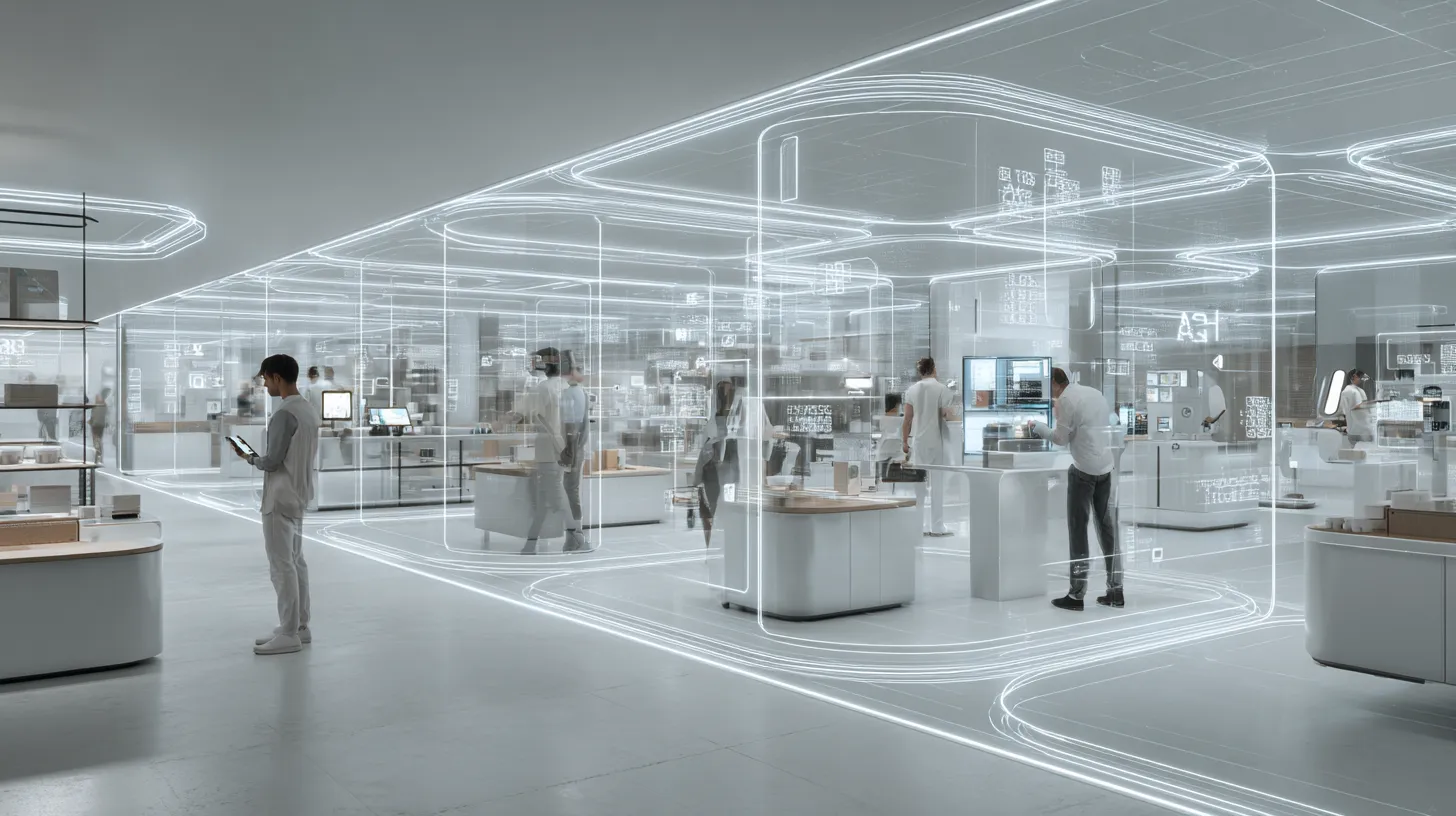
In the next five years, artificial intelligence will radically transform retail, turning stores into smart spaces that can adapt to the needs of each customer. According to the results of a joint analysis by Tochka Bank and the Dsight analytical platform, the development of AI technologies in retail is gaining rapid momentum, and by 2030 we will see drastic changes in approaches to sales and customer interaction.
Hyperpersonalization will be one of the key areas. Already today, algorithms are able to take into account customer preferences, their purchase history, and online behavior. An example is Lamoda, which introduced personalized storefronts using AI, which led to an increase in repeat purchases and user engagement.
Generative AI will play an equally important role. More and more companies are automating the creation of content, from product descriptions to visual banners. This allows you to reduce costs and increase the speed of launching marketing campaigns. An example is a service from Tochka Bank that allows you to generate SEO descriptions for marketplaces in one click.
Dynamic pricing is also coming to the fore. Artificial intelligence systems monitor demand, balances, and user behavior, offering up-to-date discounts and personalized promos. Such technologies have already proven their effectiveness, increasing the revenue of retail chains in a matter of weeks.
Do not forget about the role of chatbots and voice assistants. They are already taking over a significant part of the customer service, and in the future they will become full-fledged consultants for both customers and company employees.
However, despite the obvious advantages, there are challenges. These are the protection of personal data, the shortage of IT specialists and the high cost of implementing technologies in offline locations. Nevertheless, analysts are confident that the development of AI in retail is inevitable, and those who start the transformation today will benefit.