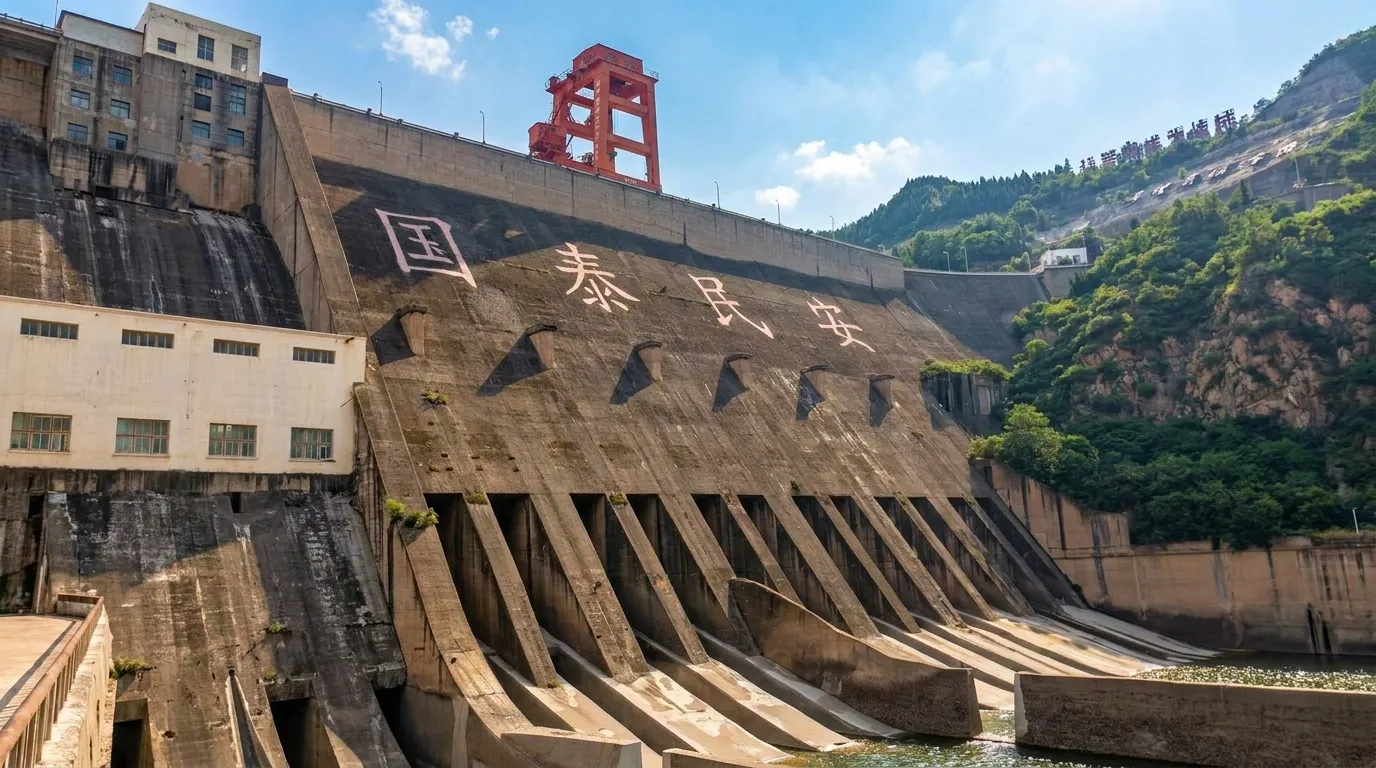
Eleven billion dollars is an amount comparable to the budget of a small country, invested in one infrastructure facility. This shows how important inland water logistics is for China in its long-term development strategy.
The Yangtze River is the main transport artery of central and eastern China, connecting industrial regions inland with coastal ports. The existing gateways have been operating at the capacity limit for several years, creating bottlenecks for goods that need to get from domestic production facilities to export terminals.
The new gateway solves exactly this problem — it increases the volume of vessels that can pass through a key point of the route per unit of time. For manufacturers located far from the seashore, this means faster and cheaper delivery of goods to shipping ports.
The direct connection to Russian imports is not immediately obvious, but it is there. More and more Russian logistics companies are looking for routes through China's inner provinces, bypassing congested coastal terminals — the agreement between FESCO and the Datong land hub in Shanxi Province, which became known last week, follows the same logic.
The expansion of the inland water infrastructure reduces the cost of shipping goods from factories inland to any exit point, be it a seaport or an overland border crossing towards Russia. For companies that are already building relationships with manufacturers from the inner provinces, this is a signal: the logistical leverage from the factory to the border will become cheaper and more predictable as new infrastructure facilities are put into operation.
The horizon for the implementation of such projects is not months, but years. But for long-term planning of purchases from China, this is an important context: the country systematically invests in reducing domestic logistics costs, and sooner or later these investments are translated into more favorable conditions for foreign partners.