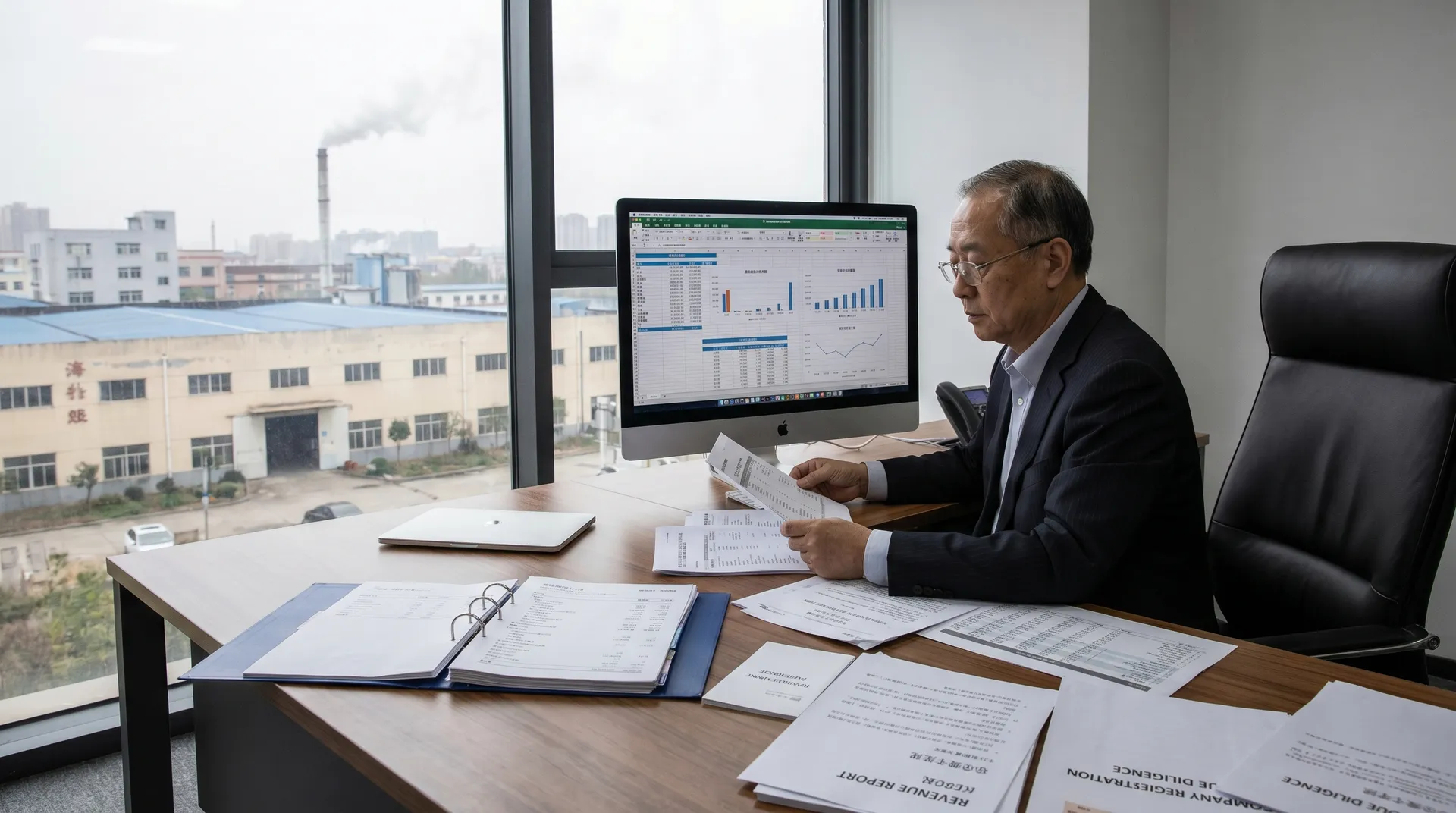






The desire of Chinese automakers to further shorten development cycles has faced tougher supervision. Chinese regulators are strengthening safety and quality controls, fearing that the pace of bringing models to market is hitting product reliability.
The numbers explain the concern. According to industry estimates, artificial intelligence is able to reduce the development time of a new model to about 18 months, compared to two years today. For many traditional foreign manufacturers, the same cycle takes from three to five years. In the first half of 2026, the Chinese market was flooded with hundreds of new and updated models, and at the same time, the number of recall campaigns among local brands increased dramatically.
The regulator's response is a large—scale review of the industry. All brands were required to identify and fix defects, including minor ones, and officially record each case in reports that companies must submit by the end of 2026. Local authorities have been instructed to strengthen control over the implementation of the new rules.
A separate track is the requirements for autopilot systems: new mandatory standards of the Ministry of Industry are planned to be introduced by July 1, 2027, and an annual delay is provided for already certified models. The goal is to limit the sale of cars where autopilot is used as a marketing argument.
For Russian importers and dealers of Chinese equipment, the consequences are applied. The timing of the launch of individual models on the market will shift: the manufacturer, who is obliged to document every defect, will not release the new product at the same pace. The requirements for compliance documentation will increase, which means that the time frame for preparing the kit for certification in the EAEU will also increase. At the same time, the quality of the tested models should increase, and with it the predictability of warranty obligations.
What to do now. Check with suppliers whether the contracted models are subject to ongoing inspection and what delivery dates they confirm for the fourth quarter. Do not make sales plans for announced but not yet certified new items. And request an updated package of technical documentation from the manufacturer in advance: if the requirements for defect reporting change, the composition of the documents that will have to be submitted during conformity assessment also changes.
Similar materials on the website
- Since September 1, Rosstandart has been taking 300 HS items under supervision — the Russian side of the same topic: vehicles and components in the supervision list