Next year, government support for export activities will be significantly strengthened: additional funds in the amount of about 24.76 billion rubles are planned to be allocated for the implementation of the national project "International Cooperation and Export". This decision was made following a meeting of the presidium of the Commission of the State Council of the Russian Federation responsible for the development of export policy and international cooperation with the participation of the Ministry of Industry and Trade of the Russian Federation.
The national project "International Cooperation and Export" was launched with the aim of stimulating non-primary exports of Russian industrial products, increasing the competitiveness of domestic companies in foreign markets and creating predictable conditions for entering international markets. Additional budgetary resources are designed to ensure sustainable financing of key support measures and enhance their scale.
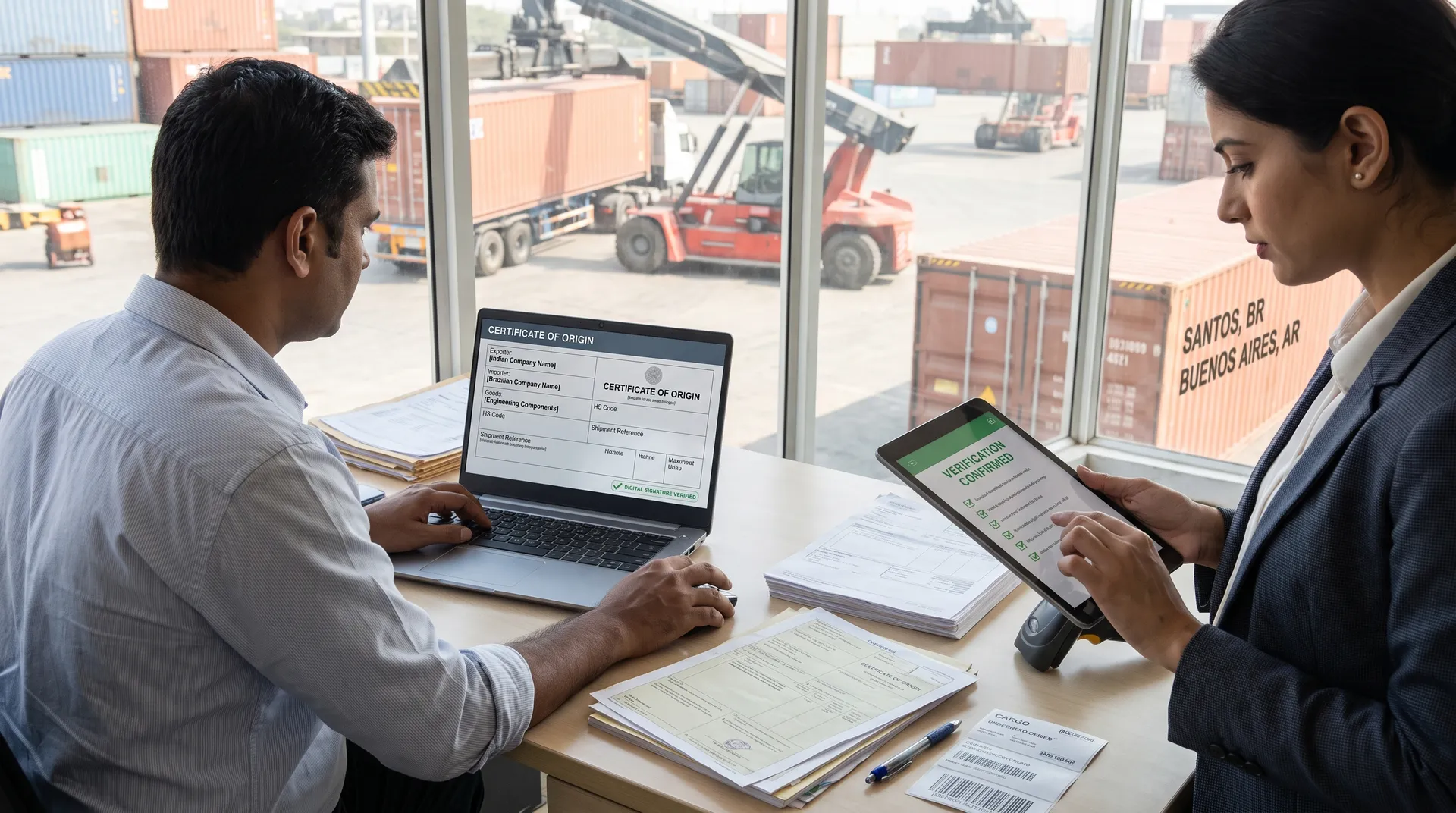
The decision to reallocate funds is related to the need to optimize existing support tools, as well as focus finances on the most significant areas. The ministry clarifies that these funds will be used to expand a number of measures, including logistics support, the resumption of product certification programs, preferential loans and financing of export initiatives.
Among the priorities of government support, assistance to industrial enterprises focused on the foreign market was mentioned, as well as strengthening their presence in Asia, Africa, Latin America and other key trade areas. Special attention is planned to be paid to technologically complex products, including machine-building products and electronic components, which contributes to the diversification of Russian exports.
Roman Chekushov, State Secretary and Deputy Head of the Ministry of Industry and Trade of the Russian Federation, noted that the redistribution and concentration of funds are aimed at strengthening the effectiveness of support.:
"In this regard, the focus of government support will be purposefully shifted to the most complex and significant projects — large, capital-intensive export initiatives, including the creation of infrastructure facilities abroad using Russian solutions and the supply of engineering products."
Foreign economic activity experts emphasize that the additional resources of the national project will allow businesses to plan export activities more confidently, especially in the face of unstable foreign economic conditions related to sanctions and changes in global trade chains. Financing logistics programs and product certification is especially important for companies seeking to strengthen their positions in distant markets and ensure compliance with international quality standards.
In addition, the expansion of concessional lending and transportation cost compensation programs should increase the accessibility of foreign trade operations for small and medium-sized businesses, which often face financial constraints when entering foreign markets. This includes supporting export shipments via long-range routes, where logistics costs are traditionally higher.
The planned financing in 2026 will also help strengthen transit links and integrate transport and logistics infrastructure, which is important for the export of industrial products to Asia and the Middle East. The combination of these measures is designed to create more favorable conditions for the development of non-primary exports and increase their contribution to the economic growth of the country.