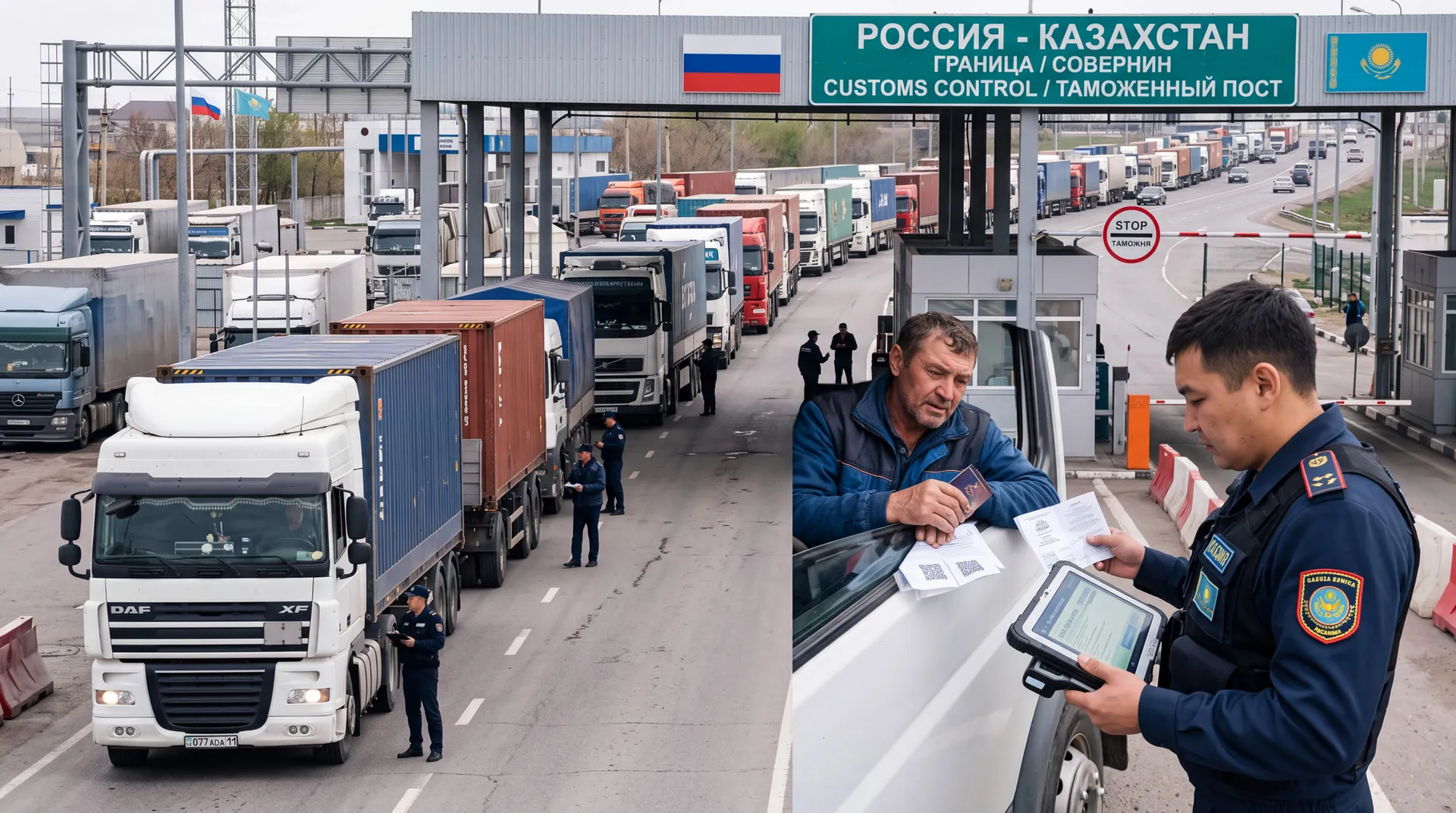






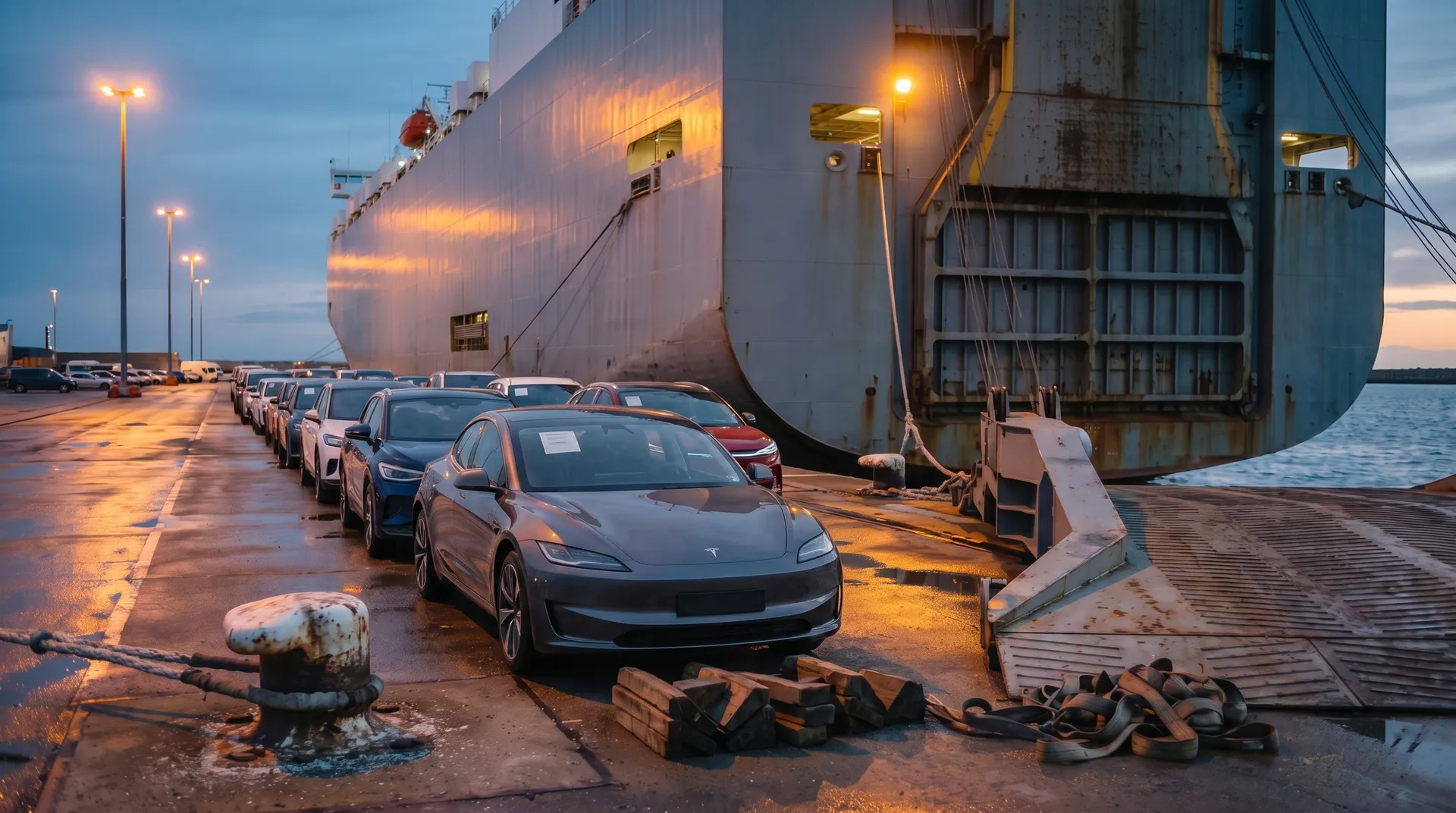
The South Korean Customs Service has transferred to the prosecutor's office the cases of four people accused of illegally exporting 1024 used cars worth 50.7 billion won — about 3.2 billion rubles at the current exchange rate. The scheme was based on a false declaration: the cars were registered as intended for countries bordering Russia, including Kazakhstan and Kyrgyzstan, but actually went to Russia and Belarus.
A separate element of the case concerns calculations. According to investigators, export revenue of 279.6 billion won — about 17.7 billion rubles — was received in the form of virtual assets. The funds were then transferred to domestic crypto wallets, sold on local exchanges, and converted into Korean won.
The scale of the phenomenon is wider than one episode. According to the Korean customs, in 2023-2025, more than 3.7 thousand sanctioned vehicles were exported to Russia, falsely declared as shipments to neighboring countries. Their total value is estimated at 179.6 billion won, about 11.3 billion rubles.
By this point, the Korean direction had already declined by itself. After the introduction of a protective recycling rate for cars with a capacity of over 160 hp, imports from South Korea collapsed: in the first half of 2026, 3.6 thousand new cars were imported to Russia — minus 45% by 2025, and 16.1 thousand with mileage — minus 61%. In July, imports of Korean cars fell by another half.
Estimates of the consequences vary among industry experts. Anton Shaparin, Vice President of the National Automobile Union, considers the tightening of controls to be more likely an imitation of the activities of customs officers. Auto blogger Elena Lisovskaya notes that there are no problems with the supply of cars with an engine capacity of up to two liters from Korea, but because of the exchange rate they are noticeably more expensive than Chinese ones.
For the importer, the practical conclusion concerns the structure of the transaction, not the specific country. The risk has shifted to the sender's side: the scheme may end in the country of export when the car has already been paid for. You will have to check not only your counterparty, but also the chain before it, and settlements through virtual assets are a separate risk area, where currency control issues are added to commercial losses.
Similar materials on the website
- Crypta in the foreign economic activity since September 1: three dates and one exception — how digital currency settlements on foreign trade transactions are now regulated