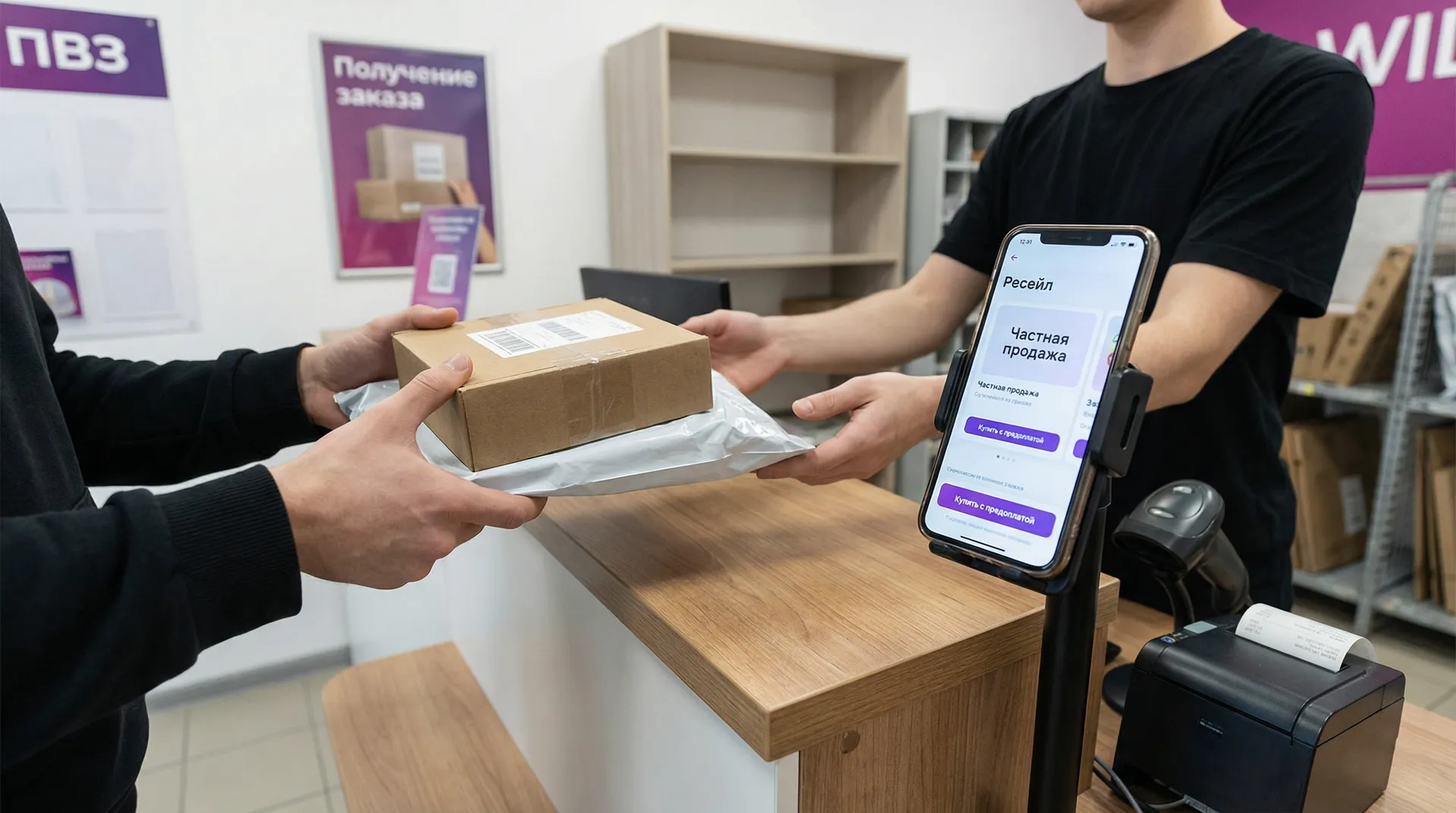
RWB (the combined company Wildberries & Russ) has expanded the C2C "Sale" service: now marketplace users can put up for sale not only items previously purchased on Wildberries, but also any goods, regardless of the place of purchase. The update is already available on the website and in the mobile application.
In fact, this is an attempt to occupy the niche of "private ads" within the marketplace ecosystem — but with a key difference from classic C2C platforms: Wildberries offers its execution infrastructure to sellers and buyers. The transaction takes place like a regular order: payment is made separately from other purchases and is only possible with a 100% prepayment, and receipt is made at the selected pick—up point. This is an important signal for the market: the platform relies on trust and manageability (prepayment + delivery via the PVZ), reducing the typical "did not arrive/did not send/disappeared" C2C risks.
The key quote reflects the strategy of "universalization" of the service:
"Previously, we launched the "Sale" of goods purchased on Wildberries in a test mode, but now the service is becoming a universal platform for resale. The expansion of capabilities enhances the ecosystem model of Wildberries and creates an additional scenario for user interaction with the platform. At the same time, nothing changes for customers: the process of searching, processing and receiving an order remains the same," said Tatiana Kim, head of RVB, founder of Wildberries.
What does this mean for logistics and the foreign economic activity ecosystem of marketplaces
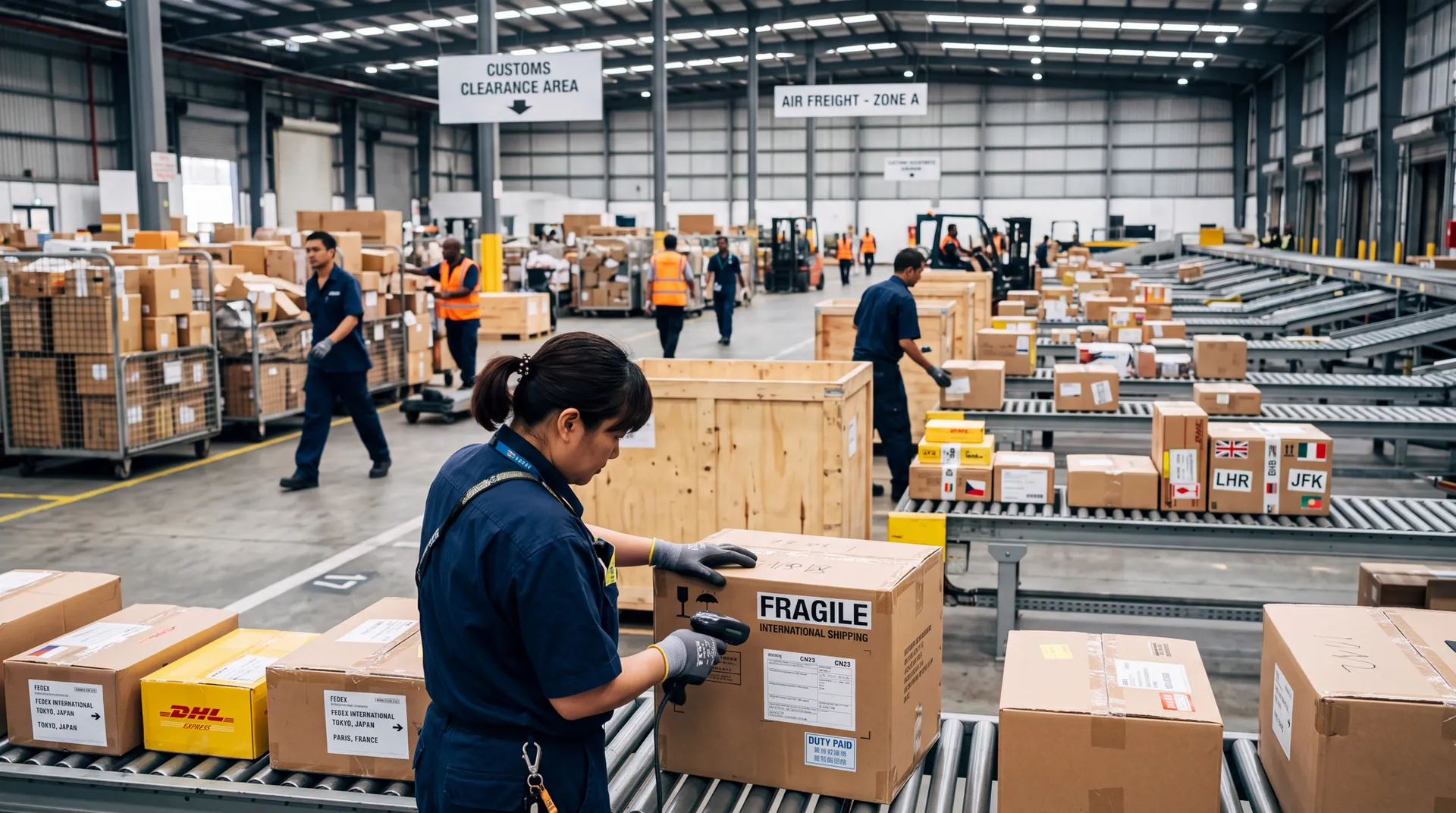
- New load on PVZ and sorting. C2C products are, as a rule, a more "diverse" nomenclature: non—standard packages, different sender's level of training, and a higher probability of re-shipment. This requires the delivery network and sorting centers to have stricter acceptance regulations and clear packaging requirements.
- The growth of return and “abnormal" flows. Private sales historically give rise to more controversial situations: "wrong condition", "wrong size", "expected something else". If the platform scales C2C, it will have to strengthen the rules of proof (photo fixation, statuses, deadlines) — otherwise, the costs of arbitration and reverse logistics will begin to eat into the economy of the service.
- Strengthening the retention ecosystem. For Wildberries, C2C is not only a commission, but also the frequency of visits: the user comes to "sell", at the same time buys "new". This enhances LTV without the direct cost of attracting traffic.
Restrictions are a marker of careful launch
The platform has left serious restrictions: bulky goods, machinery, jewelry, pharmaceuticals, food, plants, alcohol and 18+ products are not allowed for sale, and there is also a size limit of up to 60×40×40 cm. This is logical: these categories are more difficult to check for quality, the risk of fraud or regulatory problems is higher, and large size dramatically increases the cost of the last mile.
Bottom line: "Resale" is turning into a tool that can redistribute part of the C2C market inside the marketplace. If Wildberries maintains a balance between convenience and control (prepayment, restrictions, acceptance standards), the service will become another stable source of traffic and infrastructure utilization — but on condition that operational risks do not turn out to be more expensive than commissions.